
All for the Moral Majority!
1984
No user ratings available yet
Representation score: 4.2 out of 10
Representation Score
Limited
1972
Director
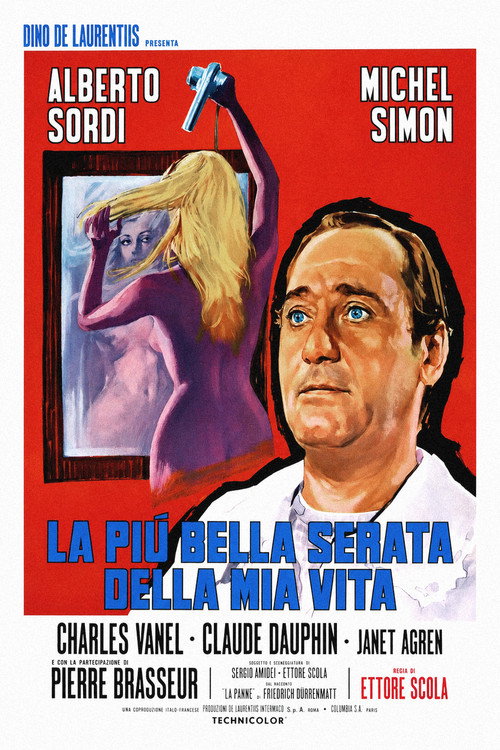
Ettore Scola
Runtime
106 minutes
Average Rating
No ratings yetNew Showbiz Analysis
Ettore Scola’s film is a period-specific character study that prioritizes the psychological complexities of the Italian bourgeoisie. While it uses satire to dismantle the archetype of the invincible patriarch, the narrative remains deeply traditional and male-centric. The film lacks structural diversity, offering little representation for underrepresented groups or non-binary gender perspectives. It functions as a critique of individual morality and class pretension rather than an exploration of systemic identity hierarchies. Ultimately, the work reflects the localized, homogeneous social landscape of 1970s Italian cinema, focusing on the internal crises of a successful businessman rather than perspectives that reflect multiple aspects of identity.
Category Breakdown
The film focuses almost exclusively on the heterosexual social anxieties of the male protagonist. It does not include any representation of LGBTQ+ identities or non-binary gender perspectives.
The narrative centers on the male experience and the challenges of aging masculinity. Female characters primarily serve as catalysts for the protagonist's crisis rather than having independent roles.
The cast is ethnically homogeneous, reflecting the localized social landscape of 1972 Italy. The film does not engage with racial diversity or utilize ethnic metaphors.
The film uses satire to critique the moral inconsistencies of the Italian middle class. It focuses on individual neuroses and the decay of social manners rather than radical polemics.
There is no significant depiction of physical, sensory, or neurodivergent disabilities. Character struggles are strictly psychological and social in nature.
Present on Screen
Limited or Absent
Official Synopsis
A successful businessman's destiny leads him to a secluded Swiss chalet where his life is put on trial by a group of retired law professionals. The men assemble to analyse his rise to power and his increasingly immoral behavior as he attained success, and the warped perceptions of right and wrong he has adopted to remain successful.
1984
1970
1985
1972
1971

1963
1970
1992
No reviews yet. Be the first to share your thoughts on this movie!
Use the rating form above to leave a star rating and optional review.