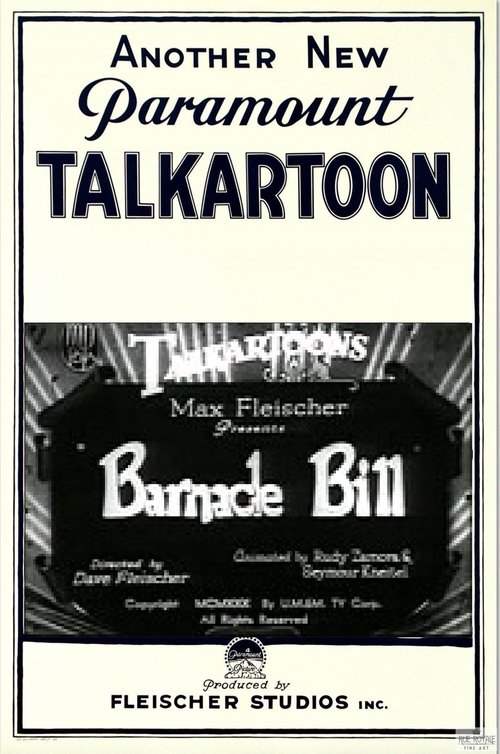
Barnacle Bill
1930
No user ratings available yet
Representation score: 1.4 out of 10
Representation Score
Minimal
1932
Director
Dave Fleischer
Runtime
7 minutes
Average Rating
No ratings yetNew Showbiz Analysis
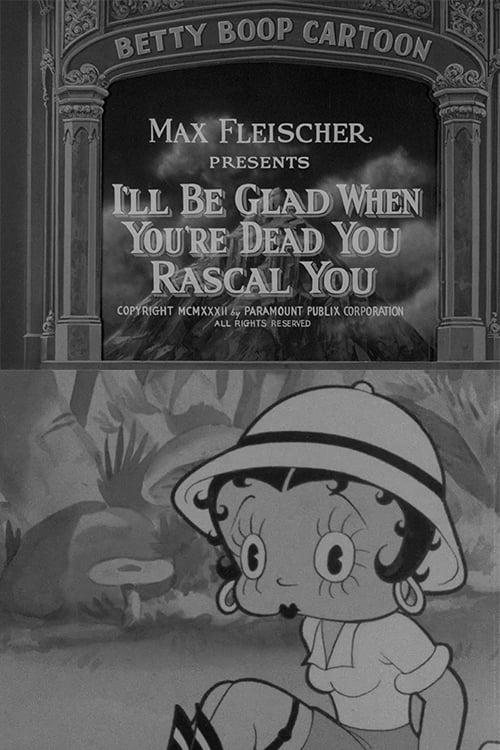
This 1932 short is a quintessential product of its time, reflecting the social hierarchies and aesthetic standards of the pre-war period. While it includes moments of musical integration, the narrative structure remains deeply conventional. The film's strengths lie in Betty Boop's strong screen presence and the inclusion of prominent Black performers. However, these elements are often limited by the era's reliance on specific clichés and traditional gendered interactions. Ultimately, the work reinforces the status quo of the 1930s rather than challenging it, serving more as a period-specific comedic diversion than a diverse narrative.
Category Breakdown
The film does not include any LGBTQ+ characters or themes. The interpersonal dynamics are strictly heterosexual, following the romantic pursuit clichés typical of the flapper era.
Betty Boop has a strong presence and plays a significant role during musical sequences. However, the narrative often positions her as the object of male attention within traditional power dynamics.
The inclusion of Louis Armstrong provides musical integration for the period. However, the jungle safari setting uses common clichés to depict exotic locales.
The film serves as a standard comedic diversion that upholds 1930s social norms. It does not deconstruct Western institutions or critique systemic issues of authority.
There are no depictions of physical, sensory, or neurodivergent identities. Characters are portrayed through an idealized, exaggerated animation style.
Present on Screen
Limited or Absent
Official Synopsis
Betty Boop and friends meet Louis Armstrong on a jungle safari.
1930
1932
1932
1939
1932
1932
1931
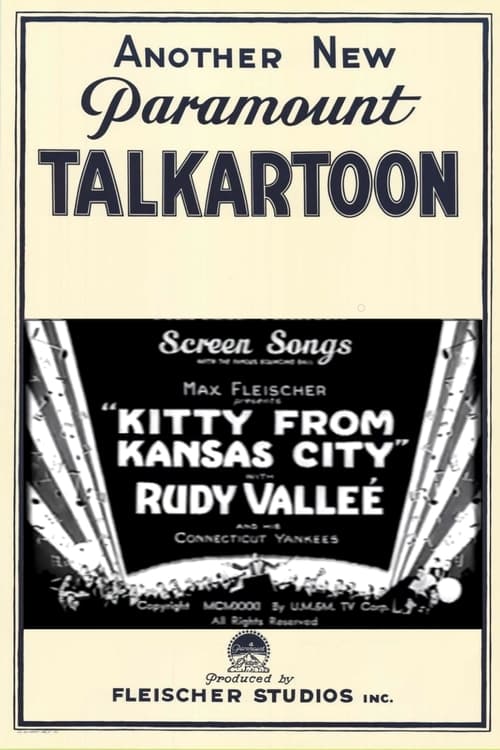
1931
No reviews yet. Be the first to share your thoughts on this movie!
Use the rating form above to leave a star rating and optional review.