
Let's Sing with Popeye
1934
No user ratings available yet
Representation score: 0.7 out of 10
Representation Score
Minimal
1930
Director
Dave Fleischer
Runtime
6 minutes
Average Rating
No ratings yetNew Showbiz Analysis
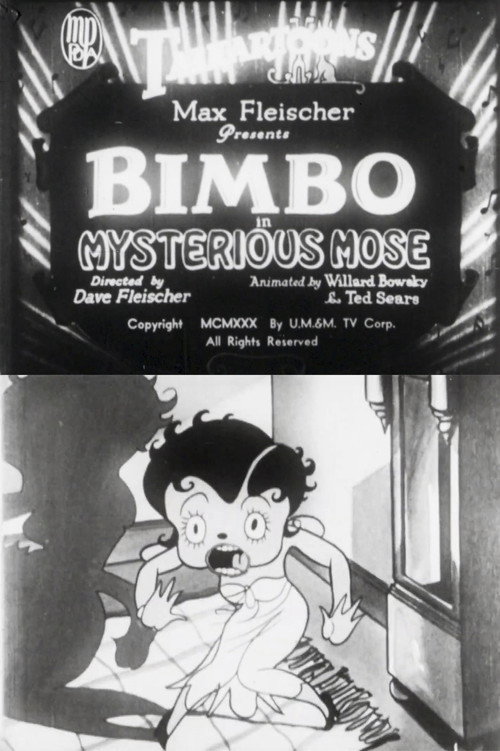
Mysterious Mose is a foundational piece of early sound animation that prioritizes surrealist, slapstick comedy over social commentary. While the 'rubber hose' animation style offers stylistic innovation, the narrative remains tethered to the era's traditional demographic and social norms. The film operates as a genre parody of the American Old West, lacking intentionality regarding progressive social restructuring or the deconstruction of power dynamics.
Category Breakdown
The film does not depict any LGBTQ+ identities. The character dynamics revolve around the traditional comedic pairing of Betty Boop and Bimbo.
Betty Boop navigates the world with whimsy, but she primarily serves as a musical catalyst. The film adheres to early 20th-century gender roles.
The setting remains largely homogeneous, following the standard demographic composition of early American animation. There is no significant racial blending.
The narrative uses traditional American Western myths without critique. It functions as a standard genre piece rather than a challenge to cultural hierarchies.
There is no evidence of characters with visible or invisible disabilities being used as central plot devices or subjects of mockery.
Present on Screen
Limited or Absent
Official Synopsis
Betty Boop (with dog's ears) can't sleep on a scary night, so she sings the title song and meets the gentleman in question...a surreal version of Bimbo.
1934

1932
1942

1935
1930
1932
1934
1932
No reviews yet. Be the first to share your thoughts on this movie!
Use the rating form above to leave a star rating and optional review.