It's Got Me Again!
1932
No user ratings available yet
Diversity score: 2.5 out of 10
1932
TV-Y7Director
Rudolf Ising
Runtime
7 minutes
Average Rating
No ratings yetSynopsis
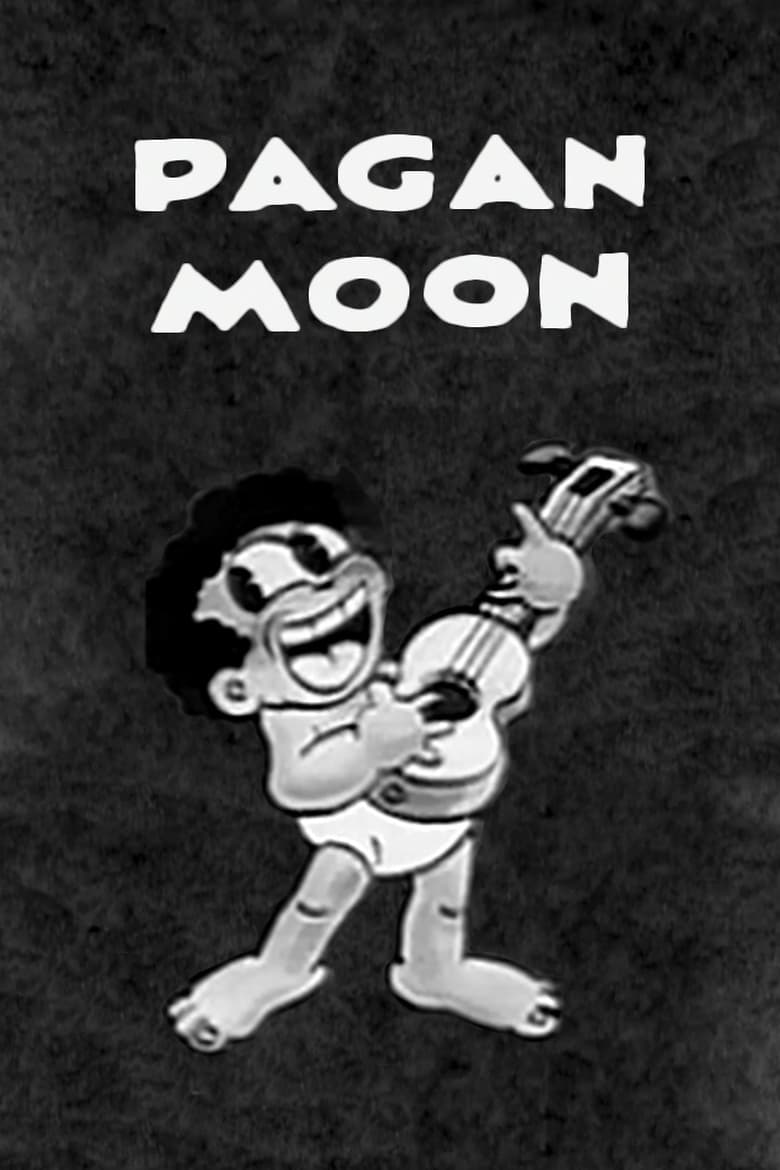
On a tropical island, a native boy sings "Pagan Moon" to his sweetheart. Later, he plays music underwater with an octopus-pianist and other jazz-loving sea life.
Overall Score
Limited
Category Breakdown
LGBTQ+ Representation
The film follows a traditional heteronormative romantic framework. A native boy sings to his sweetheart, offering no evidence of non-cisnormative identities.
Gender Representation
The narrative centers on a male protagonist driving the musical performance. The female sweetheart is framed primarily as a recipient of his affection.
Racial & Ethnic Diversity
The tropical island setting and native characters lean toward the exoticized island tropes prevalent in early 20th-century animation. It lacks nuanced character agency.
Religious & Cultural Diversity
The setting serves as a decorative backdrop for musical escapism. While jazz is featured, the film does not engage with deeper cultural critiques.
Disability Representation
There is no evidence of characters with physical, sensory, or neurodivergent traits within the narrative.
Strengths
Areas for Improvement
AI Analysis
Pagan Moon is a musical animation that relies on the rhythmic escapism typical of the early 1930s. The story uses a tropical setting and anthropomorphic sea life to facilitate a jazz-infused musical sequence. While the film moves away from rigid classical structures through its use of jazz, it remains tethered to the era's conventional depictions of non-Western locales. The character dynamics follow standard romantic tropes of the period. Ultimately, the short functions as a character-driven vignette rather than a work of social subversion. It lacks intersectional complexity, favoring decorative settings over meaningful cultural representation.
1932
1931
1934
1932
1932
1933
1931
1933
1933
1932
No reviews yet. Be the first to share your thoughts on this movie!
Use the rating form above to leave a star rating and optional review.