
A Car-Tune Portrait
1937
No user ratings available yet
Diversity score: 1.4 out of 10
1933
Director
Dave Fleischer
Runtime
10 minutes
Average Rating
No ratings yetSynopsis
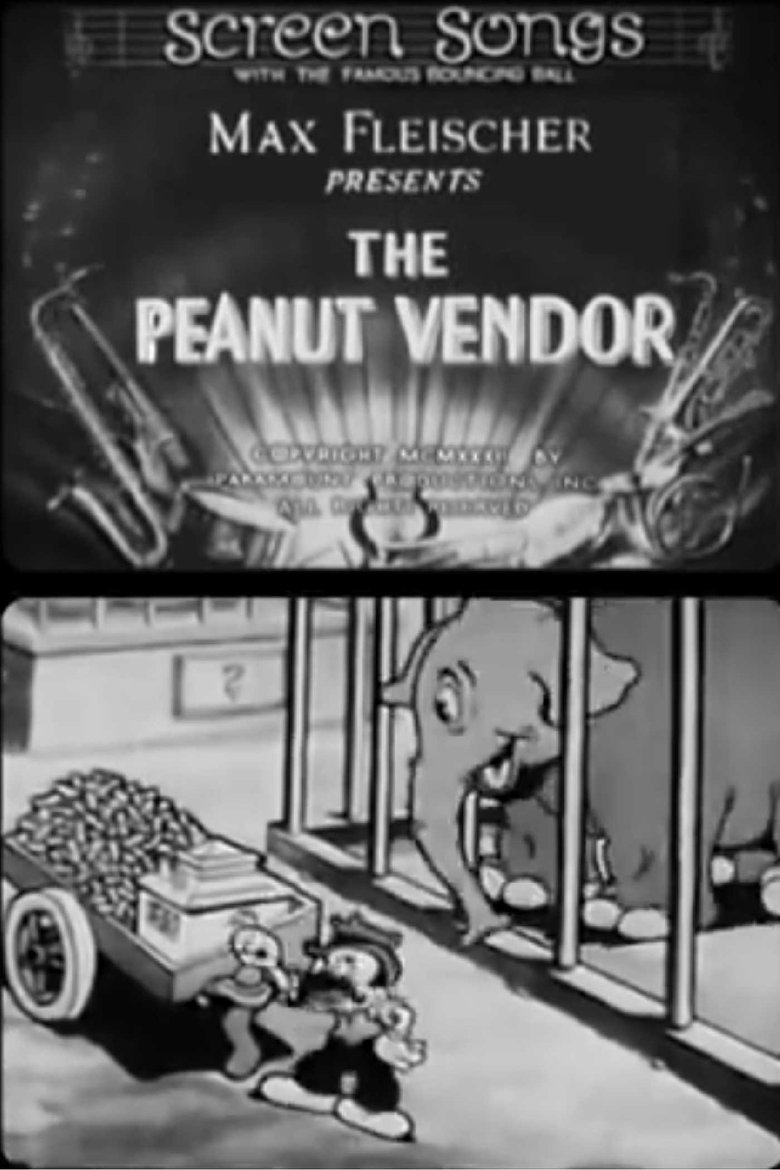
A man tries to sell peanuts at the Zoo but is harassed by an elephant and various animals, so asks a singer for help (Note: not to be confused with the stop motion short of the same name)
Overall Score
Limited
Category Breakdown
LGBTQ+ Representation
The film lacks any indication of LGBTQ+ characters or non-cisnormative identities. The narrative focuses strictly on a male protagonist and animal antagonists.
Gender Representation
A male vendor drives the central conflict, while a female singer serves a functional role to resolve the plot. The story lacks deep exploration of gendered agency.
Racial & Ethnic Diversity
There is no documented evidence of diverse casting or intersectional depth. The film does not explicitly confirm the presence of diverse characters or specific racial tropes.
Religious & Cultural Diversity
The story follows a standard slapstick arc common to the 1930s. It offers no critique of Western institutions or specific cultural perspectives.
Disability Representation
The film contains no visible or invisible disability representation. There is no evidence of neurodivergent characters within the narrative.
Strengths
Areas for Improvement
AI Analysis
The Peanut Vendor is a traditional musical animation that prioritizes slapstick comedy and situational conflict over social depth. The narrative structure relies on a standard protagonist-antagonist dynamic between a man and zoo animals. Because the film focuses on a singular male vendor's struggle against environmental pressures, it lacks intersectional complexity. The characters function primarily to drive the musical and comedic elements of the short. Ultimately, the work reflects the conventional storytelling tropes of the early 20th century, offering little in the way of diverse representation or the deconstruction of social norms.
1937

1946
1936
1931

1937
1932
1931
1932
1935
1933
1931
1933
No reviews yet. Be the first to share your thoughts on this movie!
Use the rating form above to leave a star rating and optional review.