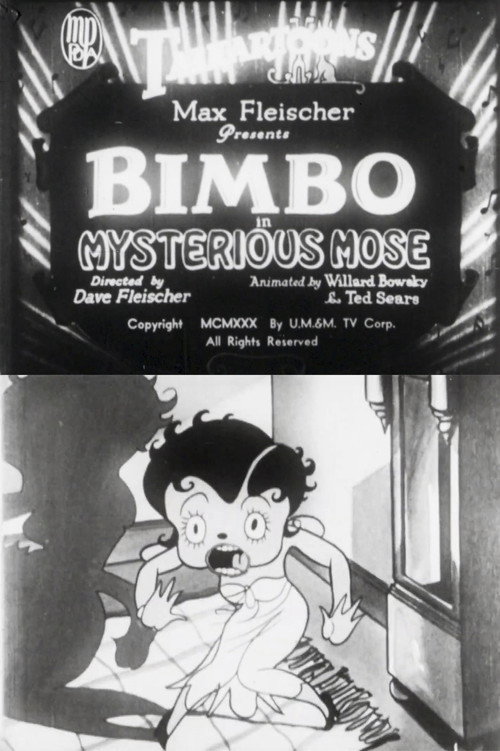
Mysterious Mose
1930
No user ratings available yet
Representation score: 0.8 out of 10
Representation Score
Limited
1932
PassedDirector
Dave Fleischer
Runtime
8 minutes
Average Rating
No ratings yetNew Showbiz Analysis
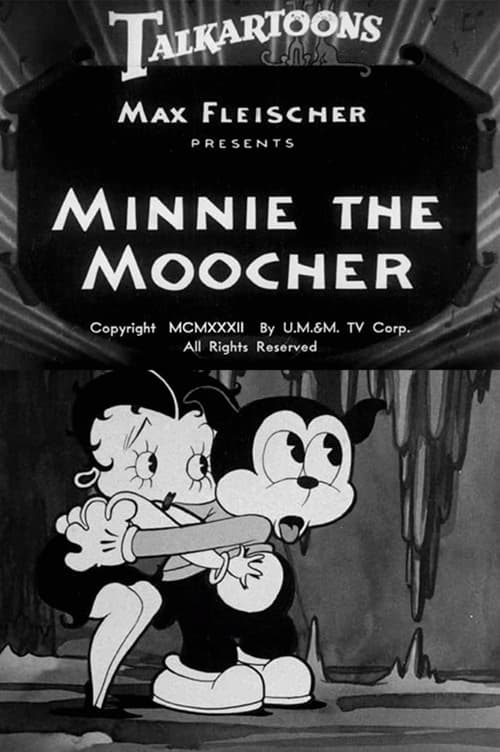
Minnie the Moocher stands as a unique cultural artifact that diverges from the pastoral themes of its time. By centering the rhythmic subculture of the Jazz Age, the film integrates Black musicality into a mainstream animated format, adding layers of cultural complexity often missing from early 1930s media. However, the film remains constrained by the limitations of its era. It lacks any representation of LGBTQ+ identities or specific depictions of disability, and the character dynamics are driven more by surreal movement than deep social exploration. Ultimately, the work's strength lies in its rejection of rigid, moralistic storytelling in favor of a stylized, urban, and bohemian atmosphere.
Category Breakdown
There are no visible LGBTQ+ identities in the short, focusing solely on the rhythmic and musical elements of the composition.
Minnie plays a central role and drives the narrative within the musical landscape. The animation emphasizes rhythmic movement over complex interpersonal interactions.
The film is a significant artifact of the Jazz Age, deeply rooted in African American musical traditions. It highlights Black musicality through the performance style of Cab Calloway.
The setting is secular and urban, emphasizing a visceral, rhythmic experience over traditional moralizing. It embraces a bohemian, nightlife-oriented atmosphere rather than domestic life.
There are no specific depictions of physical or neurodivergent disabilities in the narrative.
Present on Screen
Limited or Absent
Official Synopsis
Betty Boop and Bimbo run away from home, but that night they are scared by a chorus of ghosts singing the title song.
1930
1931
1930
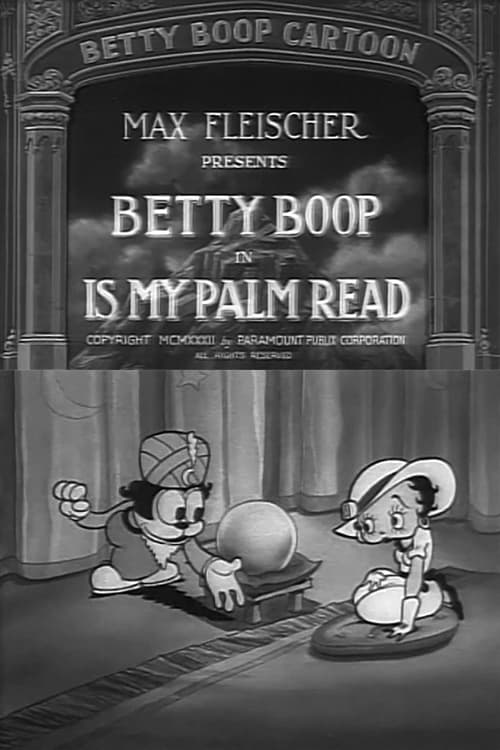
1933
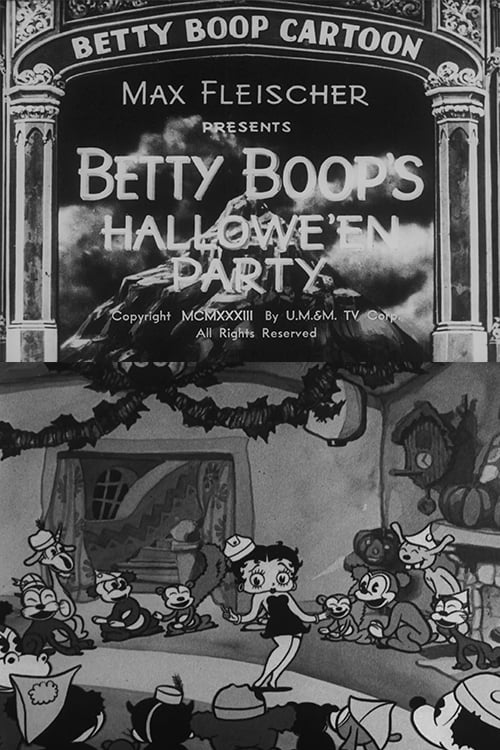
1933
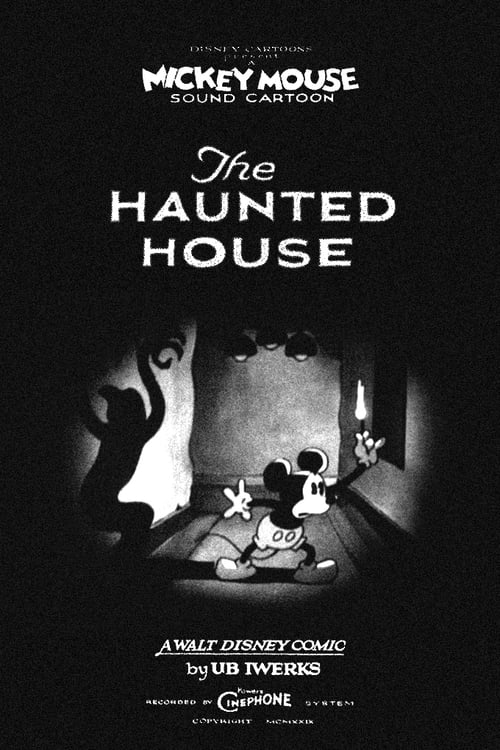
1929
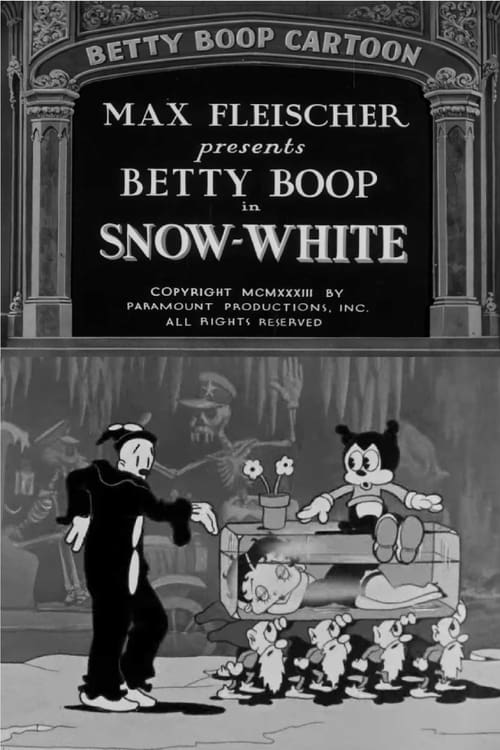
1933

1931
No reviews yet. Be the first to share your thoughts on this movie!
Use the rating form above to leave a star rating and optional review.