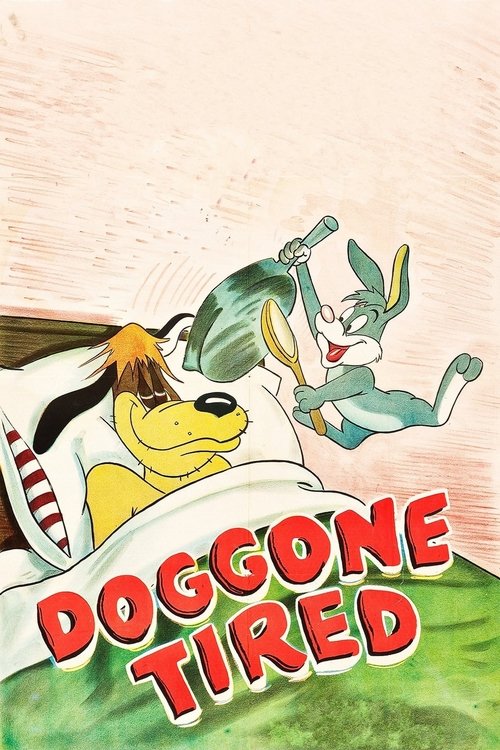
Doggone Tired
1949
No user ratings available yet
Representation score: 0.5 out of 10
Representation Score
Minimal
1948
ApprovedDirector
Tex Avery
Runtime
7 minutes
Average Rating
No ratings yetNew Showbiz Analysis
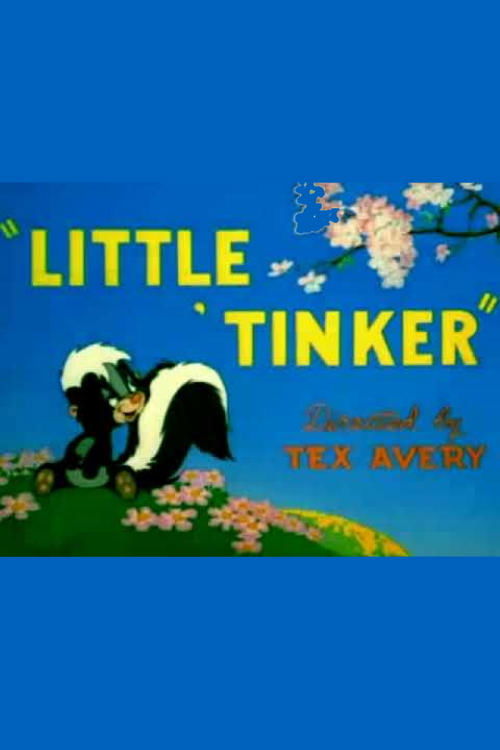
Little 'Tinker is a quintessential product of its era, prioritizing slapstick comedy over representational depth. The narrative relies on established mid-century animation clichés that favor a homogeneous cast and traditional social hierarchies. While the film successfully executes its comedic goals through the subversion of discipline, it offers no meaningful engagement with diverse identities. The characters function as archetypes rather than nuanced individuals, reflecting the production constraints of 1948. Ultimately, the short lacks the intentionality required to disrupt the era's demographic norms, serving instead as a standard period piece of animation.
Category Breakdown
The film does not depict any LGBTQ+ identities. The character dynamics revolve around traditional archetypes of mischief and pursuit.
The narrative lacks nuanced gendered perspectives and women's ability to drive the story. It relies on traditional comedic clichés centered on the conflict between children and authority figures.
The cast is homogeneous and lacks diversity. It uses standard 1940s cartoon archetypes without any representation of different races or ethnicities.
Humor is derived from a child's disregard for social order and adult rules. It celebrates anti-social mischief without offering any systemic critiques.
No characters with visible or invisible disabilities appear in the story. The cast consists of idealized, high-energy archetypes.
Present on Screen
Limited or Absent
Official Synopsis
The lovesick B.O. Skunk is having no luck finding a mate, when Cupid gives him a book called "Advice for the Love-Worn" to help him out.
1949
1952

1950
1954
1951
1937
1953
1941
No reviews yet. Be the first to share your thoughts on this movie!
Use the rating form above to leave a star rating and optional review.