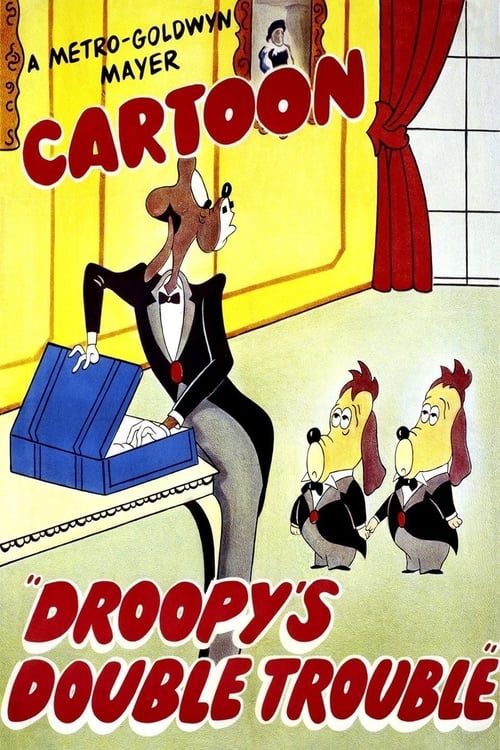
Droopy's Double Trouble
1951
No user ratings available yet
Diversity score: 2.1 out of 10
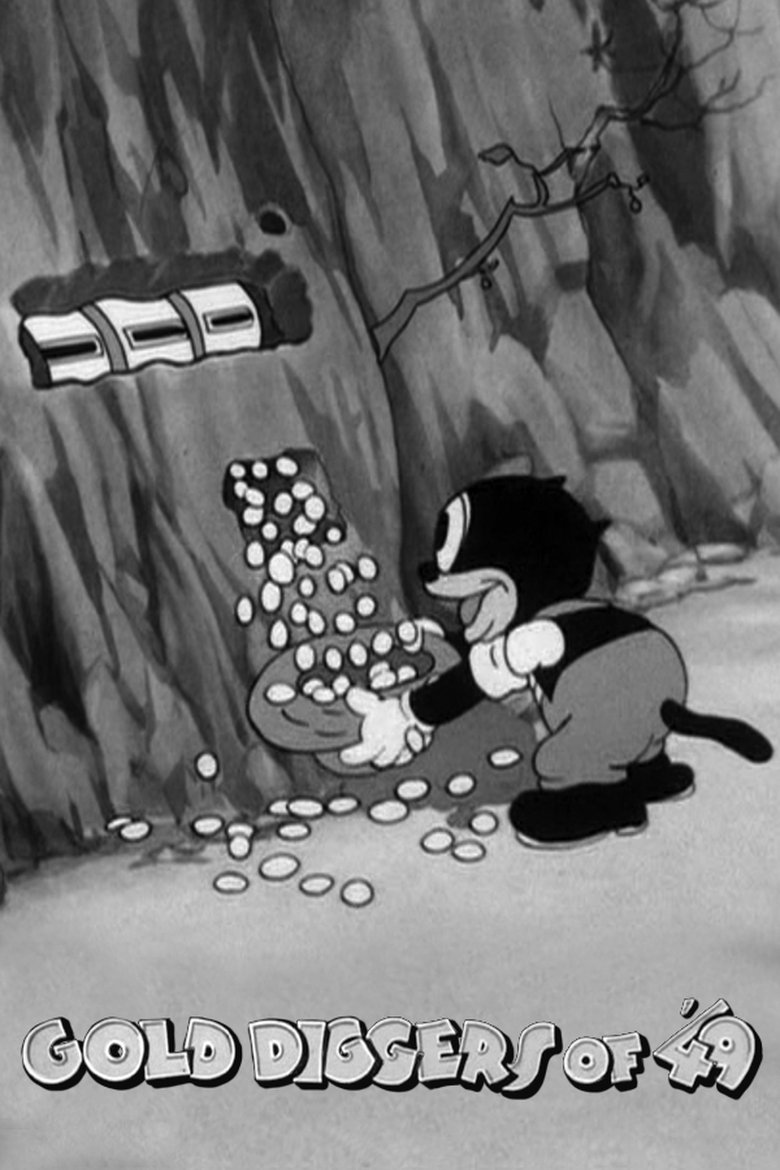
1935
Director
Tex Avery
Runtime
8 minutes
Average Rating
No ratings yetSynopsis
Porky and Beans are prospectors during the Gold Rush, but when a villain steals Porky's bag of loot Beans races to get it back so he can marry Porky's daughter Little Kitty.
Overall Score
Limited
Category Breakdown
LGBTQ+ Representation
The film lacks LGBTQ+ characters or non-heteronormative identities. The romantic plot follows a traditional structure centered on Little Kitty.
Gender Representation
Female characters act as primary plot drivers rather than passive figures. By utilizing the gold digger trope, women are depicted as aggressive seekers of wealth and agency.
Racial & Ethnic Diversity
The cast functions within a homogeneous framework typical of 1930s studio productions. There is no evidence of racial blending or ethnic complexity among the prospectors.
Religious & Cultural Diversity
The story uses the Gold Rush setting as a backdrop for slapstick. It reinforces the pursuit of wealth without offering systemic or anti-capitalist commentary.
Disability Representation
No visible or invisible disabilities are depicted. Characters are presented as able-bodied archetypes designed for physical comedy and slapstick.
Strengths
Areas for Improvement
AI Analysis
Tex Avery’s short offers a fascinating glimpse into early animation through its subversion of gender roles. While the era's constraints are highly visible, the film manages to flip the traditional provider dynamic by making women the active economic agents in the narrative. However, the work remains deeply rooted in the era's limitations. It lacks any meaningful racial, cultural, or LGBTQ+ complexity, relying instead on homogeneous archetypes and standard heteronormative romantic arcs. Ultimately, the film is a study in contradictions. It provides a progressive challenge to domestic archetypes through its female characters while remaining tethered to the exclusionary social frameworks of the 1930s.
1951
1948
1952
1938
1936
1949
1954
1937
1954
1960

1955
1947
No reviews yet. Be the first to share your thoughts on this movie!
Use the rating form above to leave a star rating and optional review.