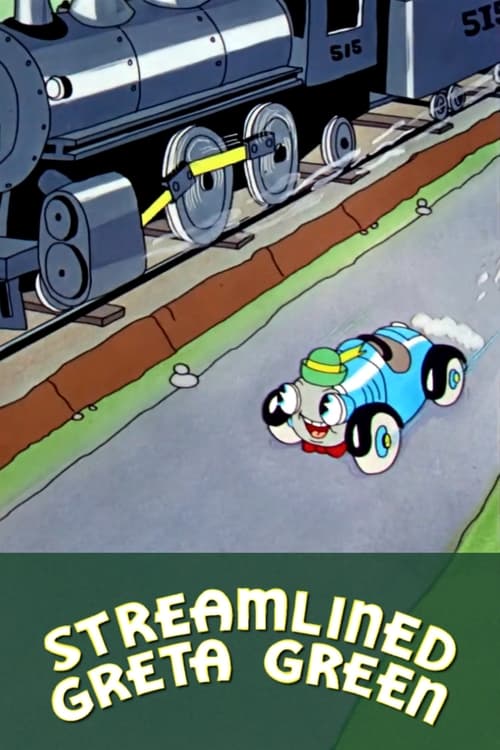
Streamlined Greta Green
1937
No user ratings available yet
Representation score: 1.1 out of 10
Representation Score
Minimal
1952
NRDirector
Tex Avery
Runtime
8 minutes
Average Rating
No ratings yetNew Showbiz Analysis
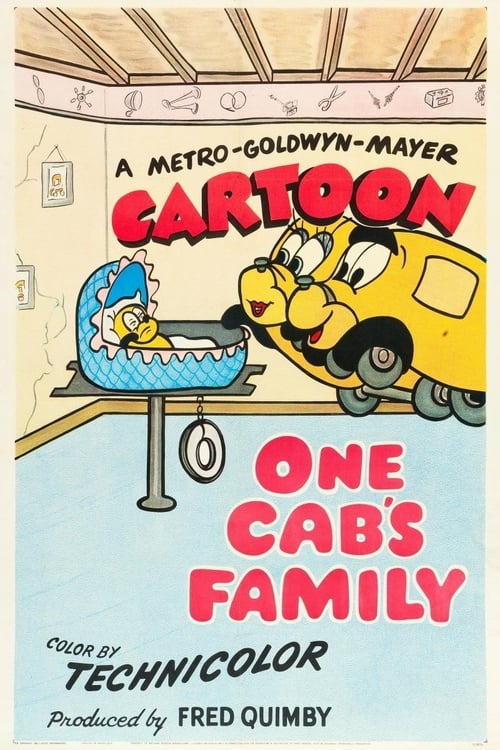
Tex Avery’s short film uses anthropomorphic vehicles to explore a generational conflict between traditionalist parents and a rebellious son. The surrealist animation style provides visual disruption, but the narrative remains anchored in the conservative social norms of the early 1950s. The film focuses on the generational conflict and the traditional family structure, using the tension between conformity and rebellion to drive the plot. Since the characters are inanimate objects, the film does not feature human demographic diversity, concentrating instead on the mechanical and occupational identities of the taxicabs.
Category Breakdown
The film portrays a happily married couple of taxicabs within a typical heterosexual marriage structure from the 1950s. There are no characters with non-traditional gender identities.
The story centers around a traditional family setup where parental figures hold authority. The narrative emphasizes mid-century family roles without challenging gender norms.
Since the characters are anthropomorphic vehicles, there are no explicit representations of racial or ethnic backgrounds. The focus is solely on their mechanical and occupational roles.
The plot examines the tension between traditional family values and individualistic rebellion, emphasizing social cohesion and the preservation of established institutions.
There is no depiction of neurodivergence, physical disabilities, or sensory impairments. The character descriptions do not include any such traits.
Present on Screen
Limited or Absent
Official Synopsis
A happily married pair of taxicabs are delighted when Junior enters their lives, but this delight turns to consternation when he states his ambition to become a hotrodder..
1937
1937
1954
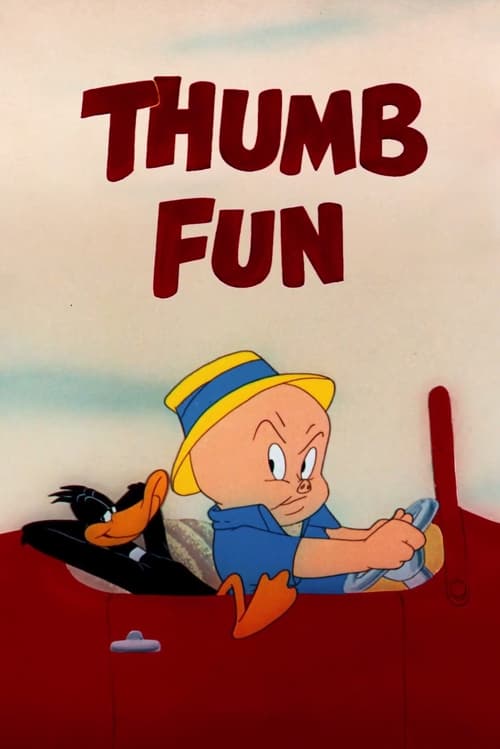
1952
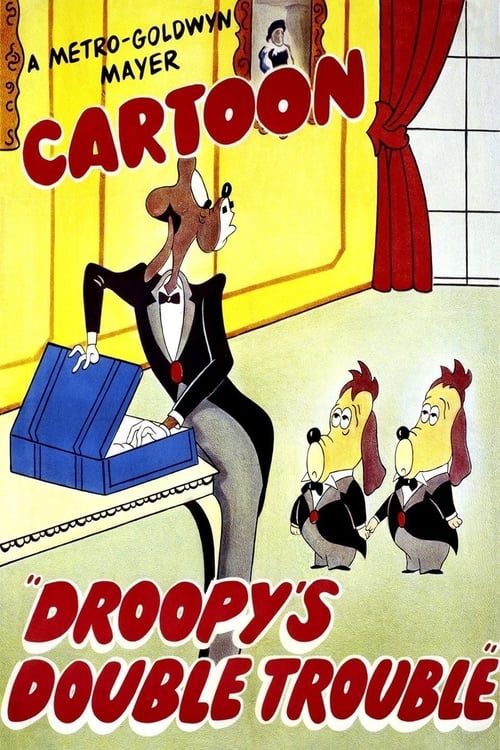
1951

1950
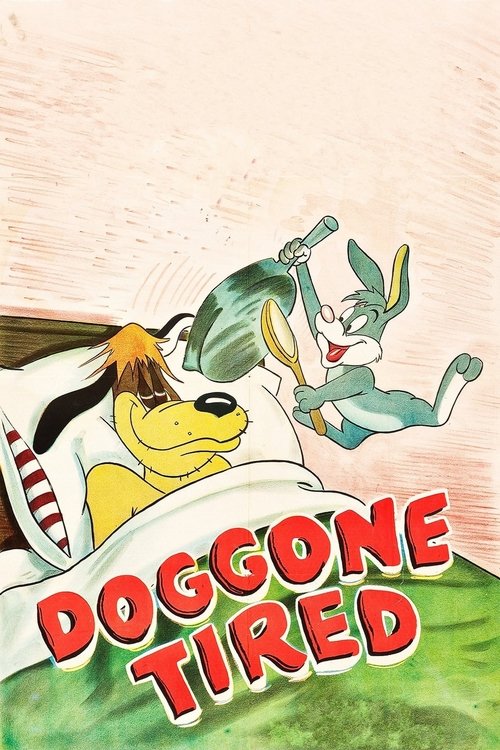
1949
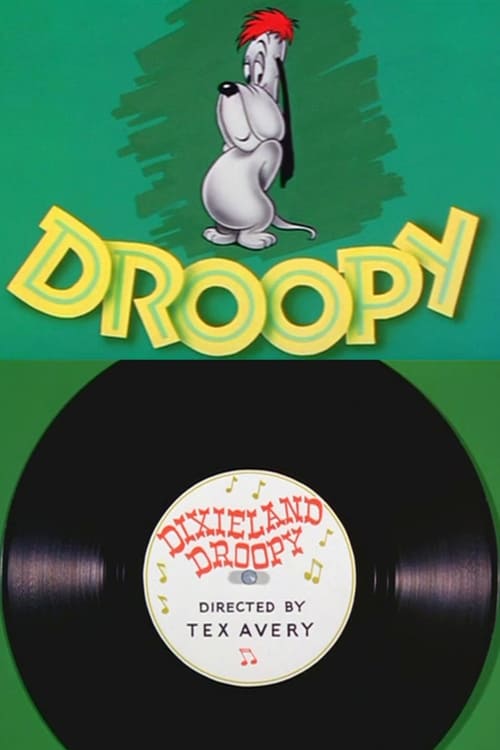
1954
No reviews yet. Be the first to share your thoughts on this movie!
Use the rating form above to leave a star rating and optional review.