Page Miss Glory
1936
No user ratings available yet
Diversity score: 2.2 out of 10
1950
NRDirector
Tex Avery
Runtime
7 minutes
Average Rating
No ratings yetSynopsis
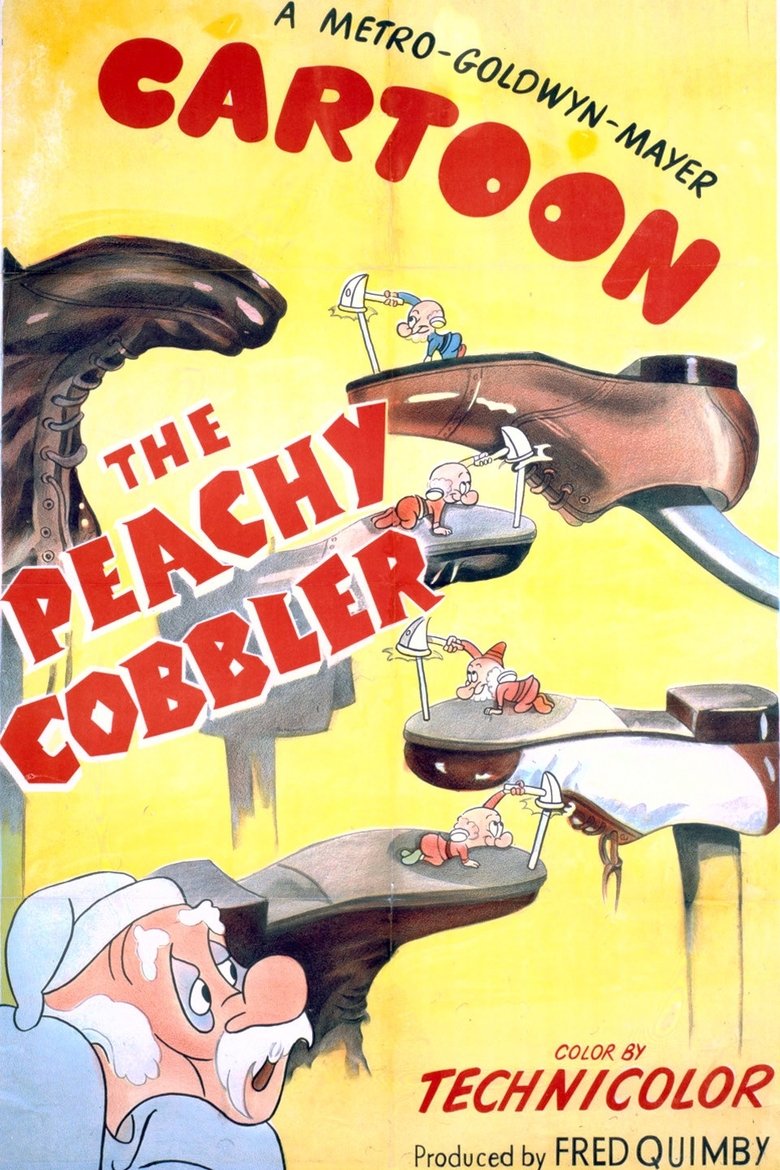
A poor cobbler feeds his last crust of bread to some birds that are really elves, who show their gratitude by finishing all his work while he sleeps.
Overall Score
Limited
Category Breakdown
LGBTQ+ Representation
The film lacks LGBTQ+ characters or narratives addressing non-cisnormative identities. It follows a traditional folk-tale structure centered on a cobbler and magical entities.
Gender Representation
The story focuses on a male protagonist performing traditional labor. There is no evidence of female characters with significant agency or a subversion of mid-century gender hierarchies.
Racial & Ethnic Diversity
The narrative relies on a homogeneous, Eurocentric fairy-tale framework. There is no indication of a diverse or multi-ethnic cast within this localized setting.
Religious & Cultural Diversity
The film utilizes a classic 'charity rewarded' trope to reinforce traditional virtue. It resolves economic hardship through supernatural intervention rather than critiquing systemic poverty.
Disability Representation
There is no evidence of characters with physical or neurodivergent disabilities. The focus remains on the interaction between the cobbler and the elves.
Strengths
Areas for Improvement
AI Analysis
The Peachy Cobbler functions as a standard mid-century fable, prioritizing moral simplicity and folkloric archetypes. Its narrative architecture relies on established tropes of the era rather than intersectional complexity. The film's lack of diversity is characteristic of 1950s animation, favoring a homogeneous, Eurocentric worldview. It presents a traditional, solitary male figure within a conventional moral framework. While the surrealism of Tex Avery provides stylistic energy, the social landscape remains narrow, offering little disruption to established social hierarchies or gender roles.
1936
1940
1954

1953
1951
1943
1952
1948
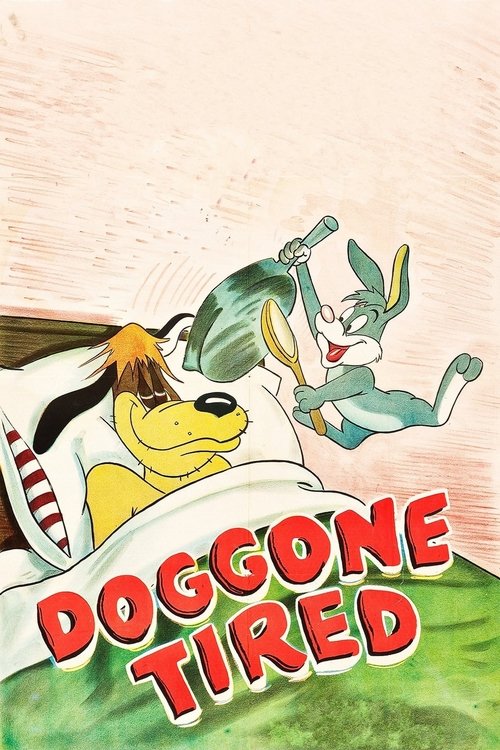
1949
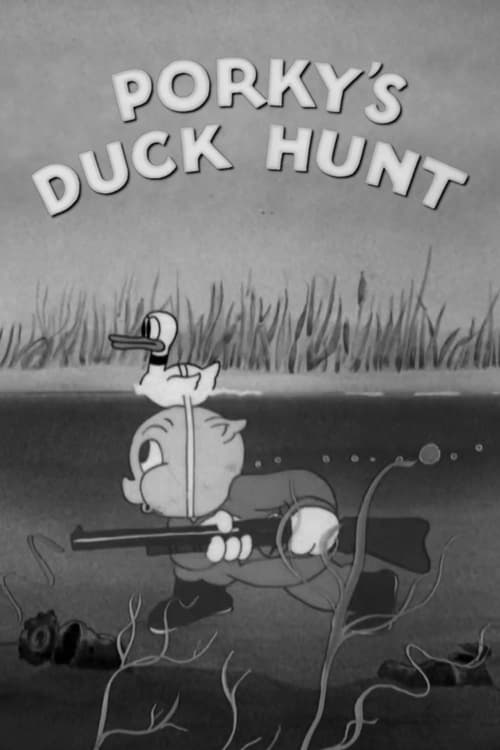
1937
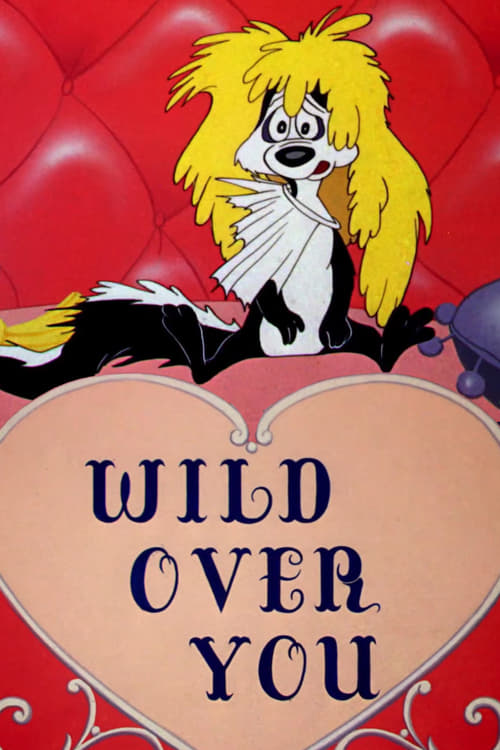
1953

1955
No reviews yet. Be the first to share your thoughts on this movie!
Use the rating form above to leave a star rating and optional review.