The Homeless Flea
1940
No user ratings available yet
Representation score: 0.3 out of 10
Representation Score
Minimal
1954
NRDirector
Tex Avery
Runtime
7 minutes
Average Rating
No ratings yetNew Showbiz Analysis
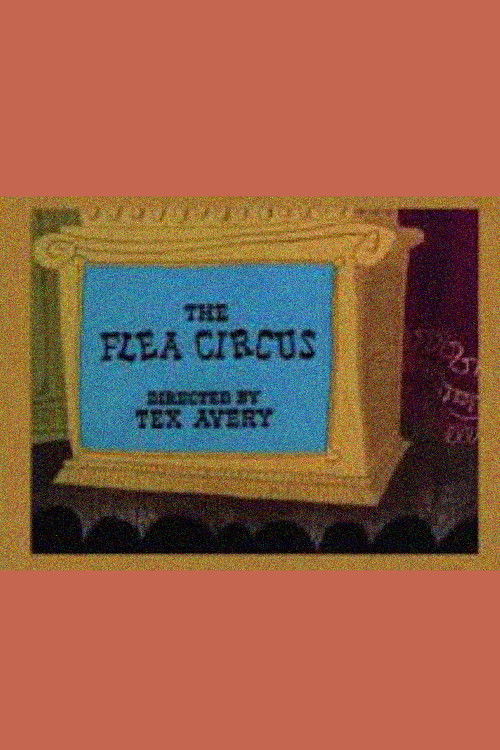
Tex Avery’s 1954 short is a product of its time, prioritizing kinetic slapstick over social commentary. The narrative relies on situational comedy involving a flea circus and a dog, avoiding complex identity frameworks. Since the cast consists of animals, the film sidesteps human racial and ethnic dynamics. This absence of human characters results in a narrative lacking intentional diverse representation. The work follows traditional mid-century formulas, focusing on physical energy rather than the subversion of systemic power or social structures. It remains a genre-standard piece of animation.
Category Breakdown
The film does not depict any LGBTQ+ identities. The narrative centers on a humorous animal cast.
The film likely adheres to traditional gender roles common in the 1950s. It maintains conventional hierarchies without challenging these roles.
Using animal characters removes human racial dynamics from the story. There is no indication of intentional diverse representation or ability to act.
The short operates within a mid-century Western entertainment framework. It prioritizes situational humor over the deconstruction of cultural institutions.
No characters with visible or invisible disabilities are shown who play a significant role in driving the story. The focus remains on the circus troupe's actions.
Present on Screen
Limited or Absent
Official Synopsis
In this animated comedic short, the entire entourage of a flea circus runs away to join a dog.
1940
1954
1941
1949

1950
1952
1969
1937
No reviews yet. Be the first to share your thoughts on this movie!
Use the rating form above to leave a star rating and optional review.