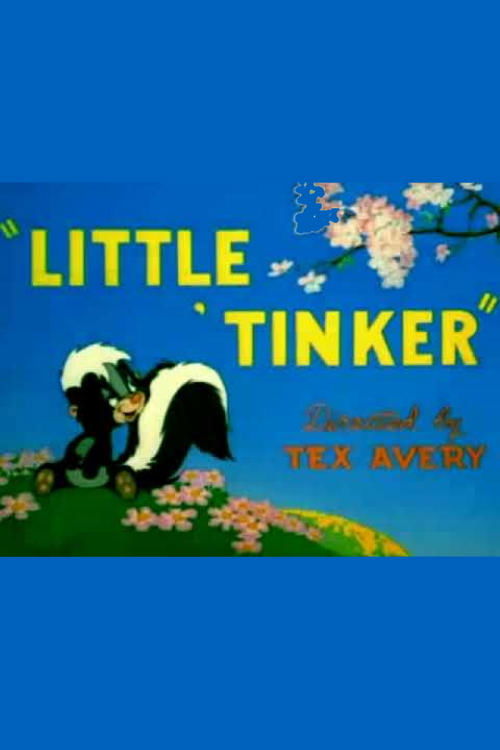
Little 'Tinker
1948
No user ratings available yet
Diversity score: 2.0 out of 10
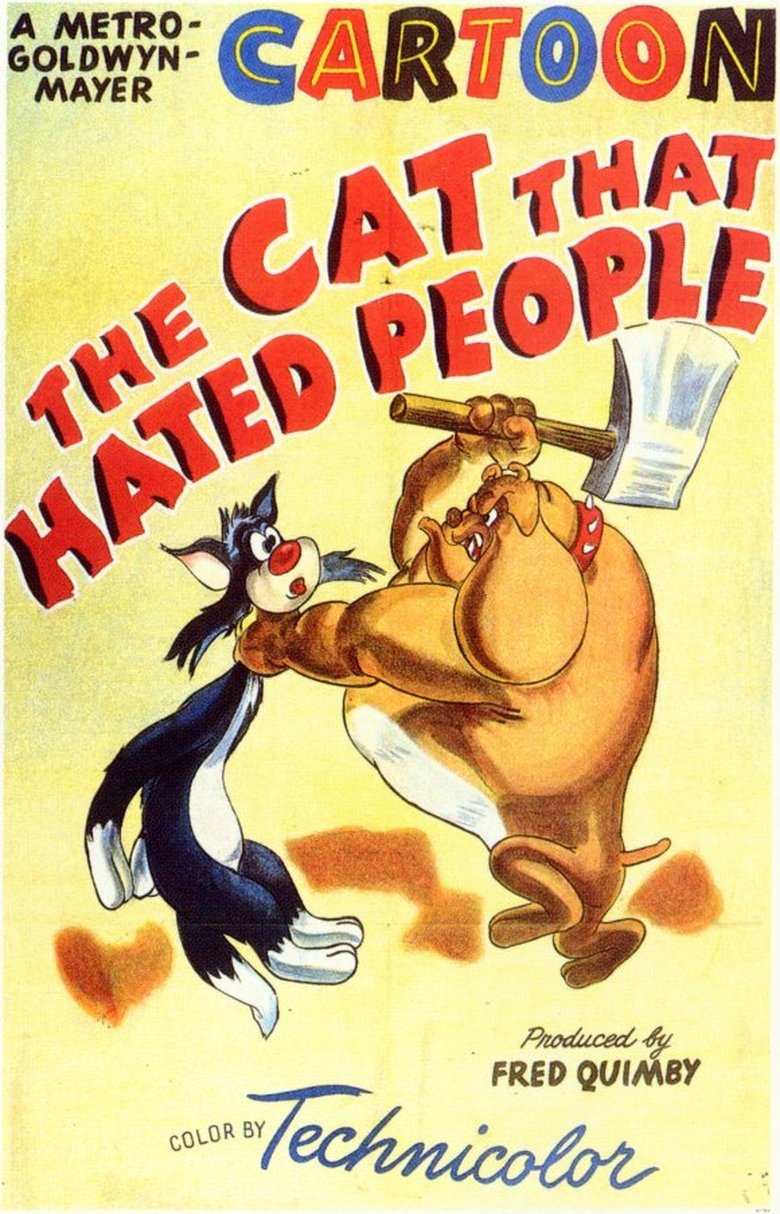
1948
NRDirector
Tex Avery
Runtime
7 minutes
Average Rating
No ratings yetSynopsis
A much-abused cat really hates living with people, so decides to go to the moon for some peace and quiet.
Overall Score
Fair
Category Breakdown
LGBTQ+ Representation
The film offers no evidence of LGBTQ+ characters or non-heteronormative identities. The narrative focuses entirely on the protagonist's individual struggle against a human collective.
Gender Representation
The story centers on a feline protagonist rather than human gender dynamics. While the domestic setting implies traditional roles, the cat's rejection of home life disrupts standard domestic tropes.
Racial & Ethnic Diversity
There is no indication of diverse ethnic identities within the film. The human characters appear to serve as a monolithic, homogeneous obstacle to the cat's peace.
Religious & Cultural Diversity
The film provides a critique of social obligations and communal living. By framing the domestic sphere as oppressive, it prioritizes individualistic escapism over traditional social units.
Disability Representation
No information is available regarding the depiction of physical or neurodivergent traits in this short.
Strengths
Areas for Improvement
AI Analysis
Tex Avery’s 1948 short is a study in social alienation rather than a showcase of diverse identities. The narrative architecture focuses on a protagonist seeking autonomy by fleeing a chaotic human environment for the moon. While the film lacks meaningful intersectional representation regarding race, gender, or orientation, it finds a unique niche in its thematic content. It challenges the sanctity of the domestic environment, offering a perspective of radical autonomy against societal pressures. Ultimately, the work functions as a subversion of traditional social cohesion, prioritizing the individual's need for peace over the burdens of communal living.
1948
1954
1951
1949
1954
1952
1943
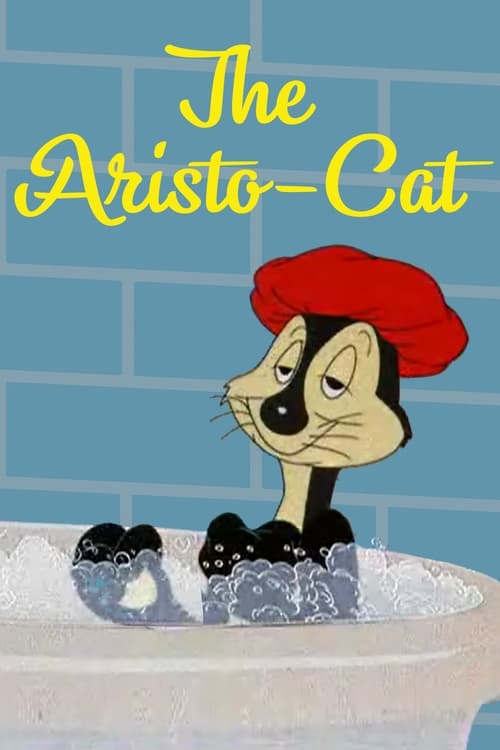
1943

1944
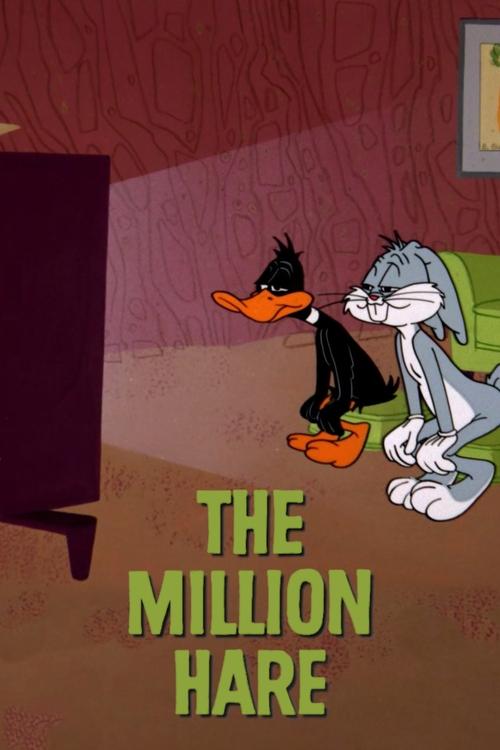
1963
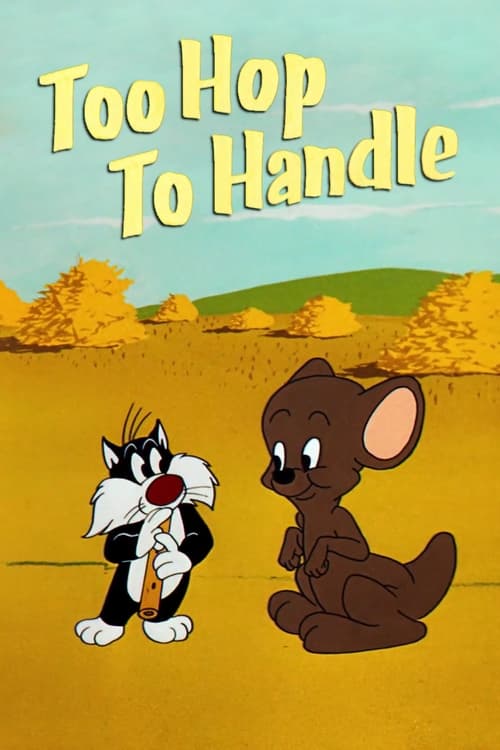
1956
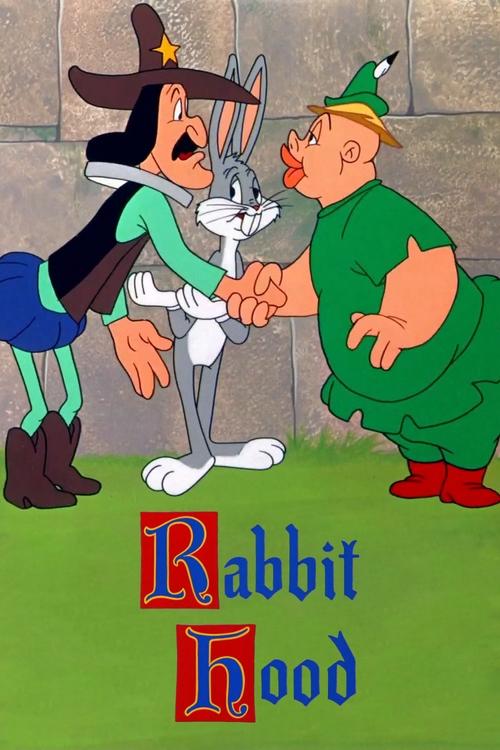
1949
No reviews yet. Be the first to share your thoughts on this movie!
Use the rating form above to leave a star rating and optional review.