
Hollywood Steps Out
1941
No user ratings available yet
Representation score: 0.7 out of 10
Representation Score
Minimal
1936
NRDirector
Tex Avery
Runtime
8 minutes
Average Rating
No ratings yetNew Showbiz Analysis
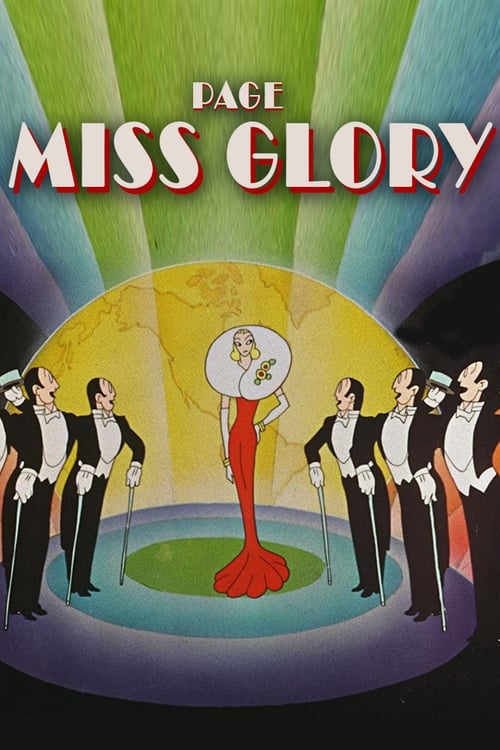
Page Miss Glory reflects the 1936 historical context, emphasizing traditional social hierarchies and comedic clichés of the era. The narrative structure highlights class-based aspirations and rural-to-urban dreams, reinforcing mid-century archetypes without challenging them. The film adheres to the period's norms, presenting a conventional depiction of rural life and gender roles.
Category Breakdown
The film doesn't include any explicit LGBTQ+ characters or identities. It follows traditional romantic themes of the time, focusing on a dream involving a specific woman.
Gender roles adhere to the conventions of the 1930s, with a male service worker pursuing a female subject of interest. This reinforces traditional views of femininity as an object of desire.
The rural setting suggests a homogeneous society typical of 1936, with no indication of diverse racial or ethnic representation.
The story contrasts rural simplicity with urban luxury, focusing on social aspirations through a dream sequence. It does not explore systemic power or cultural institutions.
There are no characters with visible or invisible disabilities mentioned in the narrative.
Present on Screen
Limited or Absent
Official Synopsis
While the rural town of Hicksville anticipates the arrival of one Miss Glory, the bellhop at her modest hotel falls asleep and dreams of paging her at a luxurious metropolitan high rise hotel.
1941
1938
1937

1940
1939
1949
1942

1945
No reviews yet. Be the first to share your thoughts on this movie!
Use the rating form above to leave a star rating and optional review.