Doggone Tired
1949
No user ratings available yet
Representation score: 0.5 out of 10
Representation Score
Minimal
1951
ApprovedDirector
Tex Avery
Runtime
7 minutes
Average Rating
No ratings yetNew Showbiz Analysis
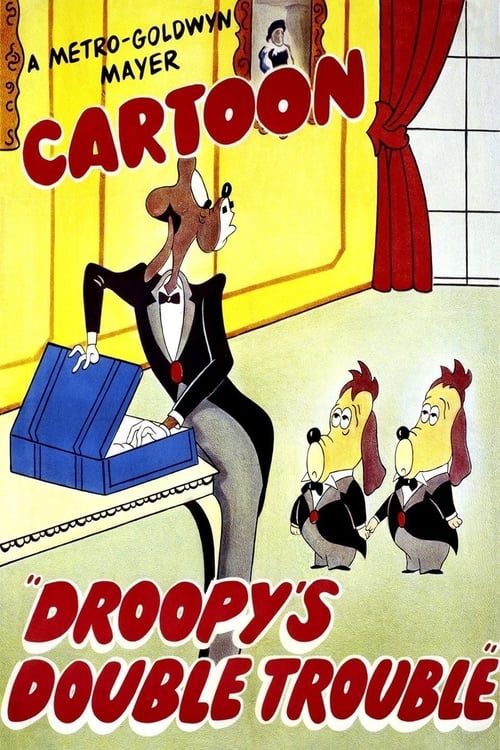
Droopy's Double Trouble is a traditional comedic short that prioritizes physical humor over exploring identity. The narrative focuses on slapstick antagonism and domestic clichés. The film lacks intentional representation of diverse identities and remains within a narrow comedic framework. Ultimately, it reflects its era by operating within a vacuum of social identity, favoring surrealism and subverted pacing over sociopolitical commentary.
Category Breakdown
The film features anthropomorphic characters in a domestic setting. There is no presence of non-binary or same-sex relationships.
The story relies on class-based dynamics and slapstick humor rather than gendered power struggles. It lacks female characters who take a leading role.
The cast consists of a homogeneous group of animal characters. There is no evidence of racial or ethnic diversity.
The narrative centers on slapstick and basic needs like food and employment. It reinforces a traditional social order without engaging in cultural critique.
No characters are depicted with visible or invisible disabilities. Physical comedy is driven by exaggerated slapstick rather than lived experiences of disability.
Present on Screen
Limited or Absent
Official Synopsis
Butler Droopy gets his twin brother Drippy a job as assistant butler, causing trouble for Butch, who is trying to mooch an easy meal but can't tell the difference between the kind Droopy and the violence-prone Drippy.
1949

1950
1941
1941

1950
1952
1937
1937
No reviews yet. Be the first to share your thoughts on this movie!
Use the rating form above to leave a star rating and optional review.