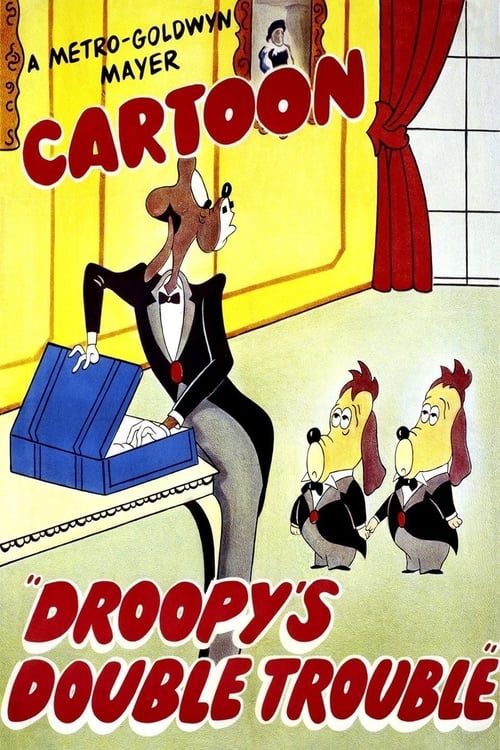
Droopy's Double Trouble
1951
No user ratings available yet
Diversity score: 2.1 out of 10
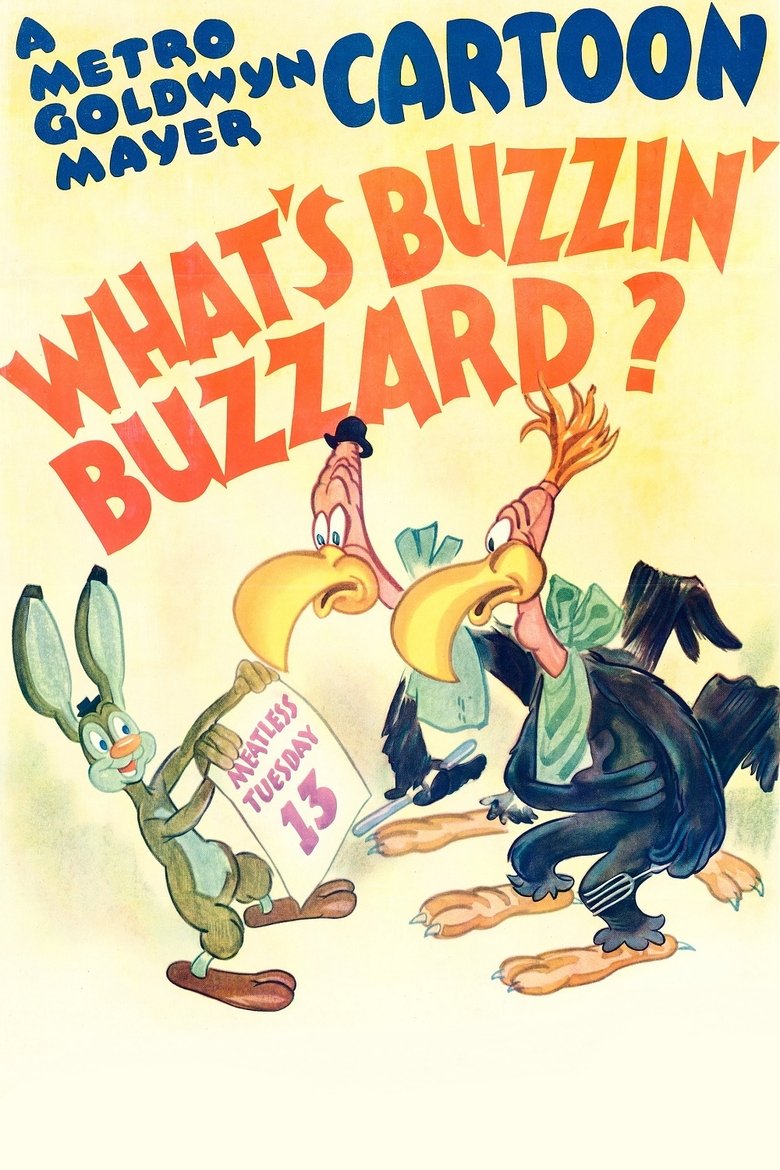
1943
Director
Tex Avery
Runtime
8 minutes
Average Rating
No ratings yetSynopsis
Two buzzards suffer from acute food shortage and make up for it by cooking each other, or at least trying to.
Overall Score
Minimal
Category Breakdown
LGBTQ+ Representation
The film contains no depictions of non-cisnormative gender identities or same-sex intimacy. Character dynamics focus on a traditional male-coded rivalry.
Gender Representation
Roles are defined by traditional masculine archetypes, such as the trickster and the frustrated protagonist. The film lacks female agency or subversion of gender hierarchies.
Racial & Ethnic Diversity
The anthropomorphic animal cast abstracts the narrative from human racial dynamics. However, the social landscape remains highly homogeneous, reflecting 1940s Western-centric animation norms.
Religious & Cultural Diversity
The story operates within a framework of traditional cartoon morality. It reinforces a standard moral order where disruptive behavior is met with slapstick retribution.
Disability Representation
There are no depictions of visible or invisible disabilities. Characters function within a standard physical paradigm where injuries are temporary and purely comedic.
Strengths
Areas for Improvement
AI Analysis
This 1943 Tex Avery short is a quintessential example of mid-century slapstick, prioritizing kinetic comedy over identity-based complexity. The narrative relies on a musical framework to drive the conflict between Donald Duck and Buzz Buzzard, adhering strictly to the social hierarchies of its era. While the use of animal characters abstracts human racial dynamics, the film remains a product of its historical context. It offers little narrative disruption, instead utilizing traditional character tropes and a standard moral order typical of the period.
1951
1954
1937
1949
1948
1950
1962
1946
1932
1936
1954
1939
No reviews yet. Be the first to share your thoughts on this movie!
Use the rating form above to leave a star rating and optional review.