
Black and Tan
1929
No user ratings available yet
Diversity score: 4.8 out of 10
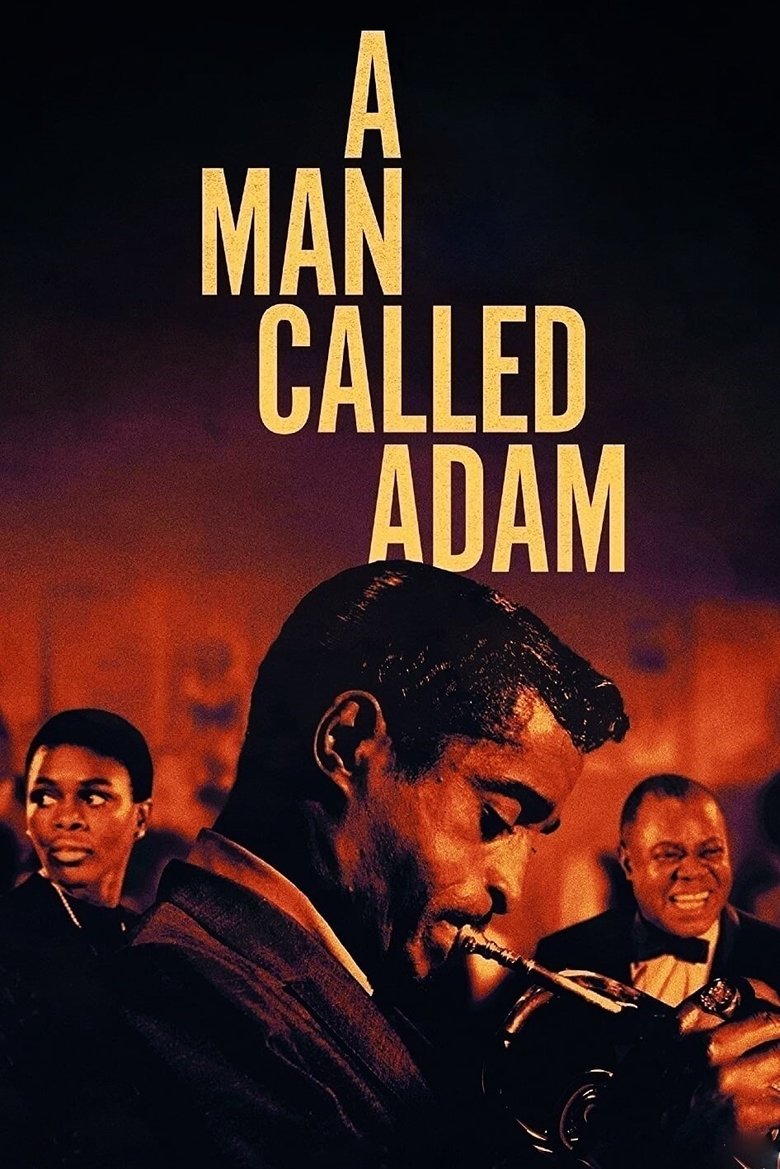
1966
NRDirector
Leo Penn
Runtime
99 minutes
Average Rating
No ratings yetSynopsis
A famous jazz trumpeter finds himself unable to cope with the problems of everyday life.
Overall Score
Fair
Category Breakdown
LGBTQ+ Representation
The film focuses entirely on racial and social integration. There is no evidence of non-heteronormative identities or critiques of heteronormativity.
Gender Representation
The narrative centers on a high-agency male lead, avoiding the most egregious tropes of submissive femininity. However, a lack of nuanced female character arcs limits depth.
Racial & Ethnic Diversity
By centering Sidney Poitier, the film disrupts mid-century trends of marginalizing characters of color. It uses the protagonist's presence to expose systemic biases within a white community.
Religious & Cultural Diversity
The story critiques American social structures and the moral failures of prejudice. It challenges traditional hierarchies by prioritizing a critique of systemic injustice.
Disability Representation
There is no documented evidence regarding the portrayal of physical or neurodivergent disabilities in this work.
Strengths
Areas for Improvement
AI Analysis
A Man Called Adam serves as a significant historical text for racial representation. By placing a Black protagonist in a position of high agency, the film confronts the systemic friction of the era's social landscape. While the film excels in its portrayal of Black intellectual and professional life, it lacks intersectional complexity. The narrative does not engage with LGBTQ+ identities or provide significant depth to female characters. Ultimately, the film's strength lies in its willingness to use a central Black figure to expose the moral contradictions of a biased community, establishing a progressive baseline for 1960s cinema.
1929

1976

2007

1988
1963

2018

1973
1940
1945

2020

2016

1982
No reviews yet. Be the first to share your thoughts on this movie!
Use the rating form above to leave a star rating and optional review.