
Shania A Life in Eight Albums
2005
No user ratings available yet
Representation score: 2.2 out of 10
Representation Score
Fair
1976
PGDirector
Hal Ashby
Runtime
148 minutes
Average Rating
No ratings yetNew Showbiz Analysis
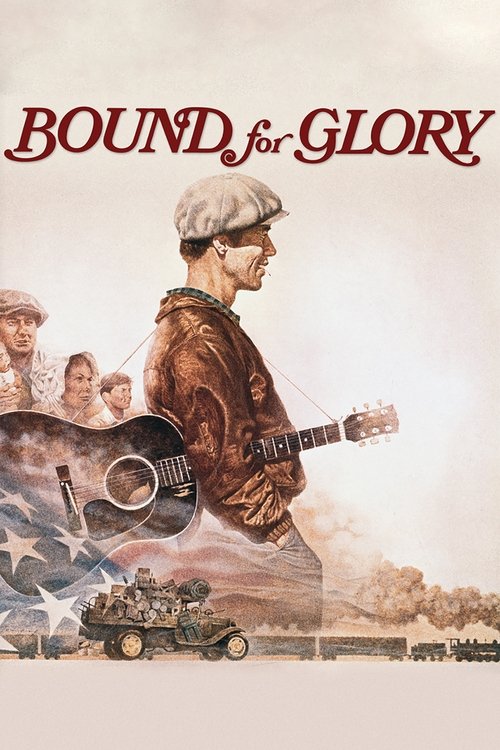
Bound for Glory is a character-driven biography that emphasizes the ability to act of the working class over institutional stability. It succeeds by deconstructing the 'American Dream' through a nuanced critique of the systemic forces shaping the 1930s. While the film excels in its cultural commentary on class struggle and economic oppression, it remains bound by the social constraints of its era. The representation of gender and identity follows traditional mid-century frameworks without significant challenge. Ultimately, the film's strength lies in its portrayal of the disenfranchised. It uses the itinerant lifestyle and folk music to highlight the collective strength of those underrepresented by capitalist structures.
Category Breakdown
The film focuses solely on Woody Guthrie's life and relationship with Marjorie Mazia. It does not include any representation of non-straight or non-cisgender identities, nor does it critique the assumption that everyone is straight or cisgender.
Marjorie Mazia is portrayed with significant personality, but the film adheres to traditional 1930s domestic roles. The narrative does not actively challenge established gender hierarchies.
The story realistically portrays the socioeconomic and racial divisions during the Great Depression. It highlights the intersection of class and race within the American West.
The film delivers a strong anti-capitalist message, focusing on the struggles of migrant workers against exploitative landowners. Folk music serves as a vital medium for those underrepresented by capitalism.
The narrative depicts the physical toll of poverty and hard labor. However, it does not focus specifically on neurodivergence or visible disabilities as central themes.
Present on Screen
Limited or Absent
Official Synopsis
A biography of Woody Guthrie, one of America's greatest folk singers. He left his dust-devastated Texas home in the 1930s to find work, discovering the suffering and strength of America's working class.
2005
1982

1980

1980

2007

2024

1988

2019
No reviews yet. Be the first to share your thoughts on this movie!
Use the rating form above to leave a star rating and optional review.