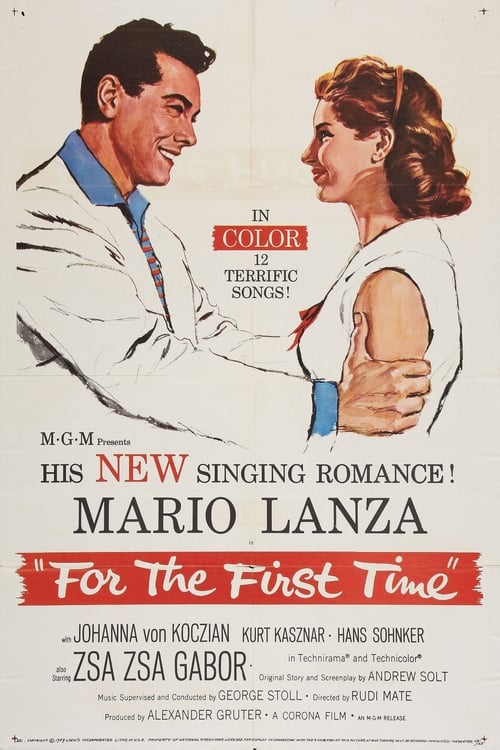
For the First Time
1959
No user ratings available yet
Representation score: 4.0 out of 10
Representation Score
Limited
1982
PGDirector
Franklin J. Schaffner
Runtime
110 minutes
Average Rating
No ratings yetNew Showbiz Analysis
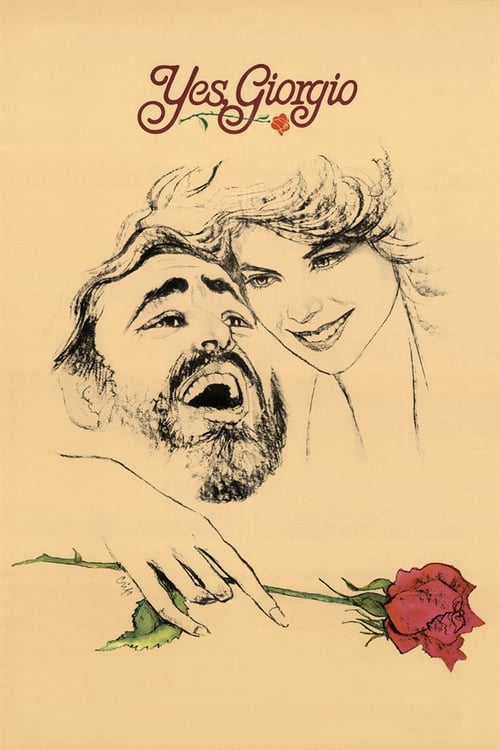
Giorgio is a conventional romantic drama that adheres to the traditional cinematic structures of the early 1980s. The narrative centers on a singular romantic arc between a male opera singer and a female specialist, using a professional crisis as a catalyst for love. The film lacks significant representation of diverse identities, leaning instead on established genre conventions. It does not attempt to challenge social hierarchies or provide varied perspectives, focusing on a Western-centric romantic resolution. Ultimately, the work functions as a traditional piece of storytelling, prioritizing a classic narrative arc over progressive themes.
Category Breakdown
The film follows a strictly heterosexual romantic storyline. There are no representations of LGBTQ+ identities or critiques of heterosexuality.
The female lead is shown as a professional specialist, but the plot revolves around the male protagonist's crisis, suggesting a traditional gender dynamic.
The narrative appears to follow a conventional Western framework. There is no evidence of diverse casting or intentional blending of different backgrounds.
The film adheres to traditional Western romantic clichés. It relies on conventional social structures without challenging religious or moral institutions.
The protagonist's loss of voice serves as a standard plot device to facilitate romance. It lacks a nuanced exploration of the character's disability.
Present on Screen
Limited or Absent
Official Synopsis
A famous opera singer, Giorgio Fini, loses his voice during an American tour. He goes to a female throat specialist, Pamela Taylor, whom he falls in love with.
1959

1952
1991

1981
2002

1977

1970

1982
No reviews yet. Be the first to share your thoughts on this movie!
Use the rating form above to leave a star rating and optional review.