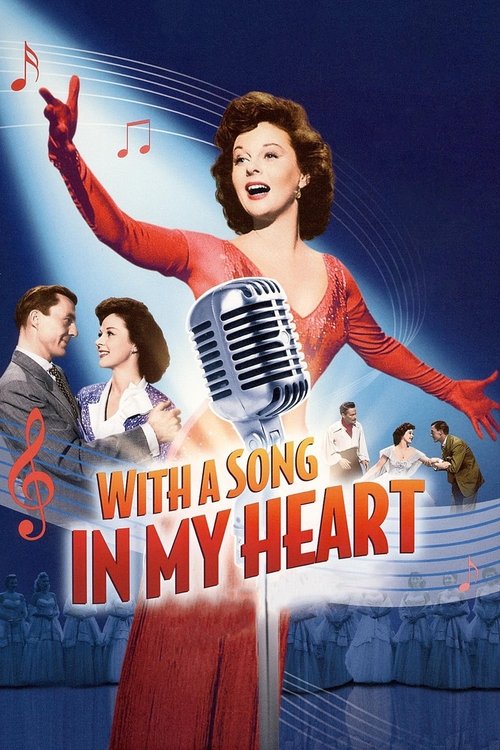
With a Song in My Heart
1952
No user ratings available yet
Diversity score: 2.5 out of 10

1940
PassedDirector
Bernard B. Ray
Runtime
60 minutes
Average Rating
No ratings yetSynopsis
After noted violinist Arthur Williams suffers a hand injury which ends his playing career, his hopes are transferred to his son, who prefers swing music to classical.
Overall Score
Limited
Category Breakdown
LGBTQ+ Representation
The film lacks any indication of non-cisnormative identities. The narrative focuses on a traditional domestic framework centered on familial succession.
Gender Representation
Agency is concentrated within male characters, specifically the father and son. The story reinforces traditional masculine roles through the lens of professional legacy.
Racial & Ethnic Diversity
The production appears to follow the era's tendency toward homogeneous casting. There is no evidence of non-white protagonists driving the central drama.
Religious & Cultural Diversity
The conflict between classical and swing music reflects a generational shift in taste. However, the themes align with traditional values regarding family continuity.
Disability Representation
A hand injury serves as the primary plot catalyst for Arthur Williams. The narrative treats the disability as a dramatic obstacle rather than a nuanced exploration.
Strengths
Areas for Improvement
AI Analysis
Broken Strings is a period-typical drama that prioritizes traditional familial structures and professional legacies. The story centers on a violinist whose career is cut short by injury, shifting his ambitions onto his son. While the film addresses physical disability, it does so through a conventional lens of lost utility. The narrative lacks intersectional complexity, adhering instead to the social and cultural norms of 1940. Ultimately, the film functions as a standard studio-era drama, focusing on the tension between musical genres and the preservation of patriarchal lineage.
1952
1945
1940
1947
1958
2014
1936
1953
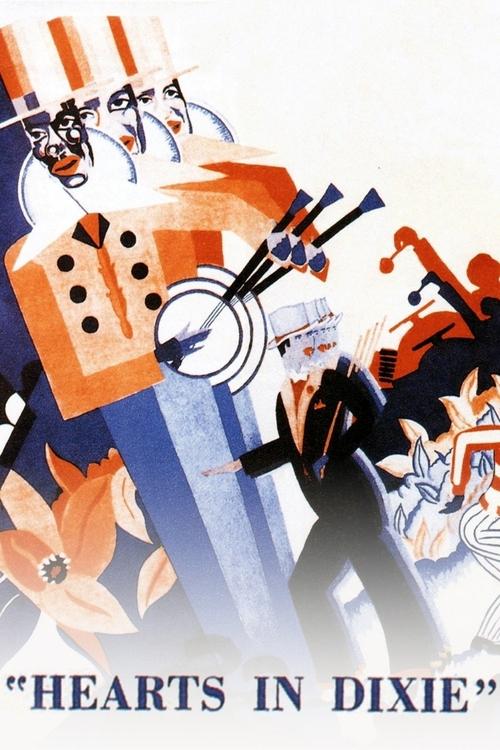
1929

1929
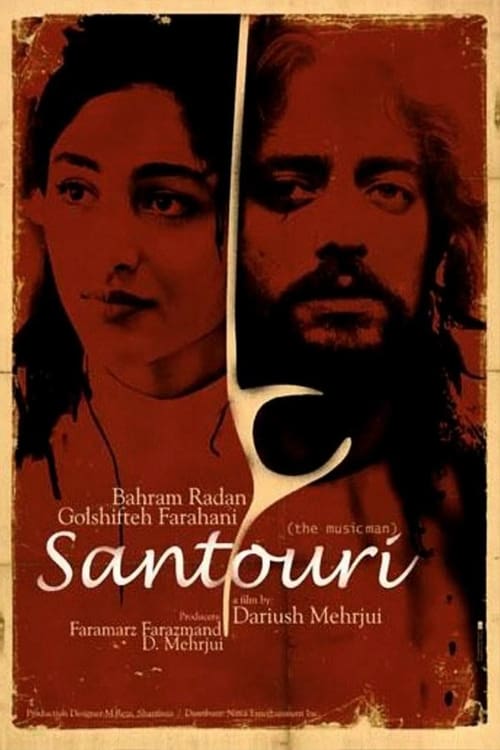
2007
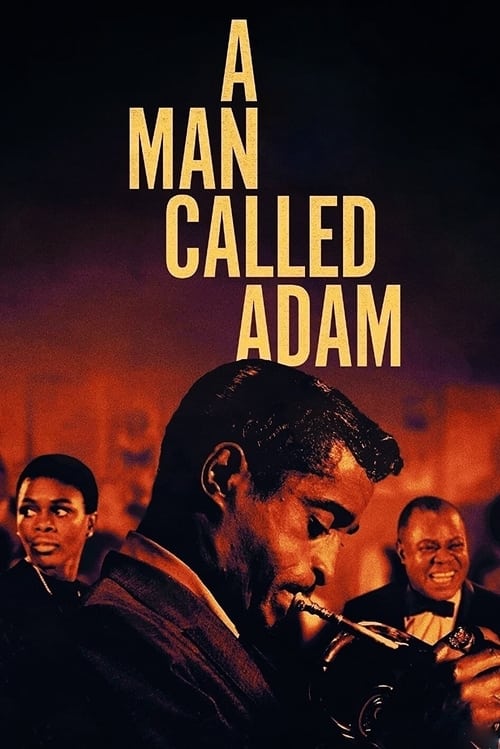
1966
No reviews yet. Be the first to share your thoughts on this movie!
Use the rating form above to leave a star rating and optional review.