
Breaking Glass
1980
No user ratings available yet
Representation score: 4.3 out of 10
Representation Score
Minimal
1973
PGDirector
Claude Whatham
Runtime
87 minutes
Average Rating
No ratings yetNew Showbiz Analysis
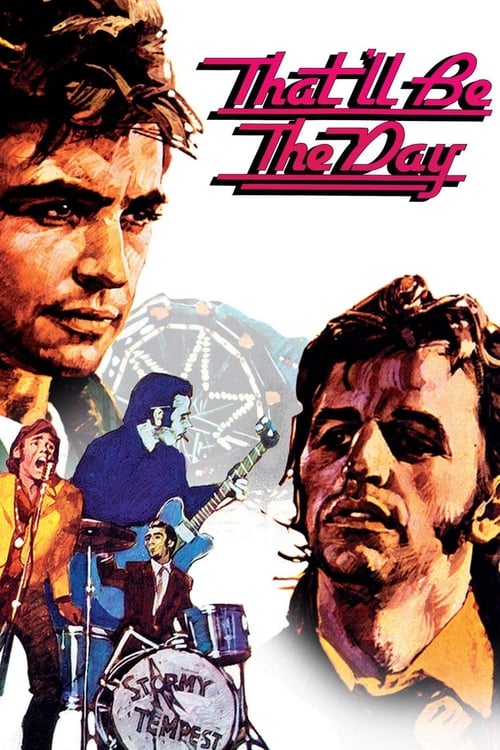
That'll Be The Day serves as a period piece focusing on the sociological shifts of the late 1950s. It prioritizes historical authenticity and the evolution of youth subcultures over disrupting social hierarchies. The narrative is constructed around conventional social structures, emphasizing class and generational changes within a homogeneous demographic. It operates within the established norms of its era rather than seeking to challenge them. Due to the lack of storytelling that reflects multiple aspects of identity or subversion of traditional hierarchies, the film remains a localized study of British youth culture rather than a diverse exploration.
Category Breakdown
The film does not include any LGBTQ+ characters or non-assuming gender matches what was assigned at birth identities. Romantic relationships are strictly heterosexual, reflecting the social norms of the 1950s.
Female characters mainly serve as romantic interests or supporting figures to the male lead. The narrative adheres to mid-century gender hierarchies without challenging patriarchal structures.
The story portrays a predominantly white British working-class community. There is a notable lack of racial diversity or color-blind casting.
The film examines the tension between generational authority and the rise of rock and roll. It focuses on the cultural evolution of music rather than critiquing Western institutions.
There are no visible depictions of physical or neurodivergent disabilities. No character arcs are centered around interactions with disability.
Present on Screen
Limited or Absent
Official Synopsis
Britain, 1958. Restless at school and bored with his life, Jim leaves home to take a series of low-level jobs at a seaside amusement park, where he discovers a world of cheap sex and petty crime. But when that world comes to a shockingly brutal end, Jim returns home. As the local music scene explodes, Jim must decide between a life of adult responsibility or a new phenomenon called rock & roll.
1980
1979

1957

2012

1963
1957

1968
1958
No reviews yet. Be the first to share your thoughts on this movie!
Use the rating form above to leave a star rating and optional review.