Looping the Loop
1928
No user ratings available yet
Representation score: 1.8 out of 10
Representation Score
Minimal
1956
NRDirector
Carol Reed
Runtime
105 minutes
Average Rating
No ratings yetNew Showbiz Analysis
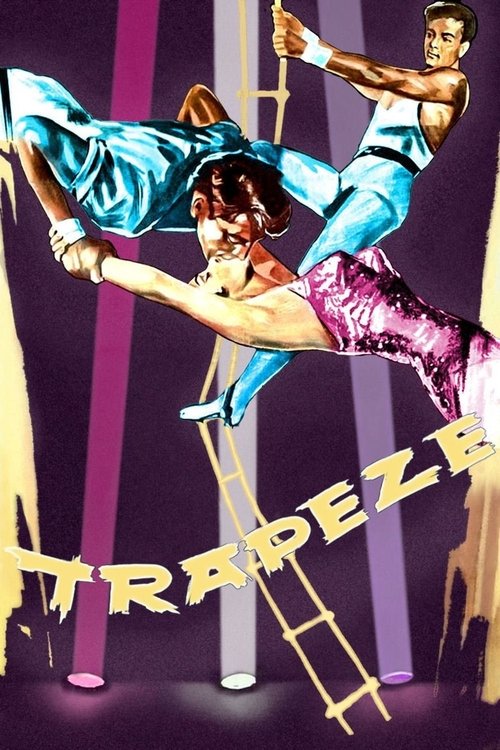
Trapeze is a classic mid-century studio drama that emphasizes traditional narrative structures. It centers on established hierarchies of gender and race typical of its time. The film provides a compelling look at professional obsession and interpersonal tension but reinforces the social norms of the 1950s without challenging broader societal issues.
Category Breakdown
The story follows traditional heterosexual relationships and social norms from the 1950s. Conflicts arise from romantic competition and professional rivalry, fitting the era's conventions.
The film upholds a traditional patriarchal structure. A female character disrupts the male dynamic, but she is primarily defined by her romantic interest and sex appeal.
The cast is predominantly white and Western. The circus setting includes few characters of color with substantial roles or depth.
The film focuses on the professional dynamics within a circus environment. It does not critique Western institutions, capitalism, or religious practices.
The film does not include characters with visible or invisible disabilities. The emphasis is on the physical abilities of the performers.
Present on Screen
Limited or Absent
Official Synopsis
A pair of men try to perform the dangerous "triple" in their trapeze act. Problems arise when the duo is made into a trio following the addition of a sexy female performer.
1928
1952
1949
1945

1926
1956
1929
1952
No reviews yet. Be the first to share your thoughts on this movie!
Use the rating form above to leave a star rating and optional review.