Du Barry, Woman of Passion
1930
No user ratings available yet
Representation score: 2.8 out of 10
Representation Score
Minimal
1925
Director
Alfred Hitchcock
Runtime
91 minutes
Average Rating
No ratings yetNew Showbiz Analysis
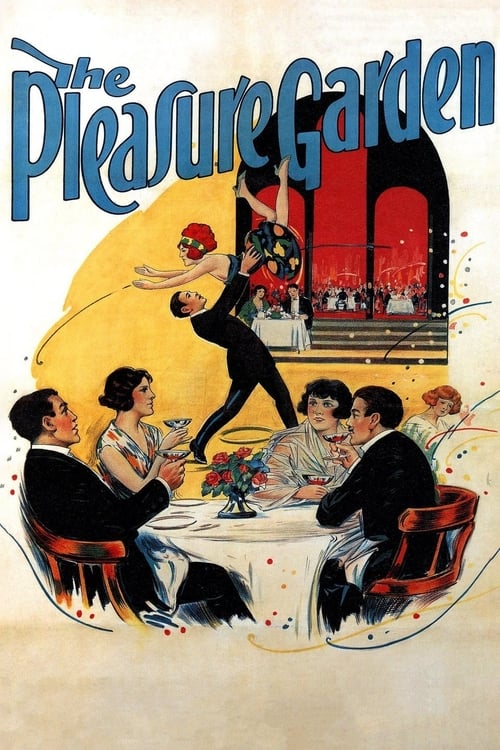
Alfred Hitchcock's directorial debut, *The Pleasure Garden*, is a classic melodrama rather than a social critique. The film relies on traditional character types and romantic conflict to advance the plot within a seaside setting. While the film introduces early psychological tension, it lacks the layered complexity seen in contemporary cinema. The narrative adheres to the social norms and hierarchies of the 1920s British silent era. Ultimately, the work serves as a foundational text for cinematic suspense but does not engage with the deconstruction of identity-based power dynamics or systemic social structures.
Category Breakdown
The film centers on traditional heterosexual romance and does not include any non-straight or non-cisgender identities.
Female characters play key roles in the story, but the narrative follows the gender norms and power structures typical of the 1920s.
The cast is primarily British, reflecting the social norms of the time without significant non-white representation.
The story is a traditional romantic drama that does not challenge Western institutions or explore secular or anti-capitalist themes.
The film does not depict any characters with physical or cognitive disabilities.
Present on Screen
Limited or Absent
Official Synopsis
Two chorus girls at the Pleasure Garden Theatre follow different paths in love and fortune.
1930

1929

1928
1932
1929
1927
1929
1928
No reviews yet. Be the first to share your thoughts on this movie!
Use the rating form above to leave a star rating and optional review.