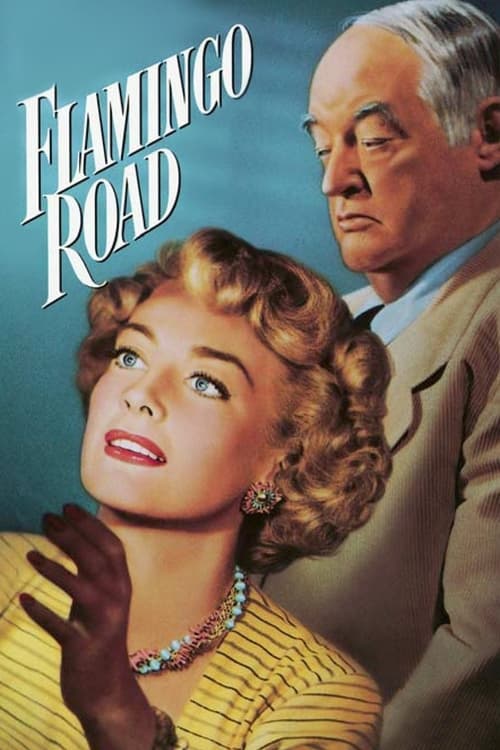
Flamingo Road
1949
No user ratings available yet
Representation score: 2.1 out of 10
Representation Score
Minimal
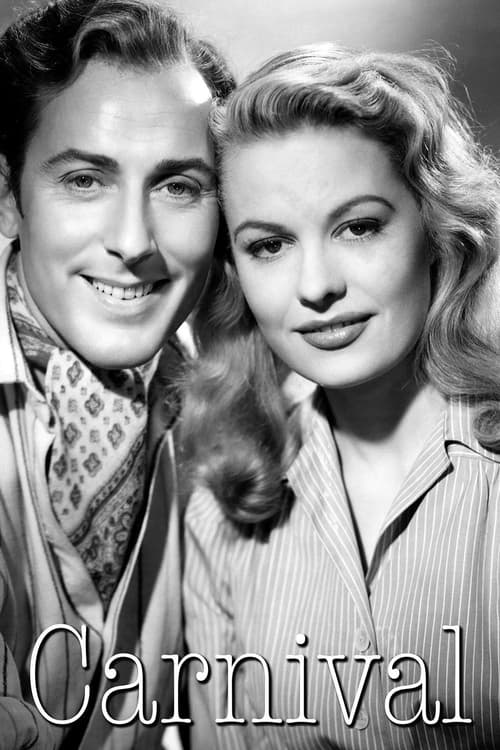
1946
ApprovedDirector
Stanley Haynes
Runtime
93 minutes
Average Rating
No ratings yetNew Showbiz Analysis
Carnival is a period-typical melodrama that adheres to the social hierarchies and gendered expectations of 1940s cinema. The plot centers on a female ballet dancer caught between a Cornish farmer and an artist, prioritizing romantic conflict over broader social critique. The film lacks complexity, offering a homogeneous view of the world. While it provides a central female perspective, the character's motivations are tied to traditional romantic dissatisfaction rather than independent ability to act. Ultimately, the work reinforces conventional social roles and traditional power dynamics, providing little disruption to the status quo of its era.
Category Breakdown
The film focuses on a heterosexual romantic triangle. There is no evidence of LGBTQ+ identities or narratives that challenge the assumption that everyone is straight or cisgender.
A female protagonist provides visibility, but her role is constrained by her relationships with men. Her journey is defined by romantic longing and domestic tension.
The setting and character archetypes suggest a homogeneous Western European cast. There is no indication of racial blending or diverse ethnic perspectives.
The story reinforces traditional Western social structures. It explores the tension between rural tradition and urban modernity through a personal, melodramatic lens.
The narrative does not mention characters navigating physical, sensory, or neurodivergent experiences. The focus remains on the central romantic trio.
Present on Screen
Limited or Absent
Official Synopsis
A melodrama about a 19th-century ballet dancer who makes an unfortunate career move by marrying a taciturn Cornish farmer. She soon longs for the bright lights of the big city and for the arms of her artist lover. Unfortunately, her husband is all too aware of this.
1949
1935

1952
1952

1922

1951
1949

1930
No reviews yet. Be the first to share your thoughts on this movie!
Use the rating form above to leave a star rating and optional review.