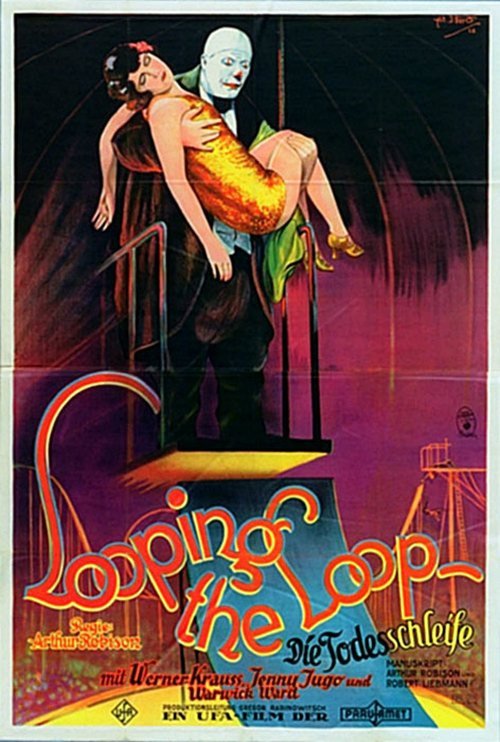
Looping the Loop
1928
No user ratings available yet
Representation score: 1.8 out of 10
Representation Score
Minimal
1926
PassedDirector
Archie Mayo
Runtime
65 minutes
Average Rating
No ratings yetNew Showbiz Analysis
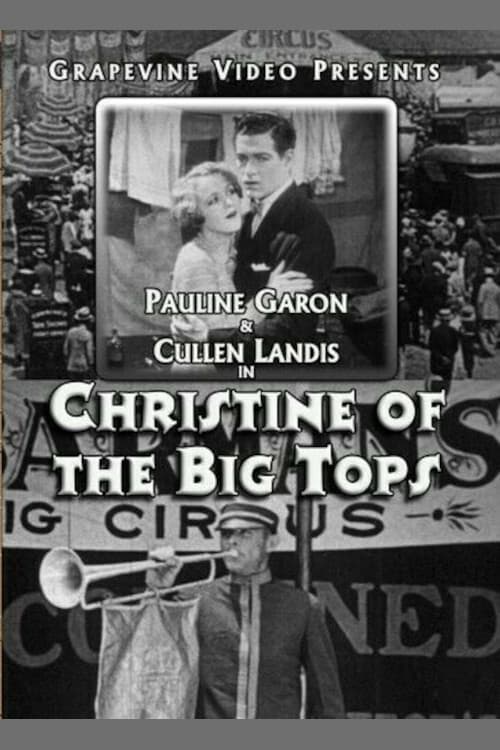
Christine of the Big Tops operates as a conventional silent-era melodrama, relying on established social hierarchies and traditional romantic clichés typical of 1920s Hollywood. While the protagonist exerts some individual ability to act regarding her professional vocation, the narrative remains tethered to standard gendered conflicts. The film lacks meaningful representation of LGBTQ+ identities or racial diversity, focusing instead on a homogeneous circus troupe. The plot is driven by a romantic triangle between Christine and two male figures, which reinforces traditional patriarchal structures rather than challenging them. Ultimately, the work serves as a period-typical drama that prioritizes romantic resolution and social stability over any systemic critique or diverse character exploration.
Category Breakdown
The film focuses on a heterosexual relationship without any representation of LGBTQ+ identities or critiques of the assumption that everyone is straight or cisgender.
Christine pursues a career as a circus performer, showing ability to act in her professional life. However, her story is largely defined by romantic entanglements and conflicts mediated by male authority figures.
The film features a homogeneous cast within the circus setting, with no indication of racial blending or non-Anglo-Saxon majority casting.
The story adheres to traditional notions of courtship and social stability, reinforcing conventional morality typical of the silent era.
The film does not include any characters navigating physical, sensory, or neurodivergent conditions. There is no evidence of disability being used as a plot device.
Present on Screen
Limited or Absent
Official Synopsis
When her circus-performer parents die in an accident, Christine (Pauline Garon) is raised by other circus-performers, including Hagan, a balloon-vender, and Pete Barman as her guardians. When she grows up, she asks to also become a performer, and Barman agrees. Bob Hastings (Cullen Landis) joins the traveling circus as its doctor, and he and Christine fall in love. This angers Barman, who is also in love with her.
1928
1956
1941
1927
1923
1928

1926
1952
No reviews yet. Be the first to share your thoughts on this movie!
Use the rating form above to leave a star rating and optional review.