
The Married Woman
1964
No user ratings available yet
Representation score: 3.0 out of 10
Representation Score
Limited
1967
ApprovedDirector
Serge Bourguignon
Runtime
91 minutes
Average Rating
No ratings yetNew Showbiz Analysis
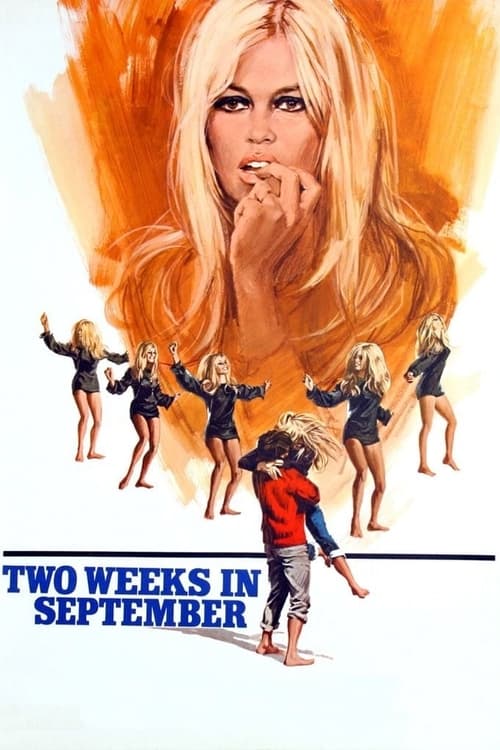
Two Weeks in September is a period drama that explores romantic instability and existential loneliness. It stays true to the cinematic norms of its time, focusing on individual psychological states rather than broader social or political issues. The film operates within the traditional structures of mid-century European cinema, emphasizing personal stories over larger societal critiques. It does not aim to challenge social hierarchies or provide diverse perspectives on identity. Overall, the narrative centers on personal dysfunction and psychological states without addressing systemic or societal structures.
Category Breakdown
The film follows traditional assumptions about straight relationships and doesn't include any characters with non-binary gender identities or same-sex relationships.
The story highlights an imbalance of power between an older man and a younger woman. The female character's influence is mainly shaped by her relationship to the male lead's feelings.
The film features a predominantly white cast with no characters representing diverse racial backgrounds or non-European ethnicities.
The movie focuses on individual morality and avoids discussing political or religious institutions. It does not explore or challenge Western cultural or religious systems.
The film does not depict any characters with physical, sensory, or neurological differences. The characters' struggles are portrayed through existential issues rather than disabilities.
Present on Screen
Limited or Absent
Official Synopsis
Cecile is a young and beautiful Frenchwoman married to a much older Englishman. She loves her husband and seems content with her life, until she meets a younger man and feels forgotten passions stirring within. She now finds herself confronted with a choice: stay with the steady and peaceful love of her husband, or run off for excitement and adventure with a new love?
1964

1965

1957

1952

1968
1969
1958

1971
No reviews yet. Be the first to share your thoughts on this movie!
Use the rating form above to leave a star rating and optional review.