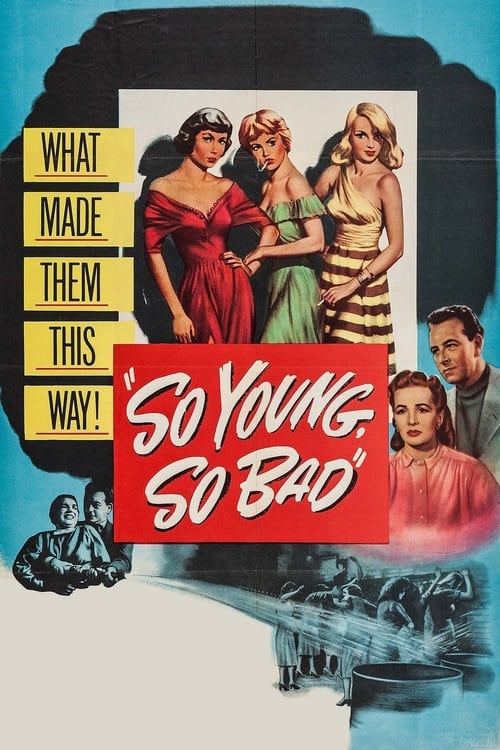
So Young, So Bad
1950
No user ratings available yet
Diversity score: 4.1 out of 10

1952
Director
Basil Dearden, Michael Relph
Runtime
95 minutes
Average Rating
No ratings yetSynopsis
A drama about parole officers to follow the successful Ealing police story of "The Blue Lamp"(1950) . Various sub-plots follow the parole officers and their charges.
Overall Score
Limited
Category Breakdown
LGBTQ+ Representation
The film lacks evidence of non-heteronormative identities or same-sex intimacy. It adheres to the strict heteronormative frameworks typical of 1952 British cinema.
Gender Representation
The narrative likely centers on male authority figures within the police and parole systems. Female roles appear relegated to domestic or supportive capacities rather than institutional leadership.
Racial & Ethnic Diversity
The cast reflects the demographic homogeneity of post-war Britain. There is no documented evidence of significant racial blending or color-blind casting in the primary narrative.
Religious & Cultural Diversity
Themes focus on institutional stability and the restorative functions of the state. The story prioritizes social order and traditional morality over critiques of Western institutions.
Disability Representation
There is no specific information regarding neurodivergence or physical disability among the characters. Mid-century dramas often used disability as a plot device rather than a source of agency.
Strengths
Areas for Improvement
AI Analysis
I Believe in You is a product of its temporal context, functioning as a social realist drama that reinforces 1950s British institutional hierarchies. The film focuses on the efficacy of state-led rehabilitation through parole officers and their charges. The narrative architecture prioritizes the preservation of social order. It lacks the subversion or diversity required to challenge the era's standard casting norms and social structures. Ultimately, the film serves as a study of systemic power dynamics within the legal system, maintaining the traditional social standards of the early 1950s.
1950
1958
1951

1961
1961
1997
1959
1953
1953
1971
1971

1991
No reviews yet. Be the first to share your thoughts on this movie!
Use the rating form above to leave a star rating and optional review.