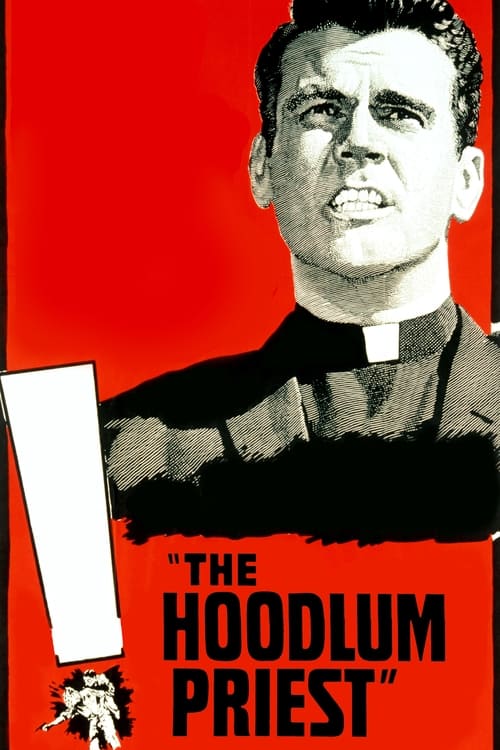
The Hoodlum Priest
1961
No user ratings available yet
Representation score: 2.6 out of 10
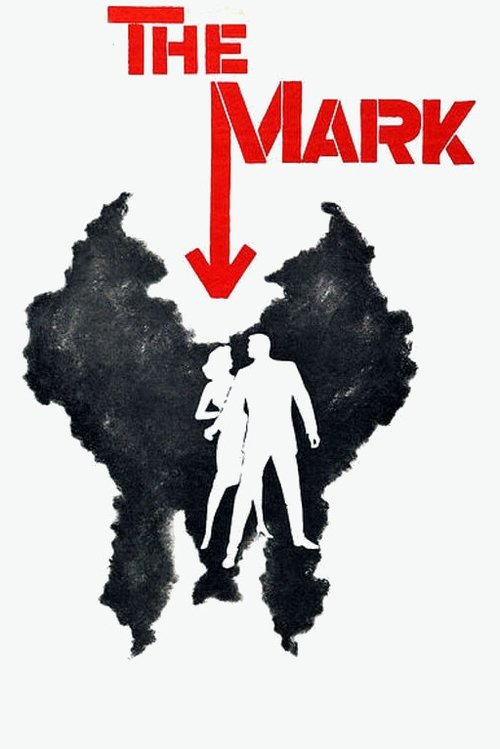
Representation Score
Limited
1961
NRDirector
Guy Green
Runtime
127 minutes
Average Rating
No ratings yetNew Showbiz Analysis
The Mark is a period-specific psychological drama that focuses on clinical observation rather than social representation. While it offers a sophisticated study of mental health, it remains deeply rooted in the demographic homogeneity of 1961 British cinema. The film’s strengths include its nuanced portrayal of mental health and neurodivergence. It avoids using mental illness as a simple caricature. However, this depth does not extend to broader social categories. Ultimately, the film reinforces traditional hierarchies. It lacks complexity in representing diverse identities and backgrounds, focusing instead on white, cisgender men.
Category Breakdown
The film does not depict any non-straight or non-cisgender identities. Same-sex relationships are not shown.
Male characters play key roles in driving the story. Female characters have smaller parts and support the male characters’ journey.
The cast and setting are mostly white and British. The film shows a culturally uniform environment typical of the time.
The story deals with moral ambiguity and psychiatric issues. However, it stays within traditional institutional structures without challenging them.
The film provides a detailed look at mental health and neurodivergence. It avoids oversimplifying these conditions and treats them as complex psychological issues.
Present on Screen
Limited or Absent
Official Synopsis
A man who served prison time for intent to molest a child tries to build a new life with the help of a sympathetic psychiatrist.
1961
1938
1961

2016
1988

1973
1969
1964
No reviews yet. Be the first to share your thoughts on this movie!
Use the rating form above to leave a star rating and optional review.