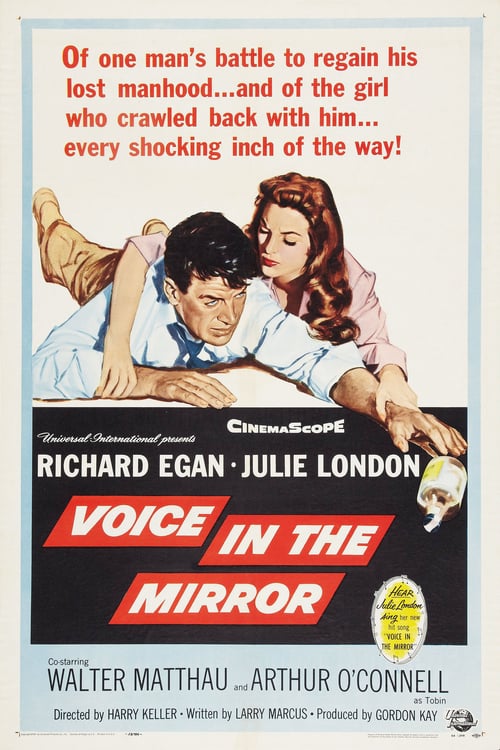
Voice in the Mirror
1958
No user ratings available yet
Representation score: 3.1 out of 10
Representation Score
Limited
1951
Director
Gordon Douglas
Runtime
113 minutes
Average Rating
No ratings yetNew Showbiz Analysis
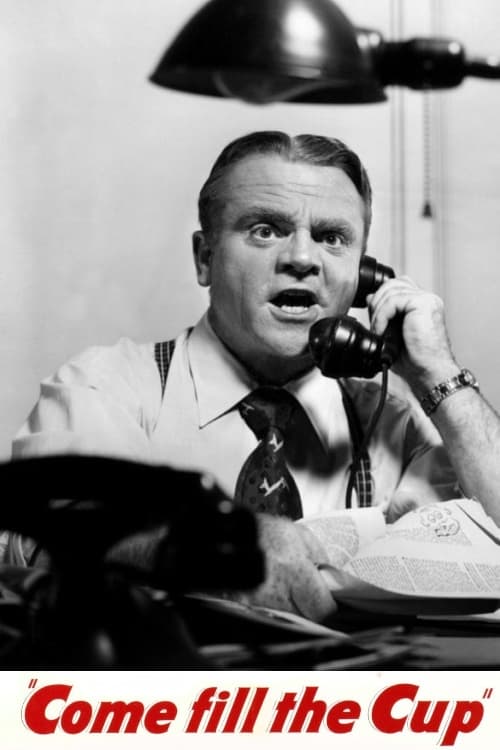
Come Fill the Cup is a mid-century social drama that prioritizes individual moral restoration over complex social issues. The narrative centers on a male protagonist's journey through addiction and rehabilitation, following a traditional arc of hitting rock bottom and regaining social standing. The film adheres to the demographic and social norms of the early 1950s, lacking representation for LGBTQ+ individuals and maintaining a homogeneous approach to race and gender. It focuses on a conventional masculine struggle for redemption. While the film addresses the struggle of addiction, it treats the subject as a moral lesson rather than a deep exploration of systemic health issues. It serves as a standard example of era-specific storytelling that reinforces existing social norms.
Category Breakdown
The film does not include any LGBTQ+ characters or narratives, sticking closely to the assumption that everyone is straight or cisgender.
The story focuses on male characters, particularly Lew Marsh and Charley Dolan, who play significant roles in driving the narrative. Female characters have less influence and are not central to the plot.
The cast is predominantly white, reflecting the homogeneous standards of the early 1950s. There is no effort to include diverse racial backgrounds or challenge traditional racial norms.
The film emphasizes traditional moral values and social integration. It highlights the importance of personal responsibility and the restoration of one's place within established institutions.
The film explores alcoholism through the lens of addiction and mental health, but it primarily serves as a moral cautionary tale rather than a detailed examination of health issues.
Present on Screen
Limited or Absent
Official Synopsis
Alcoholic newspaperman Lew Marsh hits bottom, loses his job and is rehabilitated by Charley Dolan. After six years on the wagon he gets his job back and devotes himself to other recovering alcoholics.
1958
1963
1932

1962

1952

1945

2009

1938
No reviews yet. Be the first to share your thoughts on this movie!
Use the rating form above to leave a star rating and optional review.