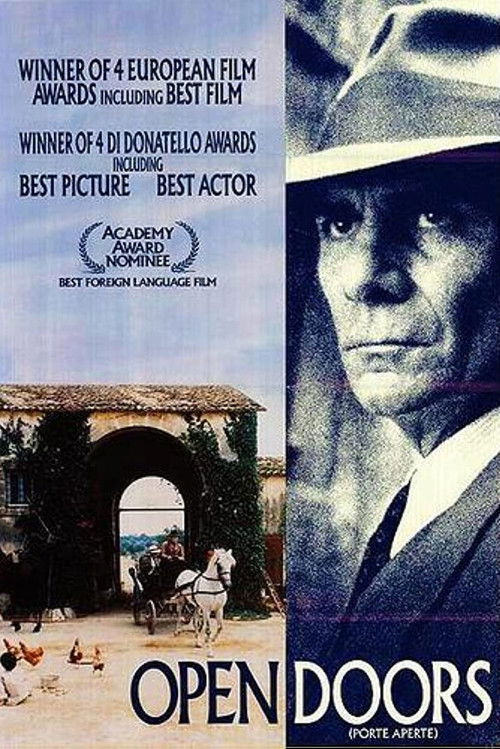
Open Doors
1990
No user ratings available yet
Representation score: 4.9 out of 10

Representation Score
Fair
1991
RDirector
Peter Medak
Runtime
115 minutes
Average Rating
No ratings yetNew Showbiz Analysis
Let Him Have It is a period drama that emphasizes thematic depth over broad demographic representation. While it lacks LGBTQ+ and female characters, it uses its historical setting to critically examine state authority and judicial rigidity. The film's strength lies in its nuanced exploration of neurodivergence and cultural critique. By focusing on a character with cognitive differences, the story highlights how systemic inflexibility affects vulnerable individuals. Ultimately, the film's low diversity scores in gender and race reflect its commitment to historical accuracy, while its higher scores in cultural and disability representation underscore its focus on social and institutional critique.
Category Breakdown
The film focuses on a mid-century social context where LGBTQ+ characters or stories about non-straight relationships are absent.
The story centers around the relationship between Derek Bentley and Chris Craig, with very few female characters. This reflects the limited roles available to women during that time.
Set in 1950s London, the cast is mostly white and Anglo-Saxon. The film does not include diverse casting to offer a modern perspective on this historical uniformity.
The film effectively critiques traditional Western institutions and questions the morality of capital punishment. It portrays anti-social behavior as a result of systemic pressures rather than just criminal actions.
Derek Bentley's character adds depth through his cognitive differences. The film explores how his vulnerability intersects with systemic injustice.
Present on Screen
Limited or Absent
Official Synopsis
In 1950s England, slow-witted Derek Bentley falls in with a group of petty criminals led by Chris Craig, a teenager with a fondness for American gangster films. Chris and Derek's friendship leads to their involvement in the true case which would forever shake England's belief in capital punishment.
1990
1959
1975

1989
1982

1989
1996
1971
No reviews yet. Be the first to share your thoughts on this movie!
Use the rating form above to leave a star rating and optional review.