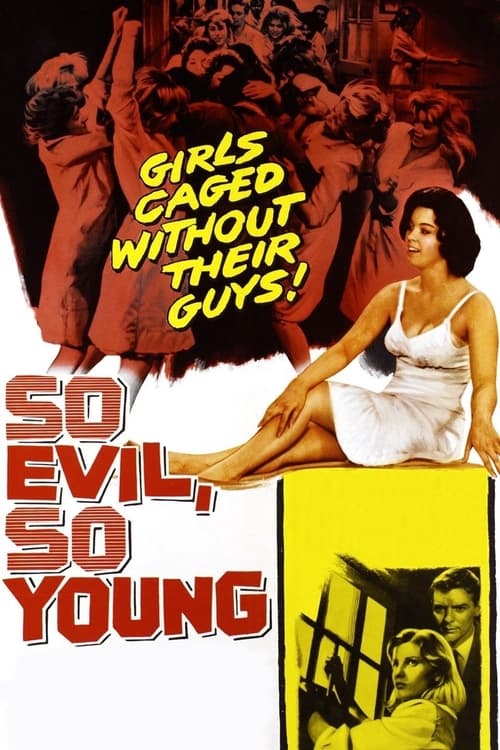
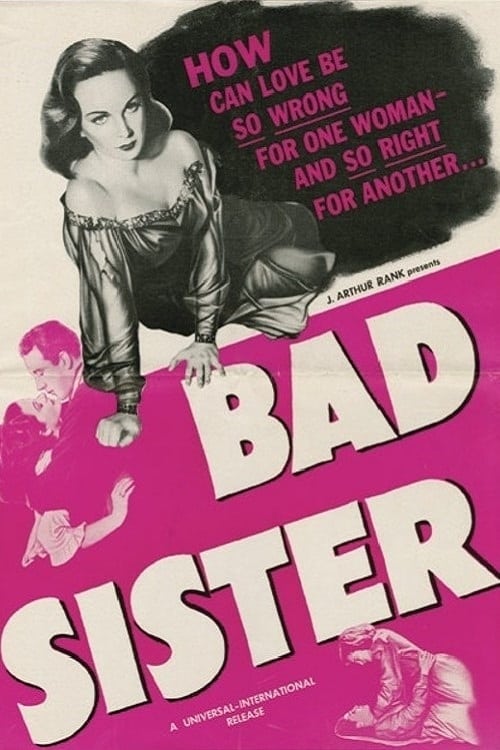
So Evil, So Young
1961
No user ratings available yet
Representation score: 2.0 out of 10
Representation Score
Fair
1950
NRDirector
Bernard Vorhaus, Edgar G. Ulmer
Runtime
91 minutes
Average Rating
No ratings yetNew Showbiz Analysis
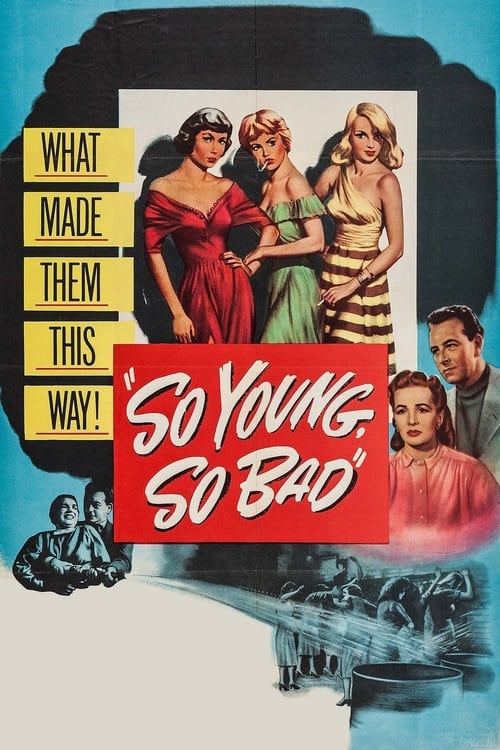
So Young, So Bad serves as a mid-century social critique, finding its strength in subverting traditional gender hierarchies. By focusing on the moral decision-making of rebellious girls and female staff, the film challenges male-dominated authority structures. However, the film remains constrained by the era's social norms, lacking significant racial or LGBTQ+ representation. It adheres to the homogeneous casting and straight-focused narratives common in 1950s cinema. Ultimately, the film's value lies in its deconstruction of institutional corruption, using its setting to question the morality of rigid social systems through the eyes of its female protagonists.
Category Breakdown
The film centers on the interactions between the male protagonist and female inmates. There is no indication of queer subtext or non-straight relationships.
Female characters play a crucial role in driving the plot's moral awakening through rebellion and resistance. The film portrays inmates as active agents rather than passive victims, challenging traditional gender roles.
The film follows the homogeneous casting norms of the 1950s, with no mention of a diverse or non-Anglo-Saxon majority cast.
The story critiques Western institutional structures by depicting school leadership as corrupt. It emphasizes individual empathy over rigid social morals.
Characters are defined by social labels like 'delinquency' rather than medical conditions. There is no specific evidence of physical or neurodivergent disabilities in the narrative.
Present on Screen
Limited or Absent
Official Synopsis
Idealistic and naive Dr. Jason arrives at a school for delinquent girls and immediately begins to try to make a difference in the lives of some of the inmates. Oblivious to the sadistic treatment of the girls by the matrons, it takes a rebellious girl named Loretta to open his eyes. Assisted by a female staff member, Jason finally gets proof of the abuse and threatens the head of the school with exposure unless he is given full rein to run things.
1961
1938
1977
1950
1966
1933
1947
1969
No reviews yet. Be the first to share your thoughts on this movie!
Use the rating form above to leave a star rating and optional review.