Innocence
1997
No user ratings available yet
Diversity score: 4.1 out of 10
1997
Director
Maciej Dejczer
Runtime
102 minutes
Average Rating
No ratings yetSynopsis
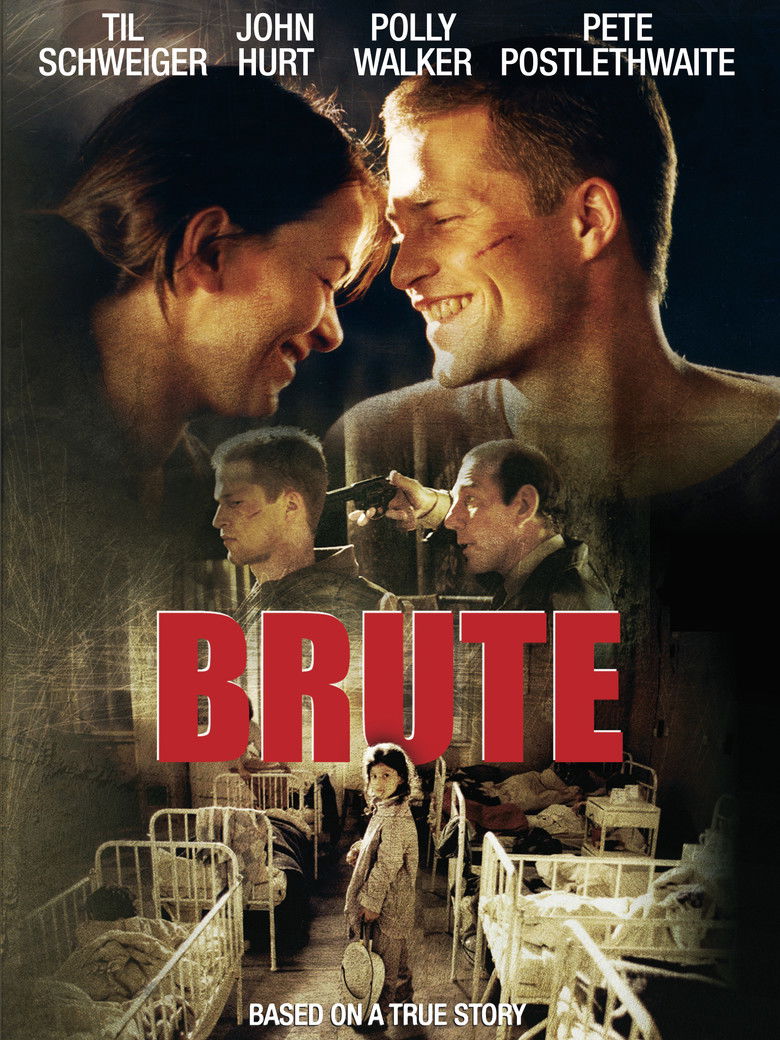
Shipped off to a Romanian orphanage to finish his sentence, a British criminal finds romance but also discovers corruption inside the facility.
Overall Score
Fair
Category Breakdown
LGBTQ+ Representation
The film lacks explicit LGBTQ+ characters or non-heteronormative narratives. It prioritizes a masculine-centric struggle for survival, which tends to marginalize queer identities.
Gender Representation
The narrative focuses heavily on masculine aggression and physical struggle. While romance is mentioned, the character arc is driven by male-coded conflict and traditional gender hierarchies.
Racial & Ethnic Diversity
The Romanian setting provides inherent ethnic diversity through its Eastern European backdrop. A cross-cultural dynamic exists between the British protagonist and the local institutional setting.
Religious & Cultural Diversity
The film critiques institutional power by portraying the orphanage as an oppressive, corrupt site. It moves away from traditional moralism toward a survivalist ethics in a decaying environment.
Disability Representation
There is no evidence regarding the inclusion of characters with physical or neurodivergent disabilities. The focus on physical prowess suggests a lack of nuanced disability representation.
Strengths
Areas for Improvement
AI Analysis
Brute offers a gritty critique of systemic corruption and institutional failure. By framing a state-run orphanage as a site of oppression, the film challenges traditional authority and explores the ethics of survival in decaying social orders. However, the film remains narrow in its character scope. It leans heavily into hyper-masculine archetypes and physical conflict, which limits the breadth of its social exploration. While the Eastern European setting provides a cross-cultural layer, the narrative lacks intersectional depth, focusing primarily on a singular, masculine-driven struggle for survival.
1997
1977
1999
2004
2010
2007
2006
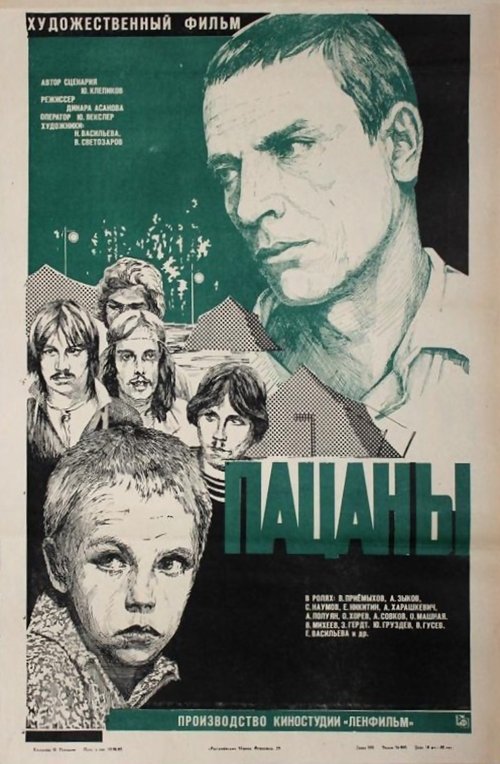
1983
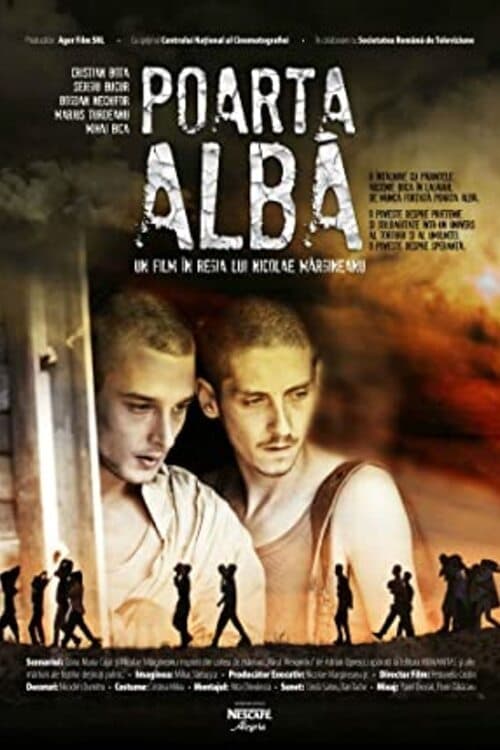
2014
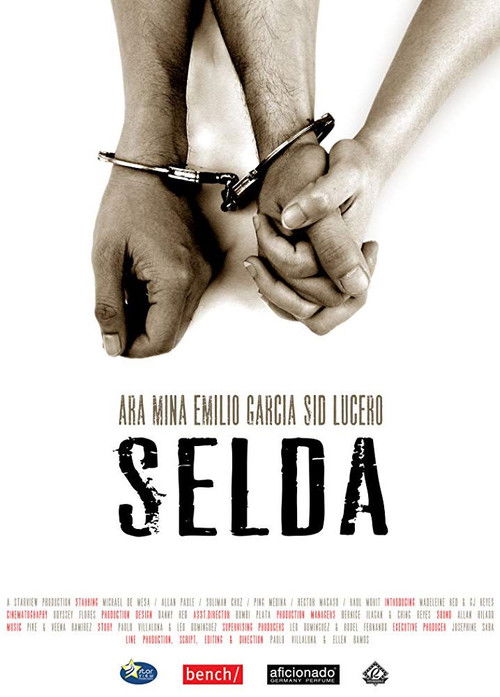
2007
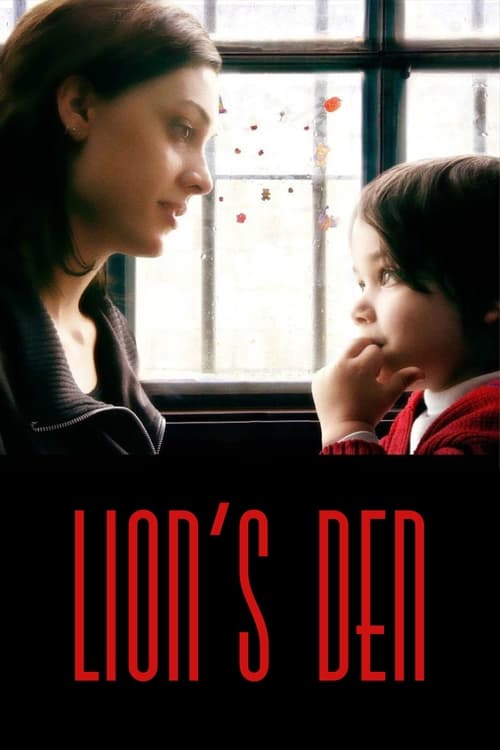
2008
2006
No reviews yet. Be the first to share your thoughts on this movie!
Use the rating form above to leave a star rating and optional review.