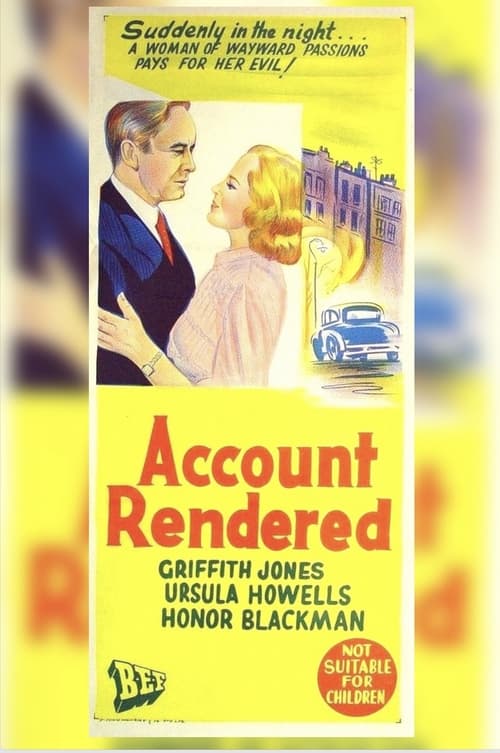
Account Rendered
1957
No user ratings available yet
Representation score: 1.9 out of 10
Representation Score
Minimal
1953
Director
Maurice Elvey
Runtime
72 minutes
Average Rating
No ratings yetNew Showbiz Analysis
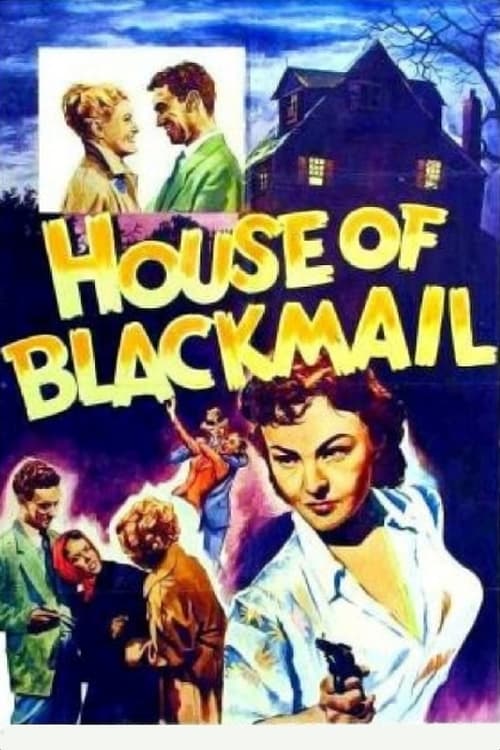
House of Blackmail is a classic mid-century crime drama that emphasizes moral dilemmas and tension over social subversion. It operates within the standard conventions of its era, reinforcing the demographic and social norms of 1950s Britain. The narrative focuses on personal conflicts and legal consequences within a traditional social order, without challenging broader societal structures. Ultimately, the film offers a typical mid-century urban experience that lacks multi-layered breadth or systemic critique.
Category Breakdown
The film strictly follows the social norms of the early 1950s, with no representation of LGBTQ+ identities or non-traditional gender expressions.
The story features a male protagonist and a female antagonist who uses blackmail to exert influence, fitting the traditional femme fatale archetype.
The cast is homogeneous, reflecting the demographics of 1950s Britain, with no significant racial diversity or prominent non-white characters.
The narrative adheres to the moral and legal standards of post-war Britain, focusing on individual actions and social order without critiquing broader institutions.
The film does not feature characters with visible or invisible disabilities, nor does it use disability as a narrative device or plot point.
Present on Screen
Limited or Absent
Official Synopsis
A blackmailer is murdered, and the police find that there is a long list of suspects who wanted to see him dead.
1957
1950
1954
1940
1951
1950
1951
1935
No reviews yet. Be the first to share your thoughts on this movie!
Use the rating form above to leave a star rating and optional review.