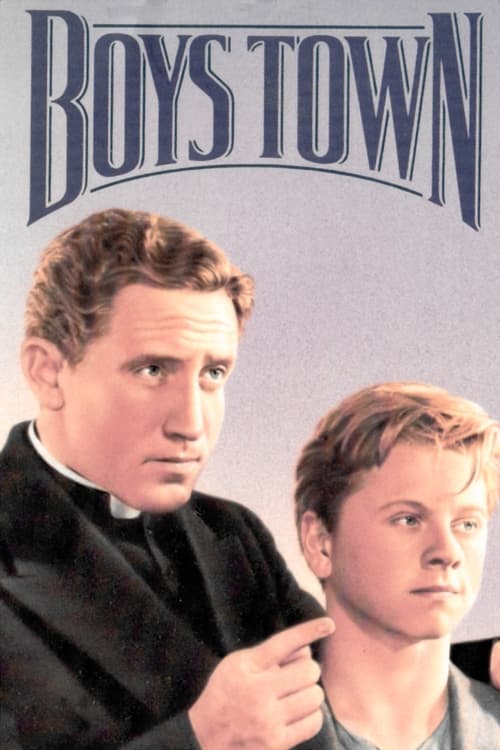
Boys Town
1938
No user ratings available yet
Representation score: 1.3 out of 10
Representation Score
Limited
1961
NRDirector
Irvin Kershner
Runtime
101 minutes
Average Rating
No ratings yetNew Showbiz Analysis
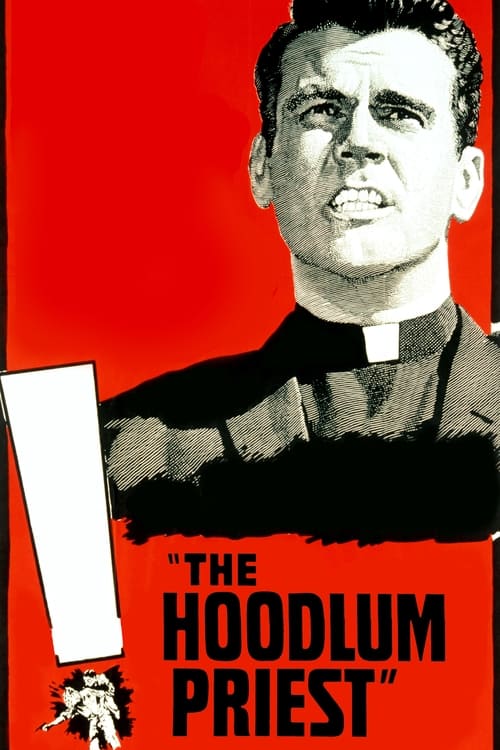
The Hoodlum Priest is a mid-century social drama that prioritizes individual psychological conflict over demographic diversity. The story centers on a Jesuit priest's efforts to rehabilitate ex-convicts in the slums of St. Louis, emphasizing socioeconomic struggle over multi-layered identity. While the film subtly critiques institutional rigidity by showing a priest operating on the fringes of social order, it remains anchored in the traditional hierarchies of its era. The narrative lacks representation of LGBTQ+ identities, diverse racial groups, or characters with disabilities.
Category Breakdown
The film adheres to a structure that assumes everyone is straight or cisgender. It focuses on masculine dynamics between the clergy and the criminal underworld, excluding any non-binary or LGBTQ+ identities.
The story heavily centers on male characters, particularly the priest and his protagonist. Women are portrayed in secondary roles as mothers or romantic figures without much influence over the plot.
The film features a predominantly white cast typical of 1961 cinema. Although it explores class differences, it lacks a diverse range of racial backgrounds.
The film examines the tension between the Catholic Church and the criminal underworld. It suggests that moral redemption might sometimes require actions outside strict institutional rules.
Psychological issues are presented as moral failings or criminal behavior. There is no indication of characters with disabilities being used as meaningful narrative devices.
Present on Screen
Limited or Absent
Official Synopsis
Venturing into some of the roughest slums of St. Louis, Jesuit priest Rev. Charles Dismas Clark dedicates himself to helping young ex-convicts who are struggling to rejoin a society that fears and rejects them. An especially wrenching case for the Reverend is Billy Lee Jackson, a troubled thief whose personal demons constantly tempt him back to a life of crime — and may ultimately make him pay the highest price for a few desperate decisions.
1938
1959
1970

1962

1961
1992

1957

1965
No reviews yet. Be the first to share your thoughts on this movie!
Use the rating form above to leave a star rating and optional review.