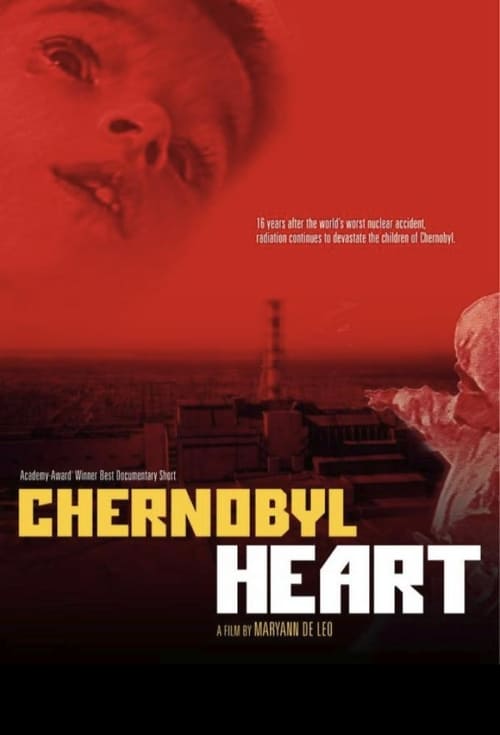
Chernobyl Heart
2003
No user ratings available yet
Representation score: 5.8 out of 10
Representation Score
Good
1987
11Director
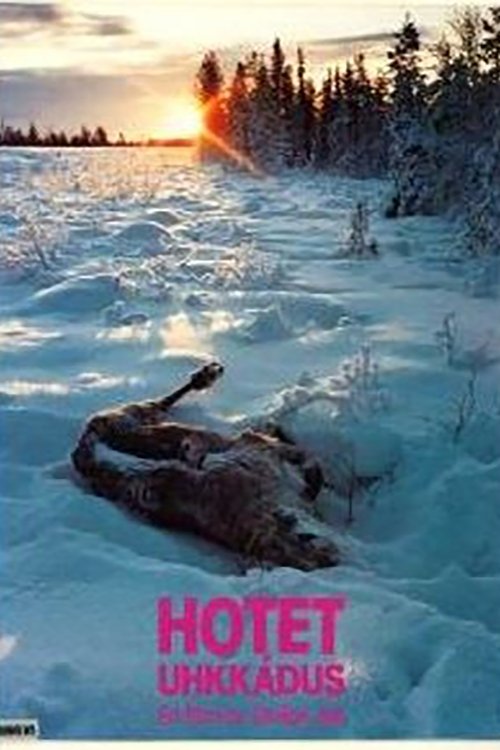
Stefan Jarl
Runtime
71 minutes
Average Rating
No ratings yetNew Showbiz Analysis
Stefan Jarl’s documentary focuses on the environmental and psychological fallout of the Chernobyl disaster in Sweden. The film prioritizes the perspectives of those affected by systemic failures and radioactive poisoning. While the film lacks intentional identity-based representation, it disrupts conventional expectations of institutional reliability. Ultimately, the work is a study of environmental realism and social exclusion.
Category Breakdown
The film does not include explicit LGBTQ+ characters or narratives. Instead, it focuses on the systemic trauma resulting from the Chernobyl disaster.
The narrative centers on psychological alienation and the pressures of a radioactive crisis. It avoids traditional domestic hierarchies to focus on raw human survival and instability.
The subjects likely reflect the demographic reality of 1980s Scandinavia. The film mirrors the homogeneous social landscape of the era without excluding diverse groups.
The film critiques the myth of institutional stability by documenting the fallout of a nuclear catastrophe. It challenges the perceived competence of modern technological and state institutions.
The portrayal of psychological breakdown and environmental threats aligns with depictions of mental health struggles. It views alienation through a lens of lived experience rather than caricature.
Present on Screen
Limited or Absent
Official Synopsis
On Saturday, April 26, spring came to Sweden. That same day, Chernobyl nuclear power plant exploded. Bringing mild winds to Scandinavia. Sweden suffered heavily of radioactive poison.
2003

1984

2019

1983

2016
2006
2006

1999
No reviews yet. Be the first to share your thoughts on this movie!
Use the rating form above to leave a star rating and optional review.