Chernobyl: The Lost Tapes
2022
No user ratings available yet
Diversity score: 6.3 out of 10
2015
Director
Cissie Fan
Runtime
104 minutes
Average Rating
No ratings yetSynopsis
Chai Jing's documentary about the massive smog problem in China. Chai Jing started making the documentary when her as yet unborn daughter developed a tumour in the womb, which had to be removed very soon after her birth. Chai blames air pollution for the tumour. The film, which combines footage of a lecture with interviews and factory visits, has been compared with Al Gore's An Inconvenient Truth in both its style and likely impact. The film openly criticises state-owned energy companies, steel producers and coal factories, as well as showing the inability of the Ministry of Environmental Protection to act against the big polluters.
Overall Score
Good
Category Breakdown
LGBTQ+ Representation
The film focuses on environmental crisis and public health. There is no explicit evidence regarding the inclusion of LGBTQ+ characters or narratives addressing heteronormativity.
Gender Representation
The narrative centers on a female protagonist who uses intellectual rigor to challenge male-dominated industries. This subverts conventional expectations of female passivity in political discourse.
Racial & Ethnic Diversity
The documentary provides a localized perspective on a global issue. It challenges Western-centric environmental discourse by highlighting systemic failures within the Chinese industrial complex.
Religious & Cultural Diversity
The film critiques traditional institutions, such as state-owned energy companies, for prioritizing industrial output over human life. It frames the citizenry as victims of large-scale capital.
Disability Representation
A personal medical crisis involving a fetal tumor serves as the central catalyst. This links physical vulnerability directly to systemic environmental negligence and the pursuit of truth.
Strengths
Areas for Improvement
AI Analysis
China's Haze: Under the Doom is a powerful investigative documentary that centers on a female voice challenging massive, male-dominated industrial structures. By using a personal medical crisis as a catalyst, the film connects individual physical vulnerability to systemic environmental negligence. The film excels in its cultural critique, deconstructing the efficacy of state institutions and prioritizing social welfare over industrial output. It offers a vital non-Western perspective on the global environmental crisis. However, the film lacks engagement with LGBTQ+ themes and remains focused on a specific domestic context. While it subverts gendered political expectations, it does not address broader identity-based diversity beyond its central protagonist.
2022

2018
2018
2012
2015

2011
1999

2018
2017
2021

2009
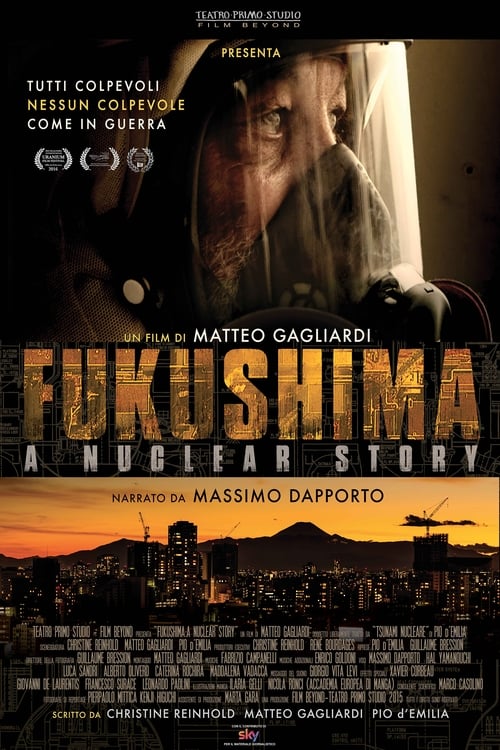
2015
No reviews yet. Be the first to share your thoughts on this movie!
Use the rating form above to leave a star rating and optional review.