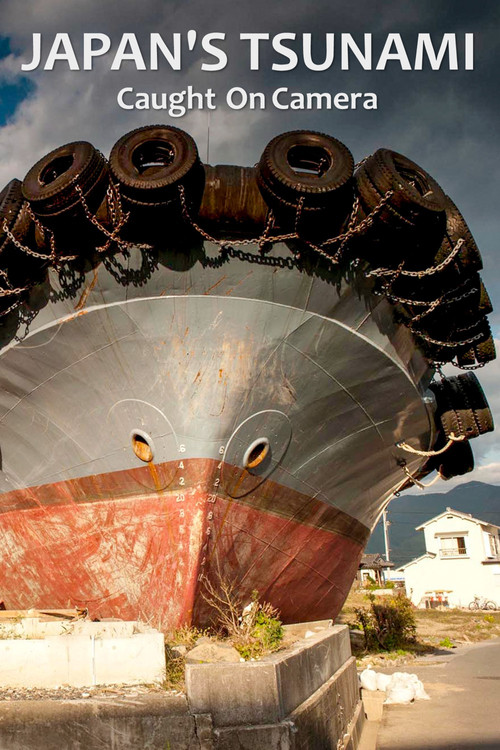
Japan's Tsunami: Caught on Camera
2011
No user ratings available yet
Representation score: 5.8 out of 10
No Poster Available
Representation Score
Good
2012
TV-PGDirector
Stu Levy
Runtime
91 minutes
Average Rating
No ratings yetNew Showbiz Analysis
Pray for Japan is an observational documentary that centers on the survivors in Ishinomaki. It provides an authentic platform for a non-Western population during a time of systemic collapse. The film does not aim to break down social hierarchies or promote specific identity politics. Instead, it uses a humanitarian lens to document the lives of those affected by a major natural disaster. While the documentary offers significant representation of Japanese citizens, it does not explore LGBTQ+ identities or challenge traditional gender roles, resulting in a moderate diversity profile.
Category Breakdown
The documentary focuses on the immediate humanitarian aftermath of the Tohoku earthquake and tsunami. There are no LGBTQ+ characters or stories about non-straight relationships.
The film uses perspectives from school and family life, which include various gender roles. However, it emphasizes the collective human experience rather than challenging traditional gender roles.
By centering the narrative on Japanese citizens in Ishinomaki, the film shifts away from a Western perspective. Including an American filmmaker adds a cross-cultural viewpoint.
The film captures a society dealing with extreme crisis without pushing specific religious beliefs. It serves as a testament to human resilience during the breakdown of social structures.
The focus on survivors dealing with major challenges suggests the inclusion of individuals with physical or emotional trauma. These individuals are shown taking control as they navigate the recovery process.
Present on Screen
Limited or Absent
Official Synopsis
On March 11, 2011, Japan's Tohoku coastal region was destroyed by a 9.0 magnitude earthquake and devastating tsunami that followed. PRAY FOR JAPAN takes place in the devastated region of Ishinomaki, Miyagi - the largest coastal city in Tohoku with a population of over 160,000 people. Filmmaker Stu Levy - an American living in Japan - filmed the tsunami aftermath during his trips to Tohoku as a volunteer and over a period of 6 weeks, captured over 50 hours of footage. PRAY FOR JAPAN focuses on four key perspectives of the tragedy - School, Shelter, Family, and Volunteers. With each perspective we meet victims who faced significant obstacles and fought to overcome them. Through these four vantage points, the audience is able to understand the vast ramifications of this large-scale natural disaster - and the battle these real-life heroes fought on behalf of their loved ones and their hometown.
2011
2013

2011
2016

2009
2022

2016
2010
No reviews yet. Be the first to share your thoughts on this movie!
Use the rating form above to leave a star rating and optional review.