
Maidan
2014
No user ratings available yet
Representation score: 8.0 out of 10
Representation Score
Good
2015
Not RatedDirector
Sergei Loznitsa
Runtime
74 minutes
Average Rating
No ratings yetNew Showbiz Analysis
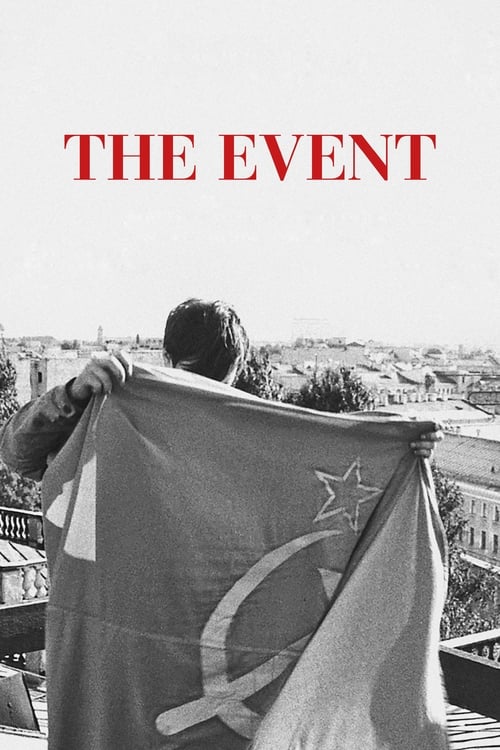
The Event serves as a documentary analysis of the 1991 Soviet coup, emphasizing the collective experience of the masses over individual stories. Its focus on systemic collapse and political tension limits the depth of specific demographic representation. However, it provides significant progressive value through its critique of institutional power and presents a complex, non-triumphalist view of political transition. Ultimately, the film studies the collapse of an empire, highlighting the collective struggle of citizens over individual character arcs.
Category Breakdown
The film focuses on political events without addressing LGBTQ+ identities or non-binary gender expressions.
Women play active roles in civic resistance alongside men, but there is no deep exploration of gender dynamics.
The film captures a diverse range of people in Moscow and Leningrad, focusing on political tensions rather than ethnic intersectionality.
The film highlights the breakdown of Soviet institutions and the chaotic moral ambiguity during the transition period.
The documentary does not focus on disability or neurodivergence, and any instances of physical distress are incidental to the civil unrest.
Present on Screen
Limited or Absent
Official Synopsis
In August 1991 a failed coup d'état attempt (known as Putsch) led by a group of hard-core communists in Moscow, ended the 70-year-long rule of the Soviets. The USSR collapsed soon after, and the tricolour of the sovereign Russian Federation flew over Kremlin. As president Gorbachev was detained by the coup leaders, state-run TV and radio channels, usurped by the putschists, broadcast Tchaikovsky's "Swan Lake" instead of news bulletins, and crowds of protestors gathered around Moscow's White House, preparing to defend the stronghold of democratic opposition led by Boris Yeltsin, in the city of Leningrad thousands of confused, scared, excited and desperate people poured into the streets to become a part of the event, which was supposed to change their destiny. A quarter of a century later, Sergei Loznitsa revisits the dramatic moments of August 1991 and casts an eye on the event which was hailed worldwide as the birth of "Russian democracy".
2014
2013
2015
1928
2018
2017
2012
2012
No reviews yet. Be the first to share your thoughts on this movie!
Use the rating form above to leave a star rating and optional review.