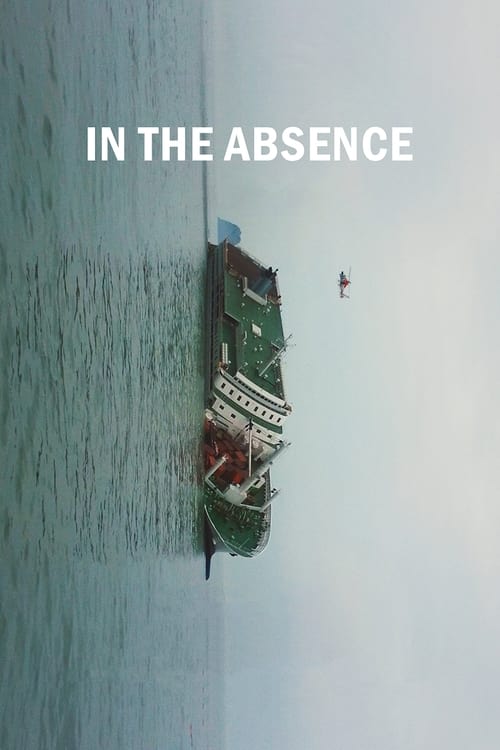
In the Absence
2018
No user ratings available yet
Representation score: 9.0 out of 10
Representation Score
Good
2014
Director
Lee Sang-ho, Ahn Hae-ryong
Runtime
77 minutes
Average Rating
No ratings yetNew Showbiz Analysis
The documentary is a powerful piece of social realism, focusing on the struggle of families against negligent state institutions. It centers the roles of women and the collective grief of a community, subverting traditional power hierarchies. While it lacks explicit LGBTQ+ or multi-ethnic representation, it avoids Western-centric narrative norms by offering a deeply authentic South Korean perspective. The film also provides a nuanced portrayal of psychological trauma and the impact of invisible disabilities.
Category Breakdown
The film focuses on the immediate family structures of the victims. It does not explicitly address LGBTQ+ or non-assuming gender matches what was assigned at birth identities.
Mothers are portrayed as the main drivers of the search for truth. The narrative highlights their transition from private mourning to significant public activism.
The cast is ethnically homogeneous due to the specific national tragedy. However, it provides an authentic, non-Western perspective on systemic failure.
The film critiques state institutions and the corruption of official authority. It centers on the lived experiences of families rebelling against a broken system.
The documentary captures the profound psychological and emotional trauma experienced by survivors. It offers a nuanced look at mental health within a systemic crisis.
Present on Screen
Limited or Absent
Official Synopsis
A documentary on the South Korean ferry disaster that claimed the lives of more than 300 passengers in April, 2014.
2018

2015

2018

2016

2012

2025

2014

2013
No reviews yet. Be the first to share your thoughts on this movie!
Use the rating form above to leave a star rating and optional review.