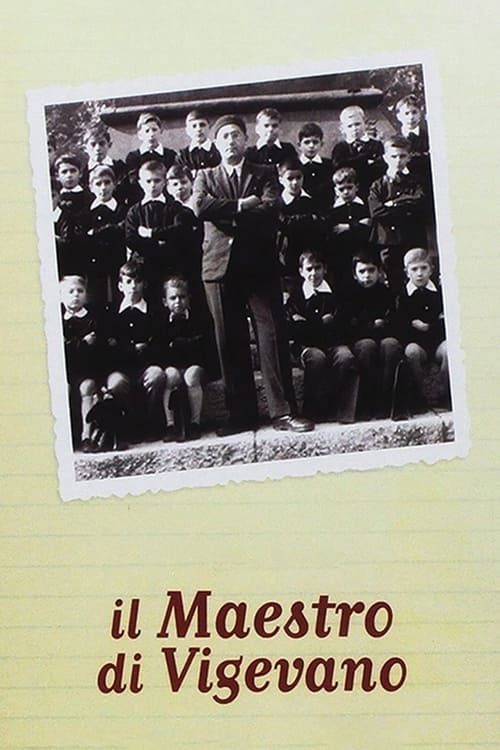
The Teacher from Vigevano
1963
No user ratings available yet
Representation score: 3.1 out of 10

Representation Score
Fair
1960
Director
Mario Camerini
Runtime
105 minutes
Average Rating
No ratings yetNew Showbiz Analysis
Mario Camerini’s film offers a sophisticated look at the Roman artistic community, distinguished by its progressive handling of LGBTQ+ identity. By giving a gay gallery owner professional influence and social integration, the film avoids the reductive clichés common to its era. While the film excels in providing character's ability to drive the story for queer figures, it remains a product of its time regarding other demographics. The narrative is centered on the professional struggles of male artists, and the cast lacks racial diversity, reflecting the localized Roman setting of 1960. Ultimately, the film's strength lies in its deconstruction of traditional authority and its focus on social alienation. It provides a nuanced portrait of a fractured social order through the eyes of a disillusioned artist class.
Category Breakdown
A gay gallery owner plays a central role in the artist community and influences the protagonists' careers without being sidelined or treated as a joke.
Female characters play roles in the neighborhood's social ecosystem. However, the narrative focuses primarily on the professional struggles of male artists, without challenging traditional gender hierarchies.
The cast is largely homogeneous, reflecting the specific socioeconomic stratum of 1960s Rome. There is little evidence of racial blending or non-majority casting.
The film explores post-war social disillusionment and moral relativism. It prioritizes the subjective experiences of the artist class over traditional religious or patriotic ideals.
There are no prominent depictions of physical or neurodivergent disabilities that drive the narrative.
Present on Screen
Limited or Absent
Official Synopsis
The trials and tribulations of a group of artist friends and a gay gallery owner living in the Via Margutta neighbourhood of Rome. Stefano is a talented painter, devoted to his art but not interested in promoting himself, while many of his fellow artists are far more adept at selling their persona than creating art.
1963
1950
1976
1977

1949

2013
1972
1963
No reviews yet. Be the first to share your thoughts on this movie!
Use the rating form above to leave a star rating and optional review.