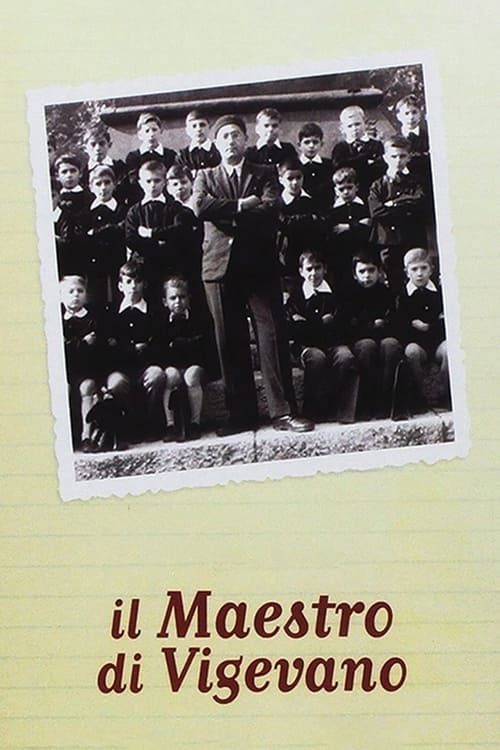
The Teacher from Vigevano
1963
No user ratings available yet
Representation score: 3.1 out of 10
Representation Score
Fair
1977
Director
Mario Monicelli
Runtime
122 minutes
Average Rating
No ratings yetNew Showbiz Analysis
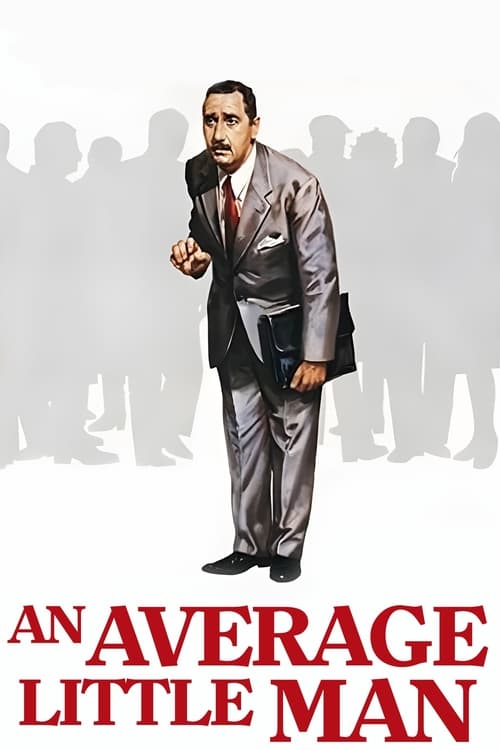
Mario Monicelli’s film is a biting sociological critique that prioritizes class and institutional corruption over demographic diversity. It succeeds as a subversive satire, deconstructing the moral decay of the middle class and the hollow nature of bureaucratic careerism. However, the film is limited by its narrow demographic focus. It lacks meaningful representation of LGBTQ+ identities and racial diversity, remaining rooted in a homogeneous Italian social landscape. While it challenges social hierarchies, it does so through a very specific, localized lens. Ultimately, the work trades demographic inclusivity for deep thematic subversion. It is a study of systemic corruption rather than a diverse tapestry of human experience.
Category Breakdown
The film focuses on the personal and professional concerns of a middle-aged man. It does not include explicit representations of LGBTQ+ identities or stories of liberation, staying within traditional structures that assume everyone is straight.
Women appear in the domestic sphere, but their influence is often shaped by the central male figure. The film avoids idealized clichés, offering a cynical look at the nuclear family.
The cast and setting are predominantly uniform, reflecting the socio-economic context of 1970s Italy. The narrative does not emphasize a multicultural or layered approach to diversity.
The film sharply critiques middle-class stability and Western institutional values. It portrays the pursuit of social status as a descent into moral relativism and systemic corruption.
There is no evidence of characters with visible or invisible disabilities playing a key role in the narrative or serving as central themes.
Present on Screen
Limited or Absent
Official Synopsis
A middle-aged government accountant is determined to secure a stable job for his son before retiring, willing to go to great lengths to achieve his goal.
1963
1976
1967
1983

1972

1979
1954
1988
No reviews yet. Be the first to share your thoughts on this movie!
Use the rating form above to leave a star rating and optional review.