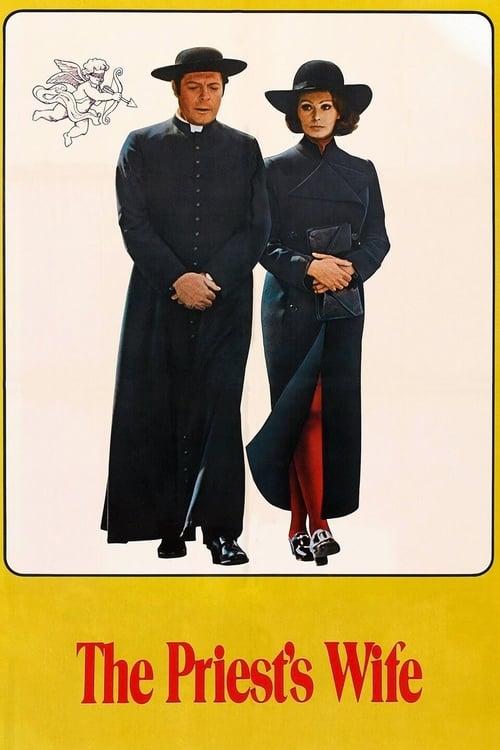
The Priest's Wife
1970
No user ratings available yet
Diversity score: 3.9 out of 10
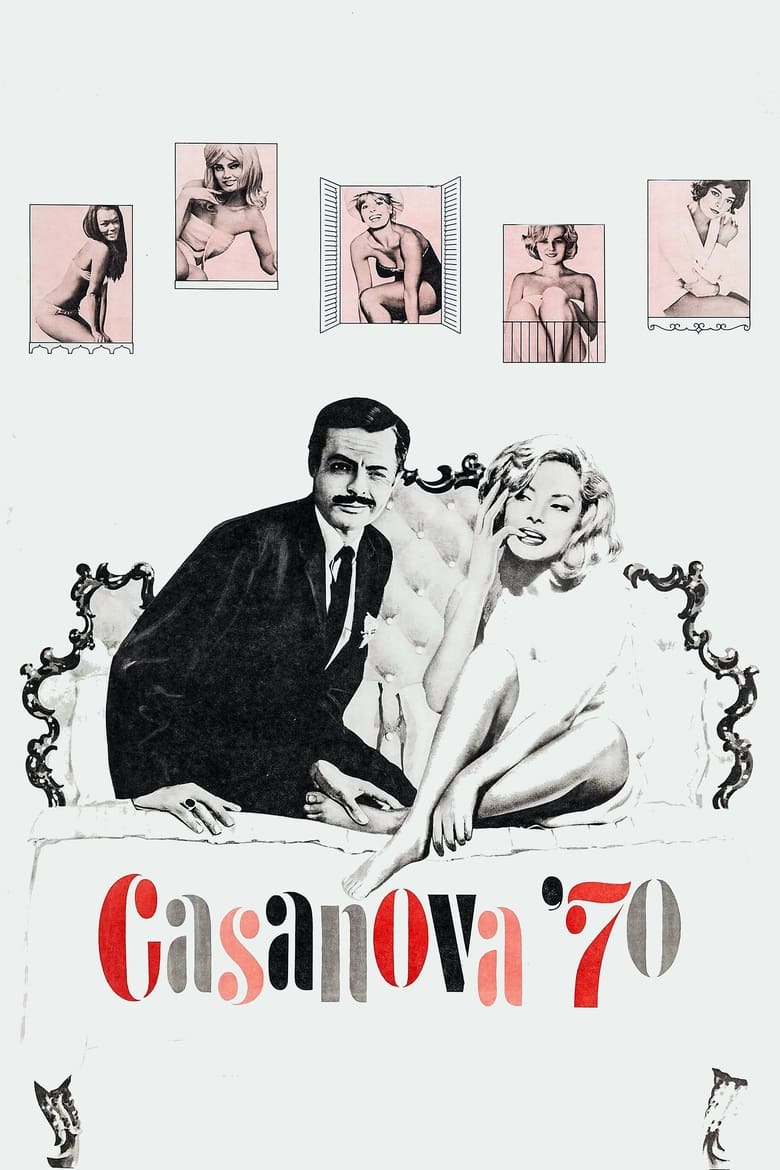
1965
Director
Mario Monicelli
Runtime
110 minutes
Average Rating
No ratings yetSynopsis
The amorous adventures of Andrea Rossi-Colombotti, an army officer who finds pleasure with beautiful women in life-threatening situations.
Overall Score
Limited
Category Breakdown
LGBTQ+ Representation
The film lacks LGBTQ+ characters or narratives. Romantic arcs are strictly confined to traditional heteronormative structures centered on the protagonist's pursuit of women.
Gender Representation
Women are central to the plot but often function as objects of desire. The film utilizes period-specific archetypes and lacks a systemic subversion of patriarchal hierarchies.
Racial & Ethnic Diversity
The cast is ethnically homogeneous, reflecting the 18th-century Venetian setting. There is no evidence of color-blind casting or non-Western characters.
Religious & Cultural Diversity
The film offers a moderate score by using a trickster archetype to critique aristocratic social mores. It celebrates moral relativism over rigid institutional morality.
Disability Representation
There are no prominent depictions of visible or invisible disabilities. No characters appear to have disabilities that serve as central narrative drivers.
Strengths
Areas for Improvement
AI Analysis
Casanova ’70 is a character-driven comedy that prioritizes wit and individual agency over demographic variety. While it offers a subtle critique of rigid social institutions through its protagonist's deceptions, it remains anchored in the social constraints of its historical setting. The film's lack of intersectional casting and its adherence to traditional gender roles limit its progressive impact. It functions primarily as a study of situational ethics within a highly structured 18th-century framework.
1970

1954
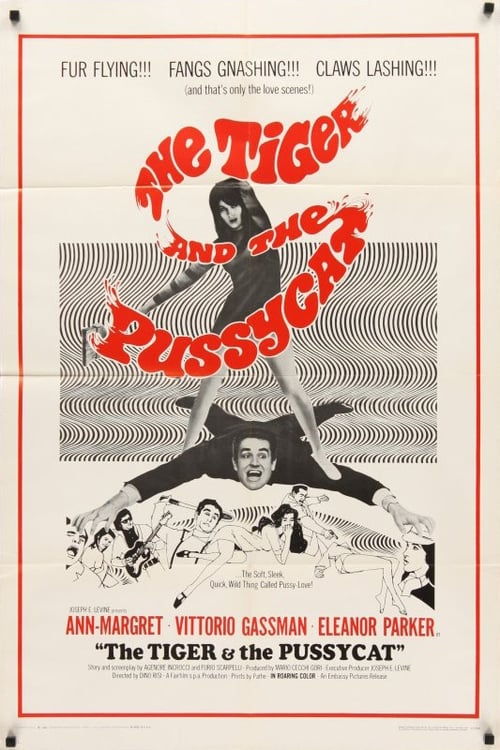
1967

1954

1963

1964

1950

1962

1977
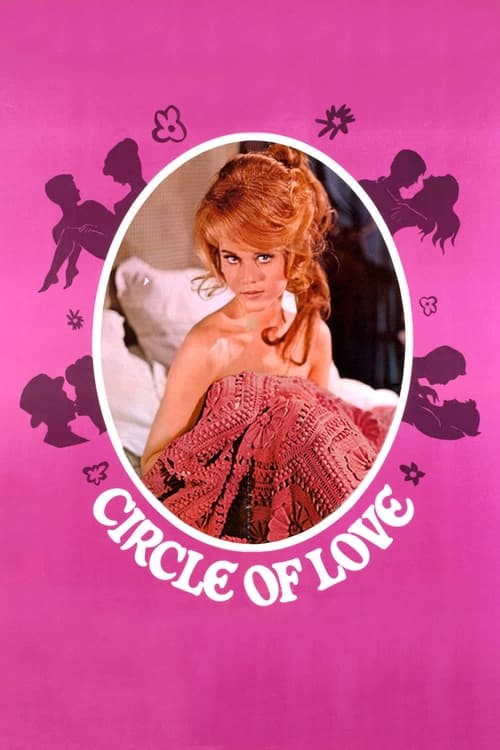
1964

1960
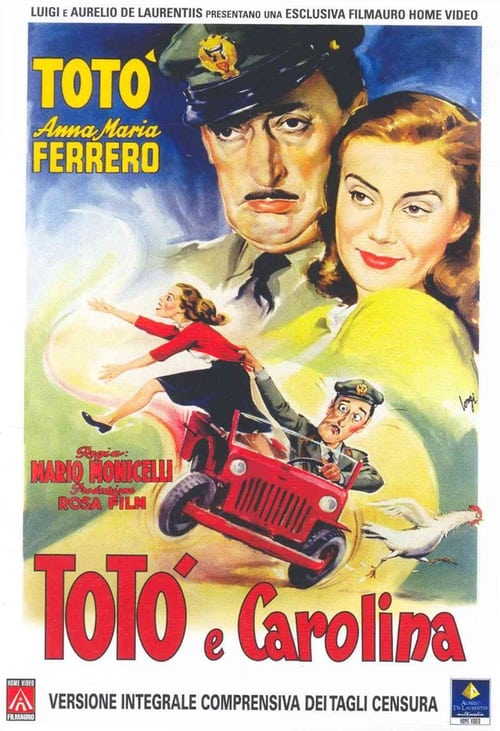
1955
No reviews yet. Be the first to share your thoughts on this movie!
Use the rating form above to leave a star rating and optional review.