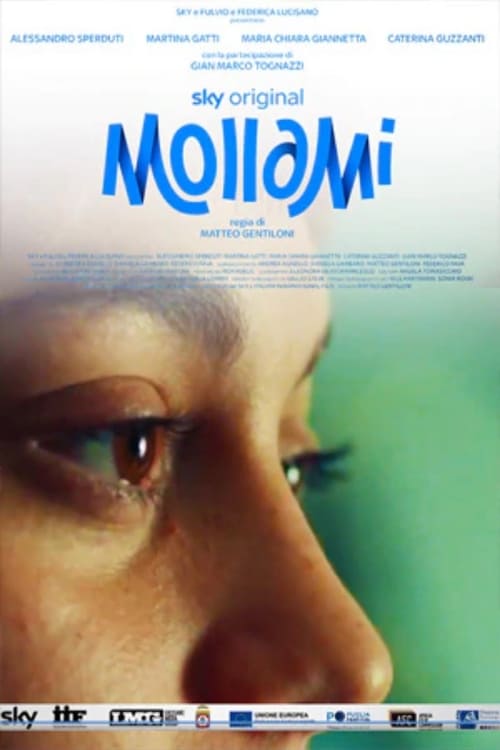
Mollami
2019
No user ratings available yet
Representation score: 4.8 out of 10

Representation Score
Good
2013
Director
Daniele Luchetti
Runtime
100 minutes
Average Rating
No ratings yetNew Showbiz Analysis
Daniele Luchetti’s drama succeeds as a period-specific examination of social friction and institutional critique. It excels at deconstructing mid-20th-century social norms through the lens of 1970s Italian radicalism. However, the film is limited by its localized historical focus. The lack of racial and LGBTQ+ diversity reflects the specific socio-cultural context of the 'Years of Lead' rather than a modern multi-layered approach. Ultimately, the film is a study of shifting political morality. It trades broad demographic representation for a deep, culturally specific exploration of systemic power structures.
Category Breakdown
The film captures the social liberation of the era but doesn't include prominent LGBTQ+ characters or arcs. Romantic relationships stay within traditional boundaries.
Women play central roles in the era's intellectual upheaval, taking active parts in public and political spheres. They are not sidelined or relegated to minor roles.
The cast is primarily made up of actors from similar backgrounds, reflecting the demographics of 1970s Italy. The film prioritizes historical accuracy over modern multi-layered casting.
The story offers a sophisticated critique of political and capitalist institutions. It explores the tension between youth radicalism and the state.
Characters are defined by their political affiliations and social statuses. There is no significant representation of visible or invisible disabilities.
Present on Screen
Limited or Absent
Official Synopsis
A narcissistic artist's world turns upside down after his wife's affair and a disastrous exhibition of his work.
2019

2003
2019

2001

2011
2023

2023

2011
No reviews yet. Be the first to share your thoughts on this movie!
Use the rating form above to leave a star rating and optional review.