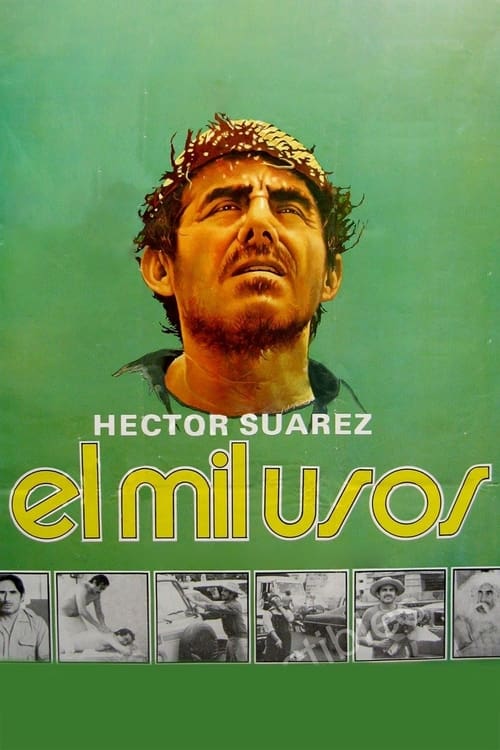
El mil usos
1981
No user ratings available yet
Representation score: 6.8 out of 10
Representation Score
Fair
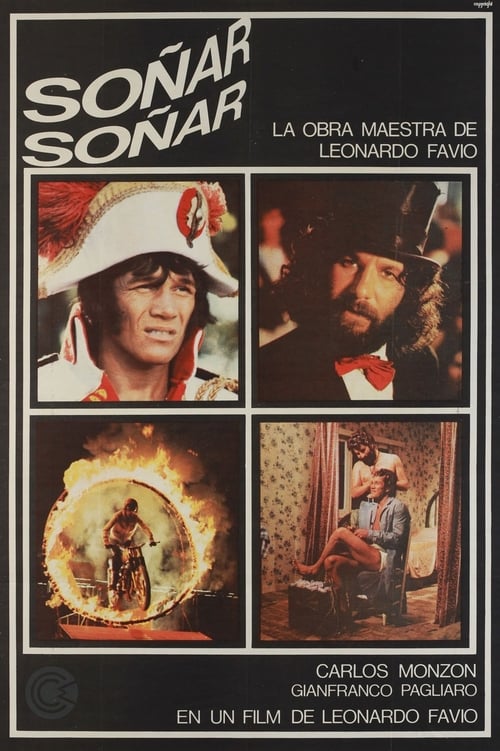
1976
Director
Leonardo Favio
Runtime
85 minutes
Average Rating
No ratings yetNew Showbiz Analysis
Leonardo Favio’s work exemplifies Third Cinema, using poetic realism to challenge Hollywood-centric narratives. The film’s strength lies in its structural resistance to Western narrative dominance, focusing on the underrepresented individual and subjective experience. While the film lacks explicit representation of certain identities, it provides a powerful critique of socioeconomic constraints and the limitations of rural life. Ultimately, it prioritizes internal truth and ability to act over conventional clichés, making it a vital piece of Latin American cinema.
Category Breakdown
The film does not include explicit LGBTQ+ characters or identities that challenge the assumption that everyone is straight or cisgender. Instead, it focuses on the internal psychological experiences of the main characters and their relationship with the environment.
The film challenges traditional gender roles by emphasizing the female perspective and bodily autonomy. It prioritizes the woman's inner world rather than patriarchal structures or domestic roles.
The film reflects the demographics of rural Argentina through a post-colonial lens. Its visual style centers the Latin American subject and resists the colonial gaze.
The narrative employs moral relativism to highlight subjective, dream-like realities over external social norms. It critiques socioeconomic structures and the limitations faced by the working class.
The film does not depict physical or neurodivergent disabilities as central plot devices or character traits.
Present on Screen
Limited or Absent
Official Synopsis
Mario, “el Rulo,” is a wanderer who travels the country giving artistic performances. One day he passes through the town of Carlos, a municipal employee who dreams of being an artist. A friendship is born between the two of them, and Carlos leaves it all behind to follow Mario.
1981

1962

1962
1981

1977
2003
1969
1949
No reviews yet. Be the first to share your thoughts on this movie!
Use the rating form above to leave a star rating and optional review.