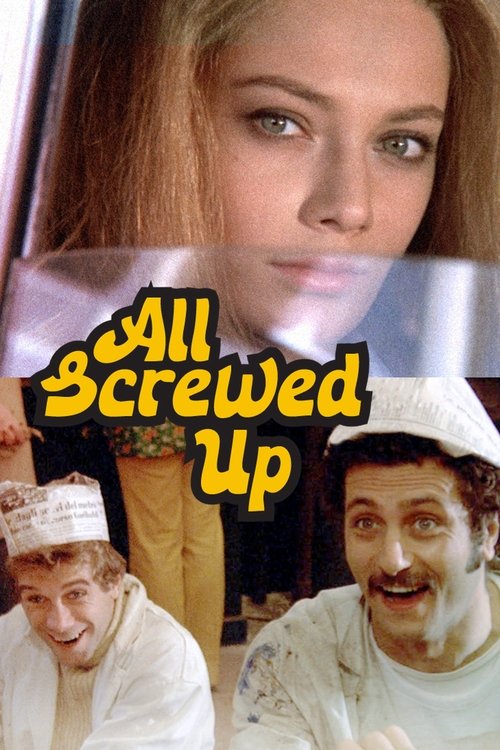
All Screwed Up
1974
No user ratings available yet
Representation score: 6.5 out of 10
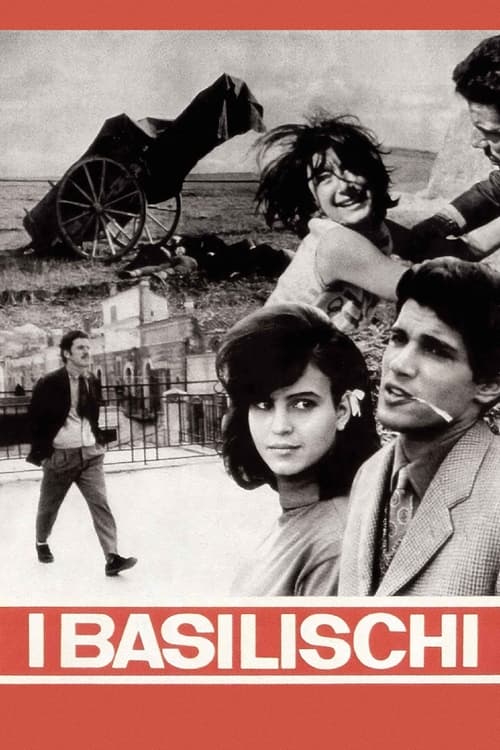
Representation Score
Good
1963
Not RatedDirector
Lina Wertmüller
Runtime
85 minutes
Average Rating
No ratings yetNew Showbiz Analysis
Lina Wertmüller uses this drama to explore class struggle and the tension between personal desires and socio-economic constraints. The film's strength lies in its critical examination of how oppressive economic structures force characters into non-conformist behaviors. While the film lacks explicit representation of LGBTQ+ identities or racial diversity, it provides a meaningful critique of traditional Western institutions. By focusing on the underrepresented Southern identity, it serves as a proxy for broader systemic inequality. Ultimately, the work prioritizes the subversion of social hierarchies over singular moralistic storytelling, making it a significant study of regional and class-based stratification.
Category Breakdown
The film centers on the daily struggles of young men in a poor Italian village. There are no clear representations of LGBTQ+ identities or specific queer narratives.
The movie examines how traditional gender roles are disrupted in a underrepresented environment. It challenges the stability of patriarchal leadership and rigid social norms.
The cast is predominantly made up of Southern Italians, reflecting the village's homogeneity. However, the film critiques the hierarchical divisions and the exclusion of the impoverished South by the North.
The film delves into the failures of capitalism and portrays traditional institutions like family and local authority as sources of corruption and stagnation.
There is no evidence that neurodivergence or physical disabilities play a central role in the character arcs. These conditions appear only as markers of poverty.
Present on Screen
Limited or Absent
Official Synopsis
Francesco, Sergio, and Antonio, three young men in a small, poverty-stricken village, lead uneventful lives. As all three are unemployed, they pass time roaming the streets and chasing girls. One day, Antonio's aunt asks him to stay with her and his cousins in Rome. He accepts and enrolls at a university, leaving his two friends behind to envy him for his new upscale lifestyle. But eventually Antonio returns, initially just for a day. Though he boasts about his life, he never returns to Rome and instead opts for his friends and the place he grew up, despite all its shortcomings.
1974
1978

1954

1962
1954

1962

2019

1975
No reviews yet. Be the first to share your thoughts on this movie!
Use the rating form above to leave a star rating and optional review.