There Once Was a Singing Blackbird
1970
No user ratings available yet
Representation score: 5.7 out of 10
Representation Score
Fair
1986
Director
Suzanne Osten
Runtime
109 minutes
Average Rating
No ratings yetNew Showbiz Analysis
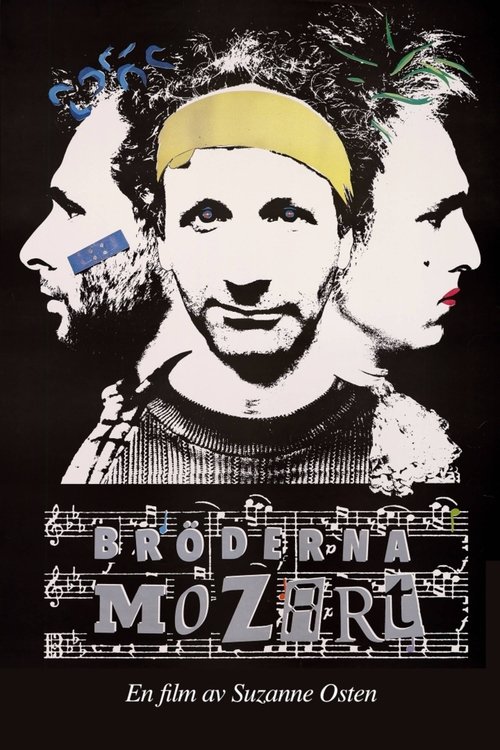
The Mozart Brothers serves as a sophisticated critique of artistic and social hierarchies. It challenges the 'great man' mythos by using a female director to deconstruct classical, male-dominated works like Mozart's Don Giovanni. While the film excels in critiquing gender hierarchies and cultural institutions, it lacks visible racial and LGBTQ+ representation. Its strength lies in its postmodern approach to institutional order, even if it doesn't include a broad range of multi-layered identities.
Category Breakdown
The film offers an avant-garde take on Don Giovanni, which might challenge traditional sexual politics. However, it does not confirm any specific LGBTQ+ identities or same-sex relationships.
Suzanne Osten directs the film, challenging the 'great male auteur' cliché by putting a woman in charge. Her chaotic personal life critiques traditional male leadership.
The production centers on the Swedish theater scene and the Western classical canon. There is no visible diversity in race or ethnicity among the performers.
The narrative deconstructs Western high culture through a postmodern lens. It emphasizes professional chaos and subjective expression over strict institutional standards.
The film does not provide any evidence of characters with visible or invisible disabilities.
Present on Screen
Limited or Absent
Official Synopsis
This is a comedy about people who work in the theater, live for the theater, think of nothing but the theater. The director seems crazy, the art director has idiotic ideas, and the acting coach is eccentric: they even look like brothers, related by their common obsession for the theater, linked as one with the actors. The new project is Mozart's Don Giovanni, in which the director insists to give it a brand new interpretation and an avant-garde treatment. Now, he has to deal with the violent objection from the actors, the musicians, the singing coach, the stage manager, and even the cafe bar attendants and the cleaners. The situation is further complicated as the director is such a womanizer like Don Juan... and his lovers and kids keep bugging him throughout the rehearsal...
1970
1979
2013
1973
1991
1992
1985
1999
No reviews yet. Be the first to share your thoughts on this movie!
Use the rating form above to leave a star rating and optional review.