
On the Banks of the Niemen
1987
No user ratings available yet
Representation score: 4.8 out of 10
Representation Score
Limited
1973
Director
Jan Rybkowski
Runtime
166 minutes
Average Rating
No ratings yetNew Showbiz Analysis
The Peasants functions as a study of social realism, emphasizing the exploration of class and communal dynamics over modern identity politics. It captures the detailed realities of a closed Polish hamlet, focusing on how societal pressures shape individual actions. While the film lacks contemporary demographic diversity, it excels in its sophisticated critique of traditional social hierarchies. It challenges idealized views of community by highlighting the violence and irrationality inherent in mob justice. Ultimately, the work is a period-specific exploration of how rigid social structures and religious superstitions shape human behavior within a traditionalist society.
Category Breakdown
The film is set in the 19th-century agrarian life, which follows traditional structures where everyone is assumed to be straight and cisgender. There are no same-sex relationships or non-cisgender identities represented.
The story shows a strict gender hierarchy where women face social consequences based on their sexuality. Femininity is portrayed through the judgment and stigma from the community.
The film focuses on a homogeneous ethnic landscape typical of its Polish setting. It emphasizes internal class dynamics without addressing racial or multi-layered diversity.
The narrative provides a critical look at traditional institutions by showing the village as a place of superstition and mob mentality. It questions the stability of moral norms.
There are no characters with visible or invisible disabilities given significant roles or ability to act. The focus is on socioeconomic and psychological struggles.
Present on Screen
Limited or Absent
Official Synopsis
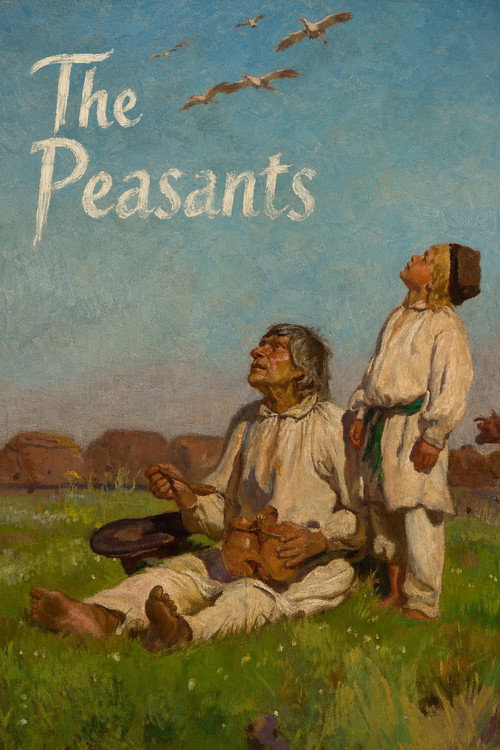
In a bucolic Polish hamlet, the tense relationship between a father and son reaches a boiling point when the men lose their hearts to the same woman and vie for her affections. Based on Wladyslaw Reymont's Nobel Prize-winning book and helmed by Jan Rybkowski, this theatrical release (starring Krzystof Chamiec, Wladyslaw Hancza and Emilia Krakowska) was culled from a 13-episode miniseries that aired on Polish television in 1972.
1987
1965
1970
1978
1988
1982
1949
1991
No reviews yet. Be the first to share your thoughts on this movie!
Use the rating form above to leave a star rating and optional review.