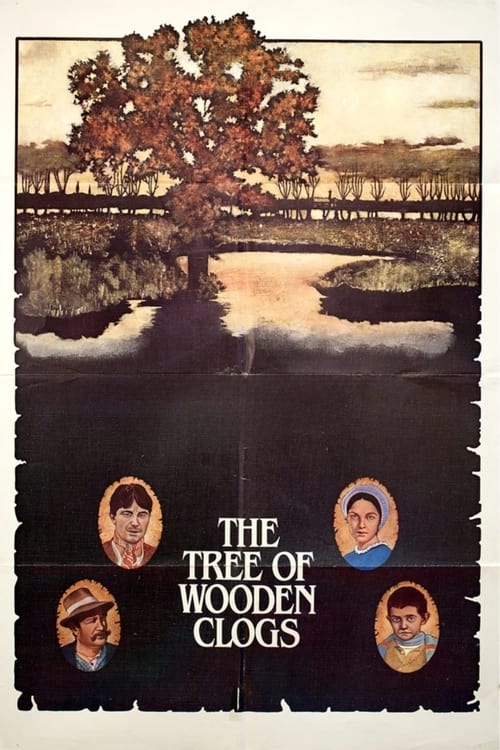
The Tree of Wooden Clogs
1978
No user ratings available yet
Representation score: 1.5 out of 10
Representation Score
Limited
1980
Director
Claude Chabrol
Runtime
120 minutes
Average Rating
No ratings yetNew Showbiz Analysis
Claude Chabrol’s period drama serves as a historical ethnographic study of early 20th-century Brittany. The narrative prioritizes the preservation of cultural memory and the depiction of traditional social hierarchies within a peasant setting. Due to its adherence to the historical context, the film focuses on the continuity of the family unit rather than challenging social norms. This traditional approach limits the representation of diverse identities. The film’s strength lies in its authentic portrayal of regional customs and the tension between religious institutions and the Republican state.
Category Breakdown
The film focuses on the reproductive and social continuity of a multi-generational Breton household. There is no representation of non-straight or non-cisgender identities, nor does it challenge the assumption that everyone is straight or cisgender.
The film highlights a traditional division of labor between men and women, reflecting the social norms of the time. Women play a significant role in maintaining the household, but there is no challenge to patriarchal structures.
The cast is predominantly made up of individuals from similar ethnic backgrounds, reflecting the rural population of Brittany in the early 1900s. The film emphasizes the unique cultural identity of the Breton people.
The narrative explores the tension between the Catholic Church and the Republican state, documenting the coexistence of religion and political identity amid systemic hardships.
The film does not provide any specific representation of physical or neurodivergent disabilities.
Present on Screen
Limited or Absent
Official Synopsis
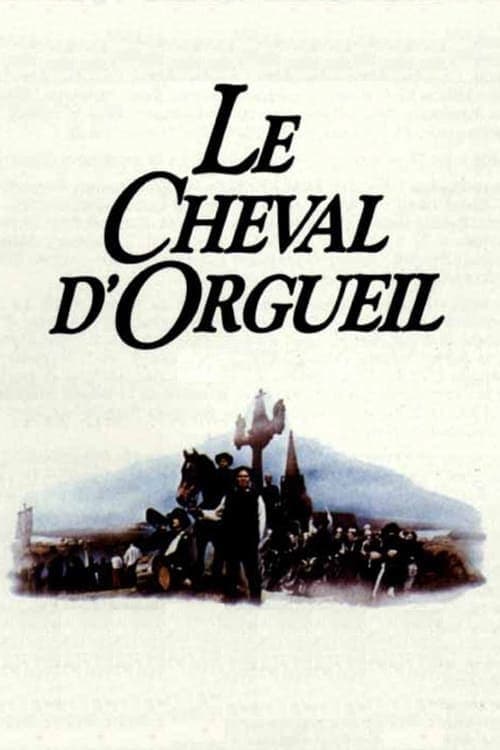
In early twentieth-century Brittany, two peasants marry, have a son, and live in traditional Breton ways: three generations under one roof, a division of labor between the sexes, elders' stories at night, politics and religion during their little free time. Times are hard: la Chienne du Monde drives some to suicide; Ankou (death) is close at hand. Pierre is born into this republican family, his lyric childhood interrupted by the outbreak of war and his father's conscription. He learns his catechism and, as a child of a Reds, also reveres school. His grandfather and father often put him on their shoulders, giving him a ride on the horse of pride.
1978
1984
1973
2015
1955
1981
1996
1963
No reviews yet. Be the first to share your thoughts on this movie!
Use the rating form above to leave a star rating and optional review.