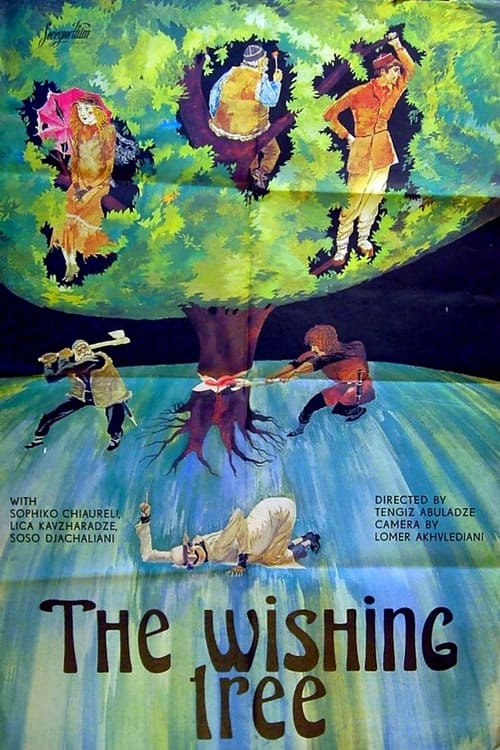
The Wishing Tree
1976
No user ratings available yet
Representation score: 3.8 out of 10

Representation Score
Limited
1957
Director
Mikheil Chiaureli
Runtime
79 minutes
Average Rating
No ratings yetNew Showbiz Analysis
Otar's Widow is a period drama that emphasizes class conflict and Georgian cultural identity. It critiques historical feudal structures, using the struggle between serfs and landowners to drive its emotional core. Though the film lacks modern characters who reflect more than one aspect of diversity, such as LGBTQ+ or neurodivergent characters, it provides a specific cultural perspective. It focuses on the resilience of the Georgian working class against systemic oppression. Ultimately, the film adheres to the ideological frameworks of its era, focusing on social hierarchy and romantic tragedy rather than exploring diverse identity.
Category Breakdown
The film does not include any LGBTQ+ characters or narratives. It follows a traditional romantic storyline focused on forbidden love between different social classes.
The story centers on a widow and her son as they navigate family survival. It highlights the ability to act of women amid class struggles while relying on traditional romantic clichés and social hierarchies.
The film features a predominantly Georgian cast, emphasizing a cohesive Georgian identity rather than a multicultural or multi-layered approach.
The narrative critiques feudalism and class-based oppression through the tension between the working class and the landed elite. It aligns with the anti-feudalist themes of 1957 Soviet cinema.
There are no documented instances of characters with visible or invisible disabilities playing central roles or serving as plot devices.
Present on Screen
Limited or Absent
Official Synopsis
The only son of Otari’s widow decides to serve in the serf owner’s house, and falls in love with the patron’s daughter for whom he can’t reveal his feelings to.
1976
1965
1955

1939

1965

1969
1958

1927
No reviews yet. Be the first to share your thoughts on this movie!
Use the rating form above to leave a star rating and optional review.