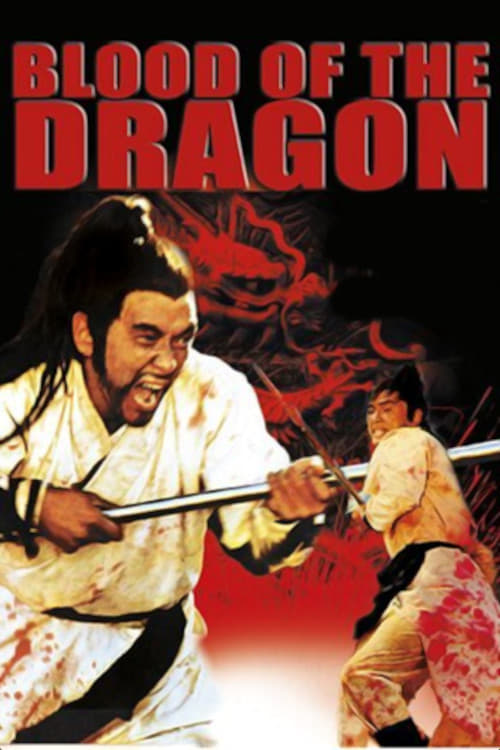
Blood of the Dragon
1971
No user ratings available yet
Diversity score: 4.4 out of 10
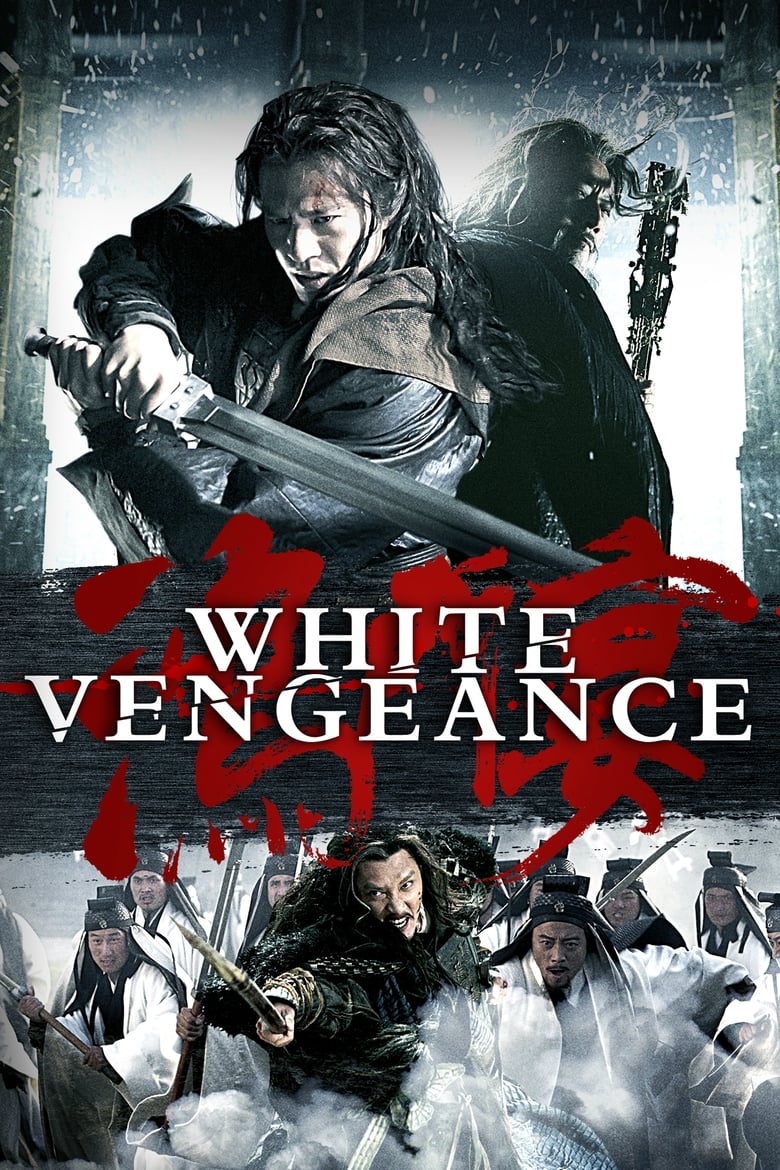
2011
Not RatedDirector
Daniel Lee
Runtime
135 minutes
Average Rating
No ratings yetSynopsis
White Vengeance tells the story of two brothers contending for supremacy during the fall of the Qin Dynasty, which ruled Imperial China from 221 to 206 BC. As rebels rose, the nation fell into chaos. Liu Bang and Xiang Yu, became leaders of the rebellious army, and also became sworn brothers in battle.Xiang Yu and Liu Bang are close friends who both serve King Huai of Chu. King Huai uses a plot, saying that whoever can subvert the Qin kingdom in Guanzhong would be the Lord Qin, in order to benefit from the competition between Xiang Yu and Liu Bang. Xiang Yu is over-confident. He fights against the main force of Qin army, and entrusts Liu Bang with Yu Ji, the woman he loves.Liu Bang expresses his love to Yu Ji and takes the chance to invade Guanzhong first when most of Qin army is outside fighting against Xiang Yu’s army.
Overall Score
Limited
Category Breakdown
LGBTQ+ Representation
The film focuses exclusively on heteronormative romance and traditional masculine bonds. There are no queer narratives or non-cisnormative identities present in the plot.
Gender Representation
The narrative prioritizes male-driven political and military agency. While Yu Ji is central to the emotional stakes, her agency is defined by her relationships to the male protagonists.
Racial & Ethnic Diversity
The cast is predominantly Han Chinese, reflecting the historical Qin Dynasty setting. It explores regional tensions rather than offering a globalized or intersectional cast.
Religious & Cultural Diversity
The film critiques centralized power by depicting the Qin Dynasty's collapse as a period of corruption. It portrays leadership as morally ambiguous and manipulative.
Disability Representation
No significant depictions of visible or invisible disabilities appear within the primary character arcs.
Strengths
Areas for Improvement
AI Analysis
White Vengeance operates as a traditional historical epic centered on the rivalry between Xiang Yu and Liu Bang. The film's strength lies in its deconstruction of imperial legitimacy, showing how political institutions can be sites of systemic failure and manipulation. However, the film adheres to conventional period-specific storytelling. It relies heavily on traditional gender hierarchies and lacks representation of diverse identity markers or non-cisnormative characters. Ultimately, the narrative favors the grand scale of dynastic shifts and masculine power dynamics over demographic breadth, resulting in a conventional approach to representation.
1971
2010
2014
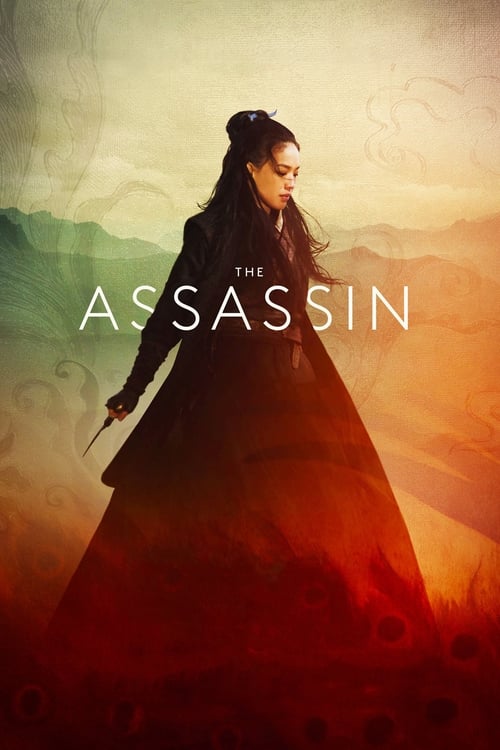
2015
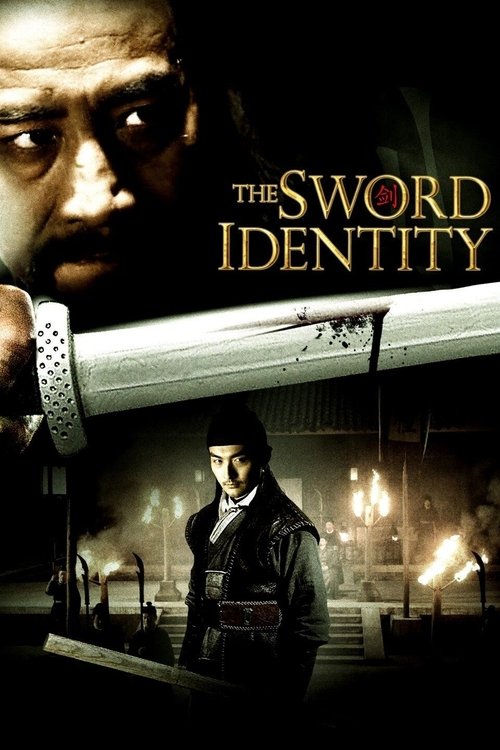
2012
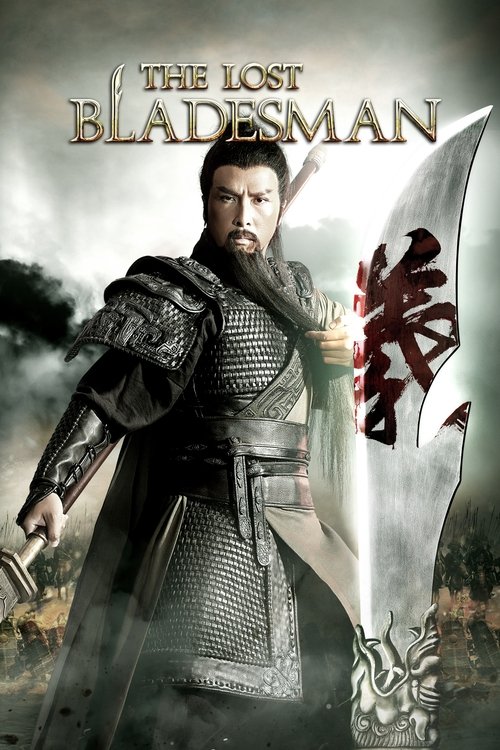
2011

1963
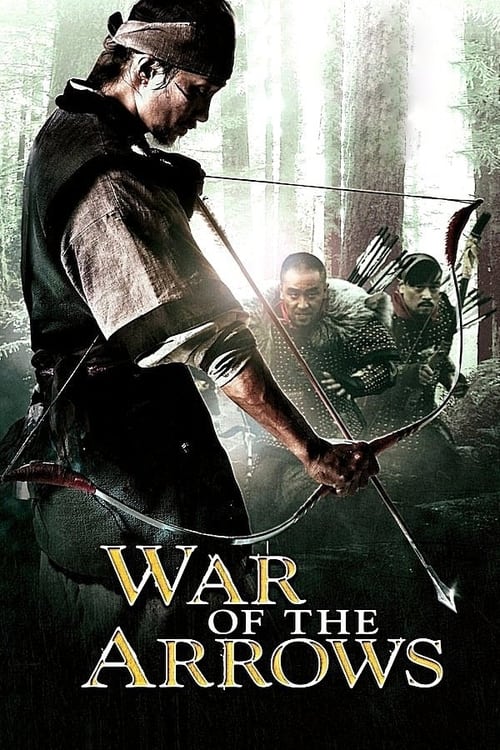
2011
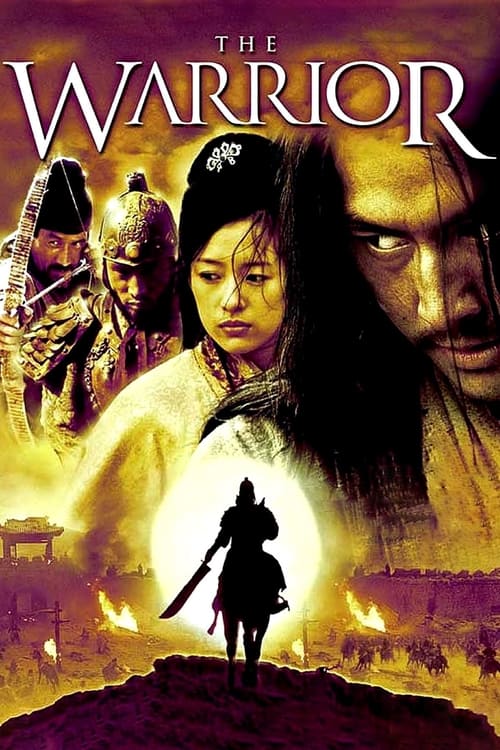
2001
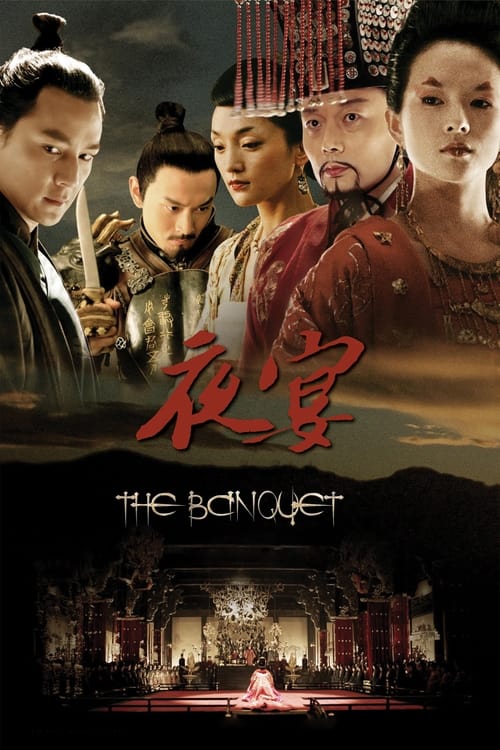
2006
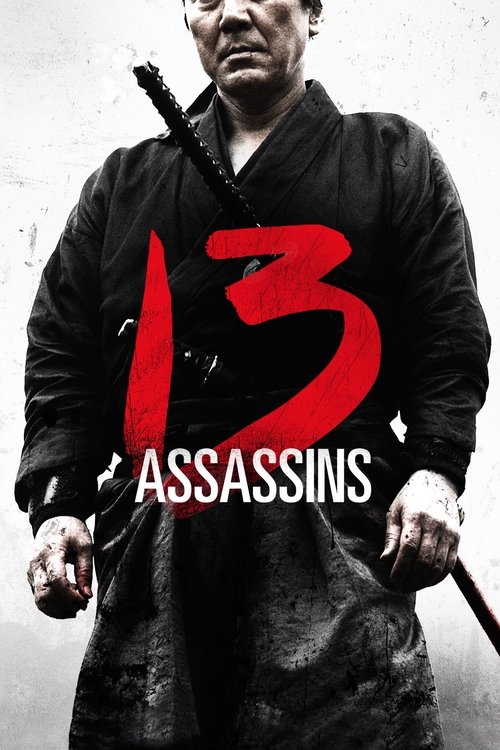
2010
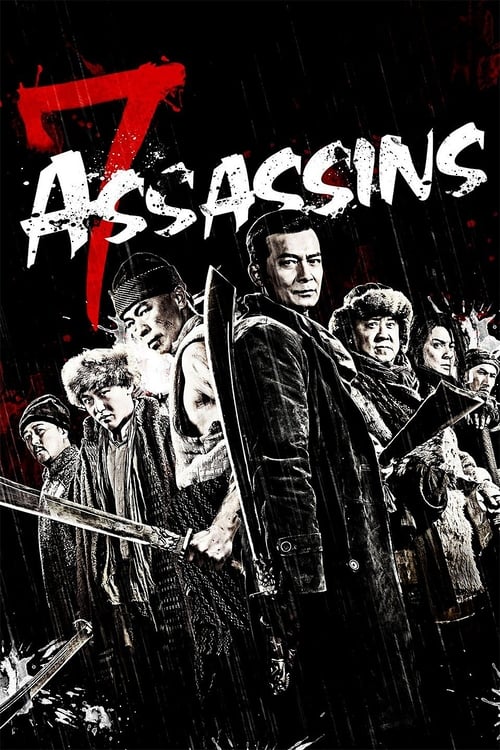
2013
No reviews yet. Be the first to share your thoughts on this movie!
Use the rating form above to leave a star rating and optional review.