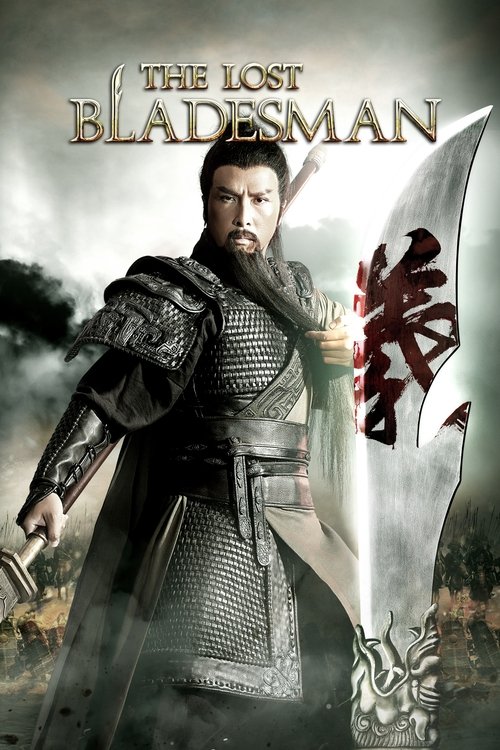
The Lost Bladesman
2011
No user ratings available yet
Representation score: 2.3 out of 10
Representation Score
Limited
2001
RDirector
Kim Sung-soo
Runtime
155 minutes
Average Rating
No ratings yetNew Showbiz Analysis
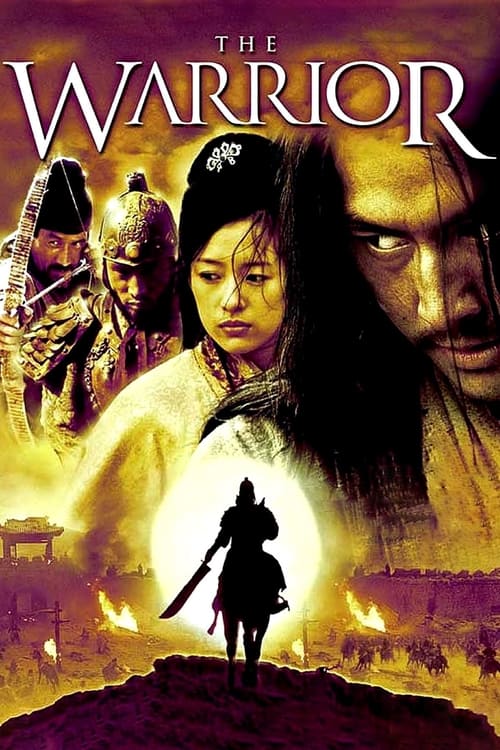
The Warrior is a traditional historical epic that emphasizes the social hierarchies of the 14th century. It focuses on the geopolitical tensions between the Goryeo Kingdom and transitioning Chinese dynasties through a lens of masculine-driven conflict. While the film provides a detailed look at political corruption and systemic instability, it does not seek to challenge conventional social norms. The narrative structure adheres to classical conflict clichés and traditional leadership roles. Ultimately, the film's portrayal of diversity is limited by its adherence to historical constraints, leading to a story centered around male-centric power struggles.
Category Breakdown
The film does not include any LGBTQ+ characters or narratives. Relationships and interpersonal dynamics are confined to traditional social roles and the survival needs of the diplomatic delegation.
The story emphasizes masculine aggression and physical dominance. Female characters have little influence, as the plot revolves around male-dominated spheres of warfare and diplomacy.
The cast primarily features actors representing 14th-century East Asia. The film explores tensions between Goryeo and Chinese dynasties without incorporating modern perspectives on diversity.
The film highlights the chaos of shifting dynastic power and the ethical dilemmas faced by characters. A silent slave character serves as a critique of class-based oppression and dehumanization.
The film does not focus on visible or invisible disabilities. Physical injuries are shown as a result of combat rather than as a means to explore chronic conditions.
Present on Screen
Limited or Absent
Official Synopsis
In 1375, China was in chaos between Yuan Dynasty and Ming Dynasty. Coryo (an ancient kingdom of Korea then) sent a delegation of many diplomats, soldiers and a silent slave to make peace with the new Chinese government. However, this delegation got charged as spies and sent in exile to a remote desert.
2011
2017

2011
2015
2011
2011
2017
2018
No reviews yet. Be the first to share your thoughts on this movie!
Use the rating form above to leave a star rating and optional review.